SPS-Bedeutung – Die Kerndefinition
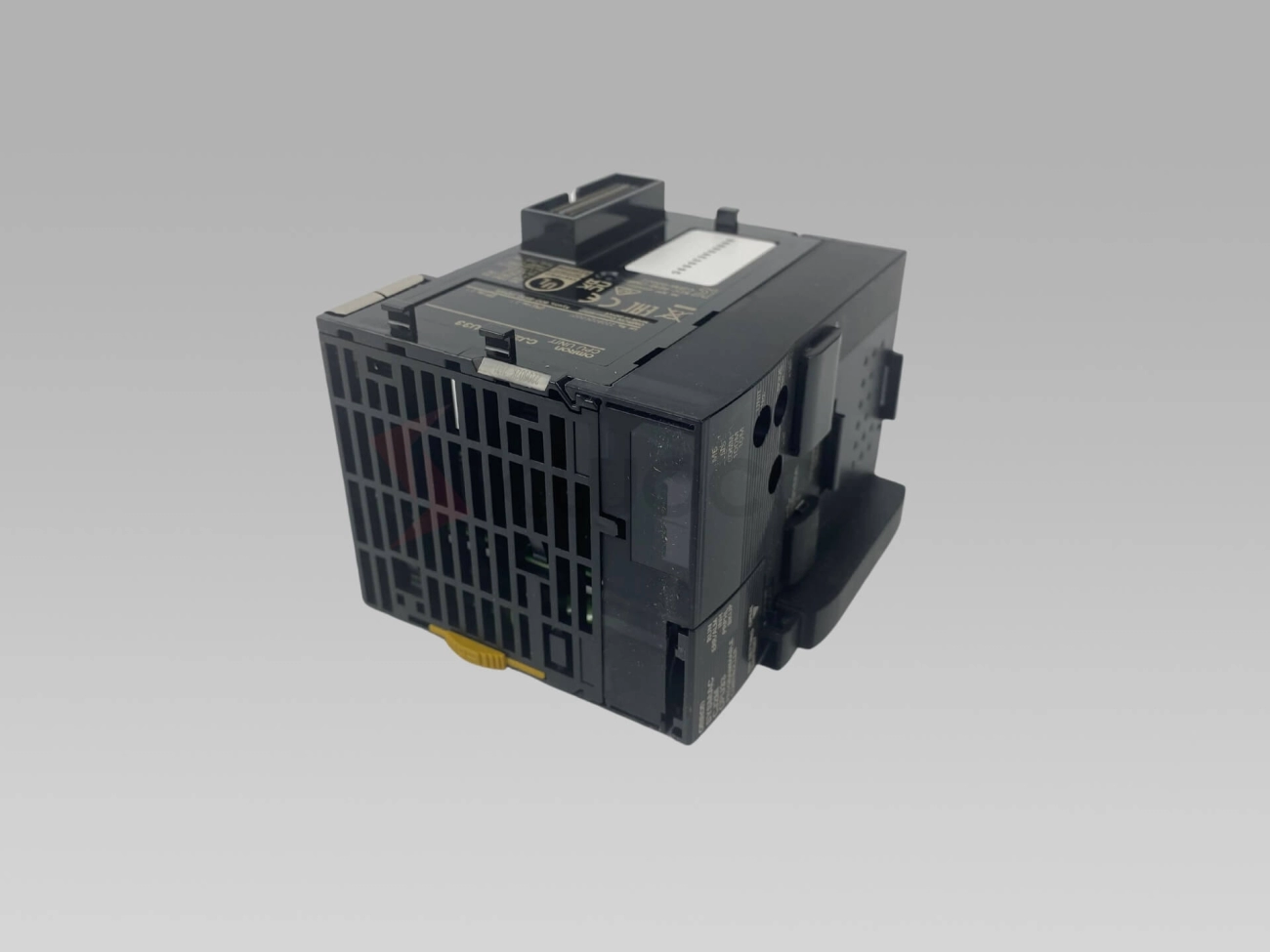
Wofür steht PLC?? SPS bedeutet Programmable Logic Controller (manchmal auch einfach als programmierbare Steuerung bezeichnet). Es handelt sich um einen robusten Digitalcomputer zur Steuerung von Maschinen und Prozessen in der industriellen Automatisierung.
Viele Leute verwechseln SPS mit normalen PCs, aber hier ist der entscheidende Unterschied:
| Aspekt |
SPS |
PC |
| Zweck |
Echtzeitsteuerung von Maschinen |
Allzweck-Computing |
| Design |
Industrietauglich, hart |
Privater oder geschäftlicher Gebrauch |
| Zuverlässigkeit |
Läuft 24/7 ohne Unterbrechung |
Nicht für raue Umgebungen gebaut |
| Eingabe/Ausgabe |
Direkte Schnittstelle zu Sensoren und Aktoren |
Keine direkte Hardwaresteuerung |
Ein kurzer Schnappschuss der Geschichte
Die SPS entstand aus a 1968 Projekt bei General Motors. Sie wollten ein flexibles, zuverlässige Alternative zur komplexen Relaislogik für Fahrzeugmontagelinien. Die erste kommerzielle SPS, das Modicon 084, ins Leben gerufen 1969, revolutionierte die Automatisierung.
Heute, SPS haben sich zu leistungsstarken IIoT-fähigen Steuerungen entwickelt, Nahtlose Verbindung zu Netzwerken, Unterstützung erweiterter Diagnostik, und Integration mit Cloud- und Edge-Computing. Damit sind sie weltweit das Rückgrat der modernen Industrieautomation.
Wie eine speicherprogrammierbare Steuerung tatsächlich funktioniert
Im Kern, eine speicherprogrammierbare Steuerung (SPS) besteht aus wenigen Schlüsselkomponenten, die nahtlos zusammenarbeiten, um Maschinen und Prozesse zu steuern:
- CPU (Zentraleinheit): Das Gehirn der SPS, Es verarbeitet Eingaben, führt das Steuerprogramm aus, und sendet Befehle an Ausgänge.
- Eingabe/Ausgabe (E/A) Module: Eingänge erfassen Signale von Sensoren oder Schaltern, während Ausgänge Geräte wie Motoren steuern, Ventile, oder Lichter. Diese können digital sein (ein/aus) oder analog (variable Signale).
- Stromversorgung: Versorgt das SPS-System mit der notwendigen elektrischen Energie.
- Kommunikationsanschlüsse: Erlauben Sie der SPS, sich mit anderen Geräten zu verbinden, Netzwerke, oder Programmiertools.
Die SPS folgt einem einfachen, sich wiederholender Vorgang, der als Scan-Zyklus bezeichnet wird, Dies umfasst drei Hauptschritte:
- Eingabescan: Die SPS liest Signale von allen Eingabegeräten, um den aktuellen Zustand des Systems zu verstehen.
- Programmausführung: Basierend auf den Eingabedaten und dem vom Benutzer geschriebenen Steuerungsprogramm, Die SPS entscheidet, welche Maßnahmen ergriffen werden sollen.
- Ausgabescan: Es sendet Signale an die Ausgabegeräte, um Aktoren zu steuern, Motoren, Lichter, oder andere Maschinen.
Dieser Zyklus wiederholt sich hunderte oder tausende Male pro Sekunde, um eine Echtzeitsteuerung zu gewährleisten.
Hier ist ein einfaches Diagramm zur Visualisierung des SPS-Abtastzyklus:
[Eingaben] → [CPU führt Programm aus] → [Ausgänge]
↑ ↓
└———— Kontinuierliche Schleife ———-┘
Das Verständnis dieses Zyklus ist der Schlüssel zum Verständnis, wie SPS eine reibungslose und zuverlässige Automatisierung in industriellen Umgebungen gewährleisten. Für fortschrittliche Maschinen oder Systeme, die Steuerungen in Industriequalität benötigen, Entdecken Sie Produkte wie die Siemens-Systembildschirm kann Ihnen Einblicke geben, wie moderne SPS Steuerungs- und Überwachungsfunktionen integrieren.
Schlüsselkomponenten einer modernen SPS
Eine moderne speicherprogrammierbare Steuerung (SPS) besteht aus mehreren wesentlichen Teilen, die zusammenarbeiten, um industrielle Prozesse effizient zu steuern.
- Prozessor (CPU): Dies ist das Gehirn der SPS. Es führt das Steuerprogramm aus, verarbeitet Daten, und verwaltet die Kommunikation mit anderen Geräten.
- Eingabe-/Ausgabemodule (E/A): Diese verarbeiten Signale, die in die SPS ein- und ausgehen. Eingabemodule empfangen Daten von Sensoren oder Schaltern (digital oder analog), während Ausgangsmodule Befehle an Aktoren senden, Motoren, oder Lichter. Darüber hinaus gibt es spezielle I/O-Module für spezielle Aufgaben wie Temperatur- oder Bewegungssteuerung.
- Stromversorgung: Das Netzteil wandelt Standardstrom in die Spannungspegel um, die die SPS-Komponenten für einen zuverlässigen Betrieb benötigen.
- Programmiergerät & Software: Zum Schreiben verwenden Sie eine spezielle Software auf einem PC oder Handheld-Gerät, hochladen, und ändern Sie die Steuerprogramme innerhalb der SPS. Beliebte Programmiertools unterstützen Kontaktplanlogik und andere IEC 61131-3 Sprachen.
- Kommunikationsmodule: Zur Verbindung mit anderen Systemen oder Netzwerken, Moderne SPS verfügen über Kommunikationsanschlüsse, die Protokolle wie EtherNet/IP unterstützen, PROFINET, Modbus TCP, und OPC UA. Dadurch können SPSen in das industrielle Internet der Dinge integriert werden (IIoT) Ökosysteme, Verbesserung des Datenaustauschs und der Fernverwaltung.
Für diejenigen, die auf der Suche nach erweiterten Kommunikationsmodulen oder E/A-Komponenten sind, Erkundung vertrauenswürdiger Lieferanten wie Delta-Automatisierungsprodukte kann zuverlässige Optionen bereitstellen, die für industrielle SPS-Setups geeignet sind.
Arten von SPS Verfügbar in 2025
In 2025, SPS gibt es in verschiedenen Ausführungen, um unterschiedlichen Automatisierungsanforderungen gerecht zu werden:
- Kompakte/feste SPS: Dies sind All-in-One-Geräte mit der CPU, Stromversorgung, und I/O-Module sind in einem Gehäuse untergebracht. Ideal für kleine bis mittelgroße Maschinen mit begrenztem Erweiterungsbedarf.
- Modulare/rackmontierte SPS: Hochflexibel und erweiterbar, Mit diesen SPSen können Sie Module für E/A hinzufügen oder austauschen, Kommunikation, und Spezialfunktionen. Bestens geeignet für komplexe oder wachsende Industrieanwendungen.
- Sicherheits-SPS: Entwickelt, um strenge Sicherheitsstandards zu erfüllen, Diese Controller übernehmen Notabschaltungen, Sicherheitsverriegelungen, und ausfallsicheren Betrieb. Sie finden sie in Branchen, in denen Arbeitsschutz und Gerätesicherheit oberste Priorität haben.
- PACs (Programmierbare Automatisierungscontroller): PACs kombinieren das Beste von SPS mit PC-ähnlicher Verarbeitungsleistung und erweiterten Kommunikationsfunktionen. Wählen Sie ein PAC, wenn Sie eine komplexere Steuerung benötigen, Hochgeschwindigkeits-Datenverarbeitung, und Integration mit IT-Systemen gegenüber herkömmlichen SPS-Funktionen.
- Nano-/Mikro-SPS: Klein und kostengünstig, Diese eignen sich perfekt für einfache Maschinen und kompakte automatisierte Prozesse, bei denen Platz und Budget knapp sind.
Jeder Typ hat seinen Platz, abhängig von Ihren Projektanforderungen, Egal, ob Sie eine einfache oder eine große Verpackungsmaschine automatisieren, vernetzte Fertigungslinie. Die Wahl des richtigen Typs trägt zum Kostenausgleich bei, Skalierbarkeit, und Leistung effektiv.
Wichtige SPS-Anwendungen & Branchen
Dank ihrer Zuverlässigkeit und Flexibilität spielen SPSen in vielen Branchen eine entscheidende Rolle. Hier finden Sie sie am häufigsten:
- Herstellung & Montagelinien: SPS steuern Roboterarme, Förderbänder, und automatisierte Maschinen – für eine reibungslose und effiziente Produktion.
- Prozessindustrien: In Öl & Gas, Wasseraufbereitung, und Essen & Getränkesektoren, SPS verwalten komplexe Prozesse wie das Mischen, Heizung, und Filtration mit Präzision.
- Gebäudeautomation & HVAC: Sie regulieren die Beleuchtung, Klimakontrollen, Sicherheitssysteme, und Energiemanagement in Gewerbe- und Wohngebäuden.
- Erneuerbare Energie: Wind- und Solarparks sind zur Überwachung der Turbinen auf SPS angewiesen, Sonnenkollektoren, und Wechselrichter – zur Maximierung der Energieausbeute und Systemsicherheit.
- Verpackung, Materialhandhabung & Robotik: Von der Sortierung über die Verpackung bis hin zu Roboteroperationen, SPS sorgen für eine Hochgeschwindigkeitskoordination mit minimalen Ausfallzeiten.
Für SPS in Industriequalität, die für diese Anwendungen geeignet sind, Vertrauenswürdige Marken wie Siemens bieten zuverlässige Module wie das Digitales Ausgangsmodul Siemens SIMATIC S7-1200, Entwickelt für die nahtlose Integration in anspruchsvolle Umgebungen.
Top-PLC-Marken in 2025 (Objektive Vergleichstabelle)
Hier ist ein kurzer Blick auf die führenden Marken für speicherprogrammierbare Steuerungen 2025, Hervorhebung ihrer Flaggschiffserie und ihrer wichtigsten Stärken:
| Marke |
Flaggschiffmodelle |
Stärken |
Notizen |
| Siemens |
S7-1200, S7-1500 |
Breite globale Unterstützung, robuste Software, umfangreiche industrielle Nutzung |
Ideal für komplexe Automatisierungsaufgaben und IIoT-Integration |
| Allen-Bradley / Rockwell Automation |
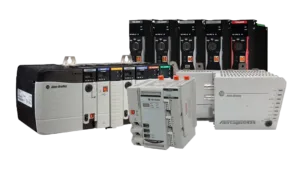
ControlLogix, CompactLogix |
Hohe Zuverlässigkeit, starke nordamerikanische Präsenz, ausgedehntes Ökosystem |
Bevorzugt im Automobilbereich & Fertigungssektoren |
| Schneider Electric |
Modicon M241, M580 |
Flexible modulare SPS, energieeffiziente Designs |
Bekannt für die reibungslose Integration mit Gebäudeautomationssystemen |
| Mitsubishi Electric |
iQ-R, iQ-F |
Schnelle Bearbeitung, Hervorragend geeignet für die diskrete Fertigung |
Starke Präsenz in Asien und globale Expansion |
| Omron |
NX/NJ-Serie |
Erweiterte Bewegungssteuerung, skalierbare Plattformen |
Ideal für Robotik und Verpackungslinien |
| DuoMi |
Preis-Leistungs-Führer |
Erschwinglich, zuverlässig, wachsende Präsenz im asiatisch-pazifischen Raum |
Aufstrebender Global Player mit budgetbewussten Optionen |
Für diejenigen, die sich für industrielle Motorsteuerung zusammen mit SPS interessieren, hochwertige Laufwerke wie die SEW Eurodrive bieten eine hervorragende Kompatibilität mit vielen SPS-Systemen.
Ob Ihr Schwerpunkt auf der Fertigung liegt, Prozesskontrolle, oder Gebäudeautomation, Die Wahl einer erstklassigen Marke, die auf Ihre Projektanforderungen zugeschnitten ist, trägt dazu bei, einen reibungslosen Ablauf zu gewährleisten, zuverlässigen Betrieb und machen Sie Ihr Automatisierungssetup zukunftssicher.
Vorteile der Verwendung von SPS im Vergleich zur herkömmlichen Relaissteuerung
SPS bieten gegenüber herkömmlichen Relaissteuerungssystemen mehrere entscheidende Vorteile, Damit sind sie die erste Wahl in der modernen Automatisierung.
- Zuverlässigkeit & Betriebszeit: SPS sind für raue Industrieumgebungen ausgelegt, Minimierung von Ausfallzeiten und Wartung. Im Gegensatz zu mechanischen Relais, die verschleißen, SPS verwenden Festkörperelektronik, die länger halten und zuverlässiger laufen.
- Flexibilität & Skalierbarkeit: Sie können ein SPS-System einfach ändern oder erweitern, indem Sie Software aktualisieren oder Module hinzufügen. Herkömmliche Relaisaufbauten erfordern eine Neuverkabelung und physische Änderungen, was zeitaufwändig und kostspielig ist.
- Reduzierte Verkabelung & Fehlerbehebungszeit: SPS reduzieren den Verkabelungsaufwand für die Steuerung komplexer Prozesse erheblich. Plus, Diagnosefunktionen lokalisieren Fehler schnell, Zeitersparnis bei der Fehlerbehebung.
- Diagnosemöglichkeiten: Moderne SPS verfügen über integrierte Diagnose- und Statusanzeigen, die Fehler frühzeitig erkennen und dabei helfen, unerwartete Ausfälle zu verhindern.
- Einfache Programmänderungen ohne Neuverkabelung: Änderungen an einem SPS-gesteuerten Prozess erfolgen durch einfache Aktualisierung des Programmcodes, Es ist keine physische Neuverkabelung erforderlich. Dies beschleunigt die Entwicklung und Anpassung an neue Anforderungen.
Diese Vorteile machen SPS intelligenter, effizientere Wahl für die industrielle Automatisierung im Vergleich zu relaisbasierten Steuerungssystemen.
Grundlagen der SPS-Programmierung (Für Anfänger)
Beim Einstieg in die SPS-Programmierung, Es ist hilfreich zu wissen, dass die Branche einem Standard namens IEC folgt 61131-3, die fünf Programmiersprachen für SPS definiert. Diese sind:
- Leiterdiagramm (LD) – Am gebräuchlichsten und anfängerfreundlichsten, Es sieht aus wie eine elektrische Relaislogik, mit Sprossen und Kontakten.
- Funktionsblockdiagramm (FBD) – Verwendet Blöcke zur Darstellung von Funktionen; gut für die Prozesskontrolle.
- Strukturierter Text (ST) – Ein hohes Niveau, textbasierte Sprache ähnlich Pascal, Ideal für komplexe Berechnungen.
- Anleitungsliste (IL) – Ähnlich der Assemblersprache, aber heute weniger genutzt.
- Sequentielles Funktionsdiagramm (SFC) – Hilft bei der Gestaltung schrittweiser Prozesse oder Sequenzen.
In 2025, Zu den am häufigsten verwendeten SPS-Programmiersoftware gehört das Siemens TIA Portal, Rockwell Automation Studio 5000, und Schneider Electric EcoStruxure Control Expert. Diese Umgebungen unterstützen mehrere IEC-Sprachen und bieten Simulation, Debuggen, und Fehlerbehebungstools.
Für einen schnellen Einstieg, Hier ist ein einfaches Beispiel für die Verwendung von Ladder Logic zur Steuerung einer Ampel:
- Das Programm wechselt durch Grün, Gelb, und rote Lichter.
- Jede “Sprosse” im Kontaktplan aktiviert ein Licht basierend auf Timern.
- Eingaben wie ein Fußgängertaster können das Timing beeinflussen.
Kontaktplanlogik ist eine visuell intuitive Möglichkeit, die SPS-Programmierung zu erlernen, da sie die reale Verdrahtungs- und Relaislogik nachahmt, die in herkömmlichen Schalttafeln verwendet wird. Dies erleichtert vielen Technikern und Ingenieuren den Übergang von Relaislogik zu SPS-Steuerungen.
(Wenn Sie an Hardware interessiert sind, die Sie mit Ihren SPS-Programmierbemühungen kombinieren können, Erwägen Sie zuverlässige Komponenten wie die modularen Steuerungen von Siemens oder kompatible Ein-/Ausgabegeräte, die für die USA erhältlich sind. Anwendungen.)
So wählen Sie die richtige SPS für Ihr Projekt aus 2025
Die Auswahl der richtigen SPS bedeutet, dass sie genau auf die Anforderungen Ihres Projekts zugeschnitten ist. Hier ist eine kurze Checkliste, die Ihnen bei der Entscheidung helfen soll:
| Auswahlfaktor |
Was Sie beachten sollten |
Warum es wichtig ist |
| E/A-Anzahl |
Anzahl der digitalen und analogen Ein-/Ausgänge |
Vermeiden Sie darunter- oder zu hohe Kapazitätsausgaben |
| Scanzeit |
Wie schnell verarbeitet die SPS Daten? |
Entscheidend für schnelle oder Echtzeitvorgänge |
| Umfeld |
Temperatur, Luftfeuchtigkeit, Staub, Vibration |
Sorgt für Haltbarkeit und lange Lebensdauer |
| Kommunikation |
Protokolle erforderlich (EtherNet/IP, PROFINET, Modbus TCP) |
Muss sich reibungslos in Ihr Netzwerk integrieren |
| Budget |
Gesamtkosten inklusive Hardware, Software, Unterstützung |
Balance zwischen Funktionen und finanziellen Zwängen |
Wählen Sie zwischen Budget- und Premium-Marken
- Budgetfreundliche Optionen wie DuoMi sind perfekt, wenn:
- Ihr Projekt hat moderate E/A-Anforderungen.
- Sie wollen solide Zuverlässigkeit ohne Premiumpreis.
- Sie haben ein knappes Budget, benötigen aber moderne Funktionen.
- Sie benötigen eine gute Unterstützung im asiatisch-pazifischen Raum mit wachsender globaler Präsenz.
- Premium-Western-Marken (Siemens, Allen-Bradley, Schneider Electric) leuchten wann:
- Hohe Leistung und erweiterte Funktionen sind von entscheidender Bedeutung.
- Ihre Anwendung findet in rauen oder sicherheitskritischen Umgebungen statt.
- Sie benötigen umfassende globale Unterstützung, Zertifizierungen, und Integrationsmöglichkeiten.
Zum Beispiel, wenn Sie einen zuverlässigen und kostengünstigen Mittelklasse-Controller suchen, Vielleicht schauen Sie sich das mal an Siemens S7-1200 SPS-Lieferant oder betrachten Sie das schnell wachsende Sortiment von DuoMi.
Wenn Sie im Vorfeld die richtige Wahl treffen, ersparen Sie sich später Kopfschmerzen – wägen Sie Ihre Bedürfnisse daher sorgfältig ab!
Zukunft der SPS-Technologie (2025–Trends 2030)
Die nächste Welle speicherprogrammierbarer Steuerungen (SPS) Die Technologie bereitet sich darauf vor, die industrielle Automatisierung wie nie zuvor zu verändern. Hier sind die wichtigsten Trends, die SPS prägen 2025 durch 2030:
- Edge-Computing & TSN (Zeitkritisches Networking): Moderne SPS verlagern die Verarbeitung näher an die Datenquelle, Reduzierung der Latenz und Verbesserung der Echtzeitsteuerung. TSN-Standards sorgen für höchste Zuverlässigkeit, deterministische Netzwerkkommunikation, Entscheidend für Industrieumgebungen, in denen jede Millisekunde zählt.
- Integrierte Cybersicherheit (IEC 62443): Cyber-Bedrohungen sind ein großes Problem in der Automatisierung. SPS verfügen jetzt über integrierte Sicherheitsfunktionen, die der IEC entsprechen 62443 Standards, Bietet starken Schutz für industrielle Netzwerke und minimiert das Risiko von Sicherheitsverletzungen, ohne die Leistung zu beeinträchtigen.
- Integration von KI und maschinellem Lernen: Intelligente SPS können Daten im laufenden Betrieb analysieren, Ermöglicht eine vorausschauende Wartung, adaptive Steuerung, und intelligentere Fehlererkennung. In SPS eingebettete Module für maschinelles Lernen helfen Geräten dabei, den Betrieb autonom zu optimieren, und läutet ein neues Maß an Effizienz ein.
- Mit der Cloud verbundene SPS und digitale Zwillinge: Die Konnektivität zu Cloud-Plattformen ermöglicht eine erweiterte Überwachung, Analytik, und Ferndiagnose. In Verbindung mit digitalen Zwillingen – virtuellen Nachbildungen physischer Anlagen – können Betreiber Simulationen durchführen, prüfen, und Prozesse optimieren, ohne die Produktion zu unterbrechen.
Zusammen, Diese Technologien machen 2025 und darüber hinaus eine entscheidende Ära für industrielle SPS, Zuverlässigkeit mit Smart verbinden, vernetzte Automatisierung. Für diejenigen, die die neuesten SPS-Fortschritte entdecken, Anbieter wie DuoMi wettbewerbsfähige Lösungen anbieten die viele dieser hochmodernen Trends aufgreifen und gleichzeitig reale industrielle Anforderungen unterstützen.


 von
von