Signification de l'API – La définition de base
Que signifie PLC? PLC signifie contrôleur logique programmable (parfois simplement appelé contrôleur programmable). Il s'agit d'un ordinateur numérique robuste conçu pour contrôler les machines et les processus dans l'automatisation industrielle..
Beaucoup de gens confondent les automates avec les PC classiques, mais voici la principale différence:
| Aspect |
API |
PC |
| But |
Contrôle des machines en temps réel |
Informatique à usage général |
| Conception |
Qualité industrielle, difficile |
Utilisation grand public ou professionnelle |
| Fiabilité |
Fonctionne 24/7 sans interruption |
Non conçu pour les environnements difficiles |
| Entrée/Sortie |
S'interface directement avec les capteurs et les actionneurs |
Pas de contrôle matériel direct |
Un aperçu rapide de l'historique
Le PLC est né d'un 1968 projet chez General Motors. Ils voulaient une solution flexible, alternative fiable à la logique de relais complexe pour les chaînes d'assemblage de véhicules. Le premier automate commercial, le Modicon 084, lancé dans 1969, l'automatisation révolutionnée.
Aujourd'hui, Les automates ont évolué pour devenir de puissants contrôleurs prêts pour l'IIoT, connexion transparente aux réseaux, prise en charge des diagnostics avancés, et intégration avec le cloud et l'informatique de pointe. Cela en fait l’épine dorsale de l’automatisation industrielle moderne dans le monde entier..
Comment fonctionne réellement un automate programmable
À la base, un automate programmable (API) est construit avec quelques composants clés qui fonctionnent ensemble de manière transparente pour contrôler les machines et les processus:
- Processeur (Unité centrale de traitement): Le cerveau de l'automate, il traite les entrées, exécute le programme de contrôle, et envoie des commandes aux sorties.
- Entrée/Sortie (E/S) Modules: Les entrées collectent les signaux des capteurs ou des commutateurs, tandis que les sorties contrôlent les appareils comme les moteurs, vannes, ou des lumières. Ceux-ci peuvent être numériques (marche/arrêt) ou analogique (signaux variables).
- Alimentation: Fournit l’alimentation électrique nécessaire au système PLC.
- Ports de communication: Autoriser l'automate à se connecter à d'autres appareils, réseaux, ou des outils de programmation.
L'automate suit un simple, processus répétitif appelé cycle de balayage, qui comporte trois étapes principales:
- Balayage d'entrée: L'API lit les signaux de tous les périphériques d'entrée pour comprendre l'état actuel du système..
- Exécution du programme: Basé sur les données d'entrée et le programme de contrôle écrit par l'utilisateur, le PLC décide des actions à entreprendre.
- Analyse de sortie: Il envoie des signaux aux dispositifs de sortie pour contrôler les actionneurs, moteurs, lumières, ou d'autres machines.
Ce cycle se répète des centaines ou des milliers de fois chaque seconde pour assurer un contrôle en temps réel.
Voici un schéma simple pour visualiser le cycle de scrutation de l'automate:
[Entrées] → [Le processeur exécute le programme] → [Sorties]
↑ ↓
└———— Boucle continue ———-┘
Comprendre ce cycle est essentiel pour comprendre comment les automates maintiennent une automatisation fluide et fiable dans les environnements industriels.. Pour les machines ou systèmes avancés nécessitant des contrôleurs de qualité industrielle, explorer des produits comme le Écran du système Siemens peut vous donner un aperçu de la manière dont les automates modernes intègrent les fonctions de contrôle et de surveillance.
Composants clés d'un automate moderne
Un automate programmable moderne (API) est composé de plusieurs éléments essentiels qui fonctionnent ensemble pour contrôler efficacement les processus industriels.
- Processeur (Processeur): C'est le cerveau du PLC. Il exécute le programme de contrôle, traite les données, et gère la communication avec d'autres appareils.
- Modules d'entrée/sortie (E/S): Ceux-ci gèrent les signaux entrant et sortant de l'automate.. Les modules d'entrée reçoivent des données de capteurs ou de commutateurs (numérique ou analogique), tandis que les modules de sortie envoient des commandes aux actionneurs, moteurs, ou des lumières. Il existe également des modules d'E/S spéciaux pour des tâches spécifiques telles que le contrôle de la température ou du mouvement..
- Alimentation: L'alimentation convertit l'énergie électrique standard en niveaux de tension nécessaires aux composants de l'API pour fonctionner de manière fiable..
- Appareil de programmation & Logiciel: Vous utilisez un logiciel dédié sur un PC ou un appareil portable pour écrire, télécharger, et modifier les programmes de contrôle à l'intérieur de l'automate. Les outils de programmation populaires prennent en charge la logique à relais et d'autres CEI 61131-3 langues.
- Modules de communication: Pour se connecter à d’autres systèmes ou réseaux, les automates modernes incluent des ports de communication prenant en charge des protocoles comme EtherNet/IP, PROFINET, Modbus-TCP, et OPC UA. Cela permet aux automates de s'intégrer dans l'Internet industriel des objets (IIoT) écosystèmes, améliorer l'échange de données et la gestion à distance.
Pour ceux qui recherchent des modules de communication avancés ou des composants d'E/S, explorer des fournisseurs de confiance comme Produits d'automatisation Delta peut fournir des options fiables adaptées aux configurations d'API industriels.
Types d'automates disponibles dans 2025
Dans 2025, Les automates sont disponibles en plusieurs types pour répondre à différents besoins d'automatisation:
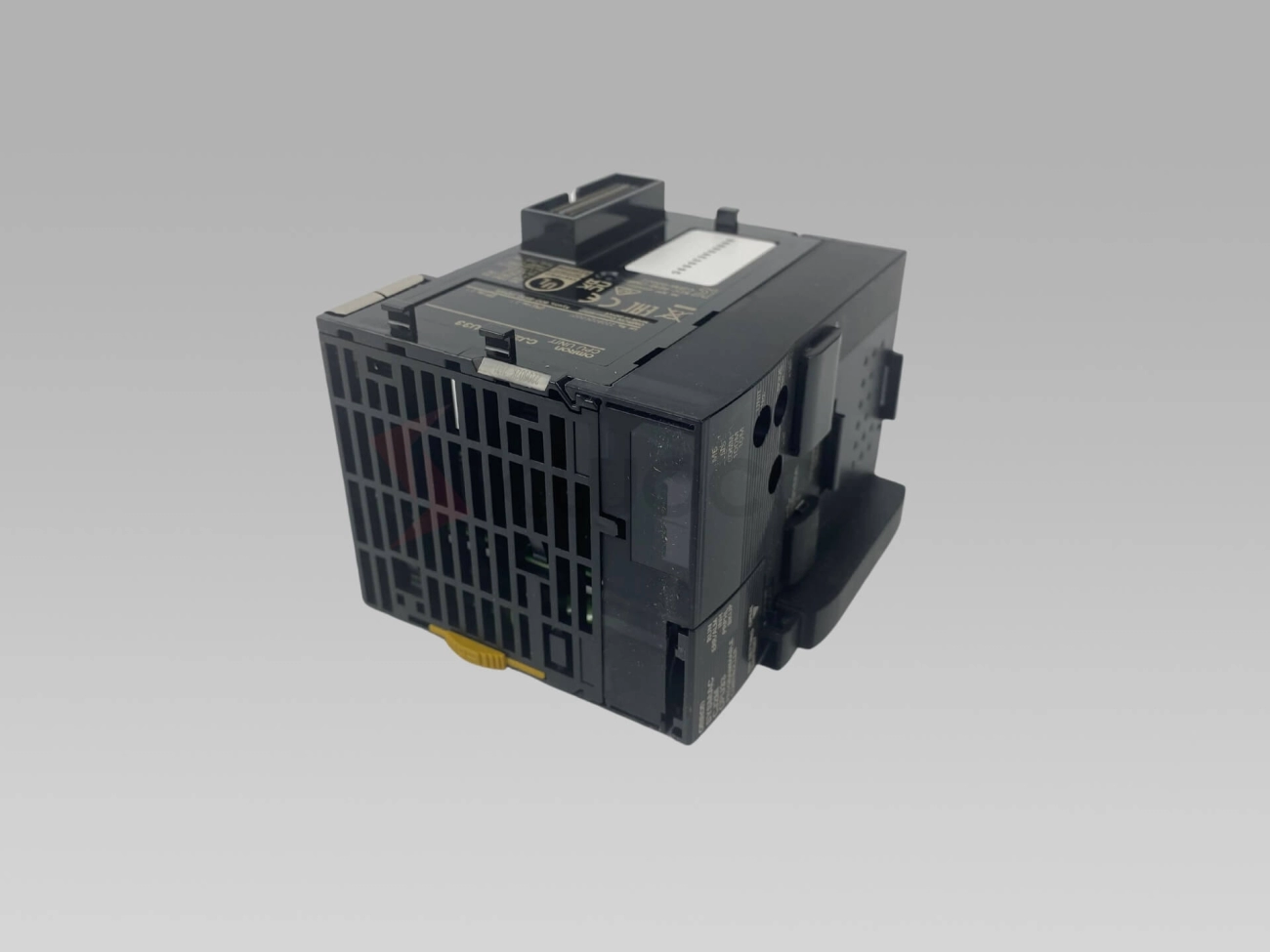
- Automates compacts/fixes: Ce sont des unités tout-en-un où le processeur, alimentation, et les modules d'E/S sont intégrés dans un seul boîtier. Idéal pour les machines de petite et moyenne taille ayant des besoins d'extension limités.
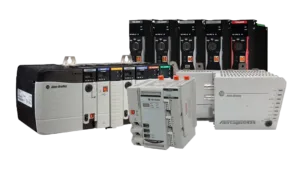
- Automates modulaires/montés en rack: Très flexible et extensible, ces automates vous permettent d'ajouter ou d'échanger des modules pour les E/S, communications, et fonctions spécialisées. Idéal pour les applications industrielles complexes ou en croissance.
- Automates de sécurité: Conçu pour répondre à des normes de sécurité strictes, ces contrôleurs gèrent les arrêts d'urgence, verrouillages de sécurité, et opérations de sécurité. Vous les trouverez dans des secteurs où la protection des travailleurs et la sécurité des équipements sont des priorités absolues..
- PAC (Contrôleurs d'automatisation programmables): Les PAC combinent le meilleur des automates avec une puissance de traitement comparable à celle d'un PC et des capacités de communication avancées.. Choisissez un PAC lorsque vous avez besoin d'un contrôle plus complexe, traitement des données à grande vitesse, et intégration avec les systèmes informatiques par rapport aux fonctions API traditionnelles.
- Automates Nano/Micro: Petit et économique, ils sont parfaits pour les machines simples et les processus automatisés compacts où l'espace et le budget sont serrés.
Chaque type a sa place en fonction des exigences de votre projet, que vous automatisiez une simple machine d'emballage ou une grande, ligne de fabrication interconnectée. Choisir le bon type permet d’équilibrer les coûts, évolutivité, et des performances efficaces.
Principales applications API & Secteurs
Les automates jouent un rôle crucial dans de nombreux secteurs grâce à leur fiabilité et leur flexibilité.. Voici où vous les trouverez le plus souvent:
- Fabrication & Lignes d'assemblage: Les automates contrôlent les bras robotiques, bandes transporteuses, et machines automatisées – garantissant une production fluide et efficace.
- Industries de transformation: Dans l'huile & gaz, traitement de l'eau, et de la nourriture & secteurs des boissons, Les automates gèrent des processus complexes comme le mixage, chauffage, et filtration avec précision.
- Automatisation des bâtiments & CVC: Ils régulent l'éclairage, contrôles climatiques, systèmes de sécurité, et gestion de l'énergie dans les bâtiments commerciaux et résidentiels.
- Énergie renouvelable: Les parcs éoliens et solaires s'appuient sur des automates pour surveiller les turbines, panneaux solaires, et onduleurs – aidant à maximiser la production d’énergie et la sécurité du système.
- Conditionnement, Manutention des matériaux & Robotique: Du tri au conditionnement en passant par les opérations robotisées, Les automates assurent une coordination à grande vitesse avec un temps d'arrêt minimal.
Pour les automates de qualité industrielle adaptés à ces applications, des marques de confiance comme Siemens proposent des modules fiables tels que le Module de sortie numérique Siemens SIMATIC S7-1200, conçu pour une intégration transparente dans des environnements exigeants.
Principales marques d'automates programmables à 2025 (Tableau de comparaison des objectifs)
Voici un aperçu rapide des principales marques d’automates programmables en 2025, mettant en avant leurs séries phares et leurs principaux atouts:
| Marque |
Modèles phares |
Points forts |
Remarques |
| Siemens |
S7-1200, S7-1500 |
Large soutien mondial, logiciel robuste, usage industriel étendu |
Idéal pour les tâches d'automatisation complexes et l'intégration IIoT |
| Allen Bradley / Rockwell Automatisation |
ContrôleLogix, CompactLogix |
Haute fiabilité, forte présence nord-américaine, un vaste écosystème |
Préféré dans l'automobile & secteurs manufacturiers |
| Schneider Électrique |
ModiconM241, M580 |
Automates modulaires flexibles, conceptions économes en énergie |
Connu pour son intégration fluide avec les systèmes d'automatisation des bâtiments |
| Mitsubishi Électrique |
iQ-R, iQ-F |
Traitement rapide, excellent pour la fabrication discrète |
Forte présence en Asie et expansion mondiale |
| Omron |
Série NX/NJ |
Contrôle de mouvement avancé, plateformes évolutives |
Idéal pour la robotique et les lignes d'emballage |
| DuoMi |
Leader en rapport coût-performance |
Abordable, fiable, présence croissante en Asie-Pacifique |
Acteur mondial émergent avec des options soucieuses de leur budget |
Pour ceux qui s'intéressent au contrôle des moteurs industriels avec les automates programmables, des disques de haute qualité comme le SEW Eurodrive offrent une excellente compatibilité avec de nombreux systèmes PLC.
Que vous vous concentriez sur la fabrication, contrôle de processus, ou domotique, choisir une marque de premier plan adaptée aux besoins de votre projet contribuera à garantir le bon déroulement, un fonctionnement fiable et pérennisez votre configuration d’automatisation.
Avantages de l'utilisation d'automates par rapport au contrôle de relais traditionnel
Les automates offrent plusieurs avantages clés par rapport aux systèmes de contrôle à relais traditionnels, ce qui en fait le choix préféré dans l’automatisation moderne.
- Fiabilité & Temps de disponibilité: Les automates sont conçus pour résister aux environnements industriels difficiles, minimiser les temps d’arrêt et la maintenance. Contrairement aux relais mécaniques qui s'usent, Les automates utilisent de l'électronique à semi-conducteurs, qui durent plus longtemps et fonctionnent de manière plus fiable.
- Flexibilité & Évolutivité: Vous pouvez facilement modifier ou étendre un système PLC en mettant à jour le logiciel ou en ajoutant des modules. Les configurations de relais traditionnelles nécessitent un recâblage et des modifications physiques, ce qui prend du temps et coûte cher.
- Câblage réduit & Temps de dépannage: Les automates réduisent considérablement la quantité de câblage nécessaire pour contrôler des processus complexes. Plus, les fonctionnalités de diagnostic identifient rapidement les défauts, gagner des heures en dépannage.
- Capacités de diagnostic: Les automates modernes sont dotés de diagnostics et d'indicateurs d'état intégrés qui détectent les erreurs à un stade précoce et aident à prévenir les pannes inattendues..
- Changements de programme faciles sans recâblage: Les modifications apportées à un processus contrôlé par API se produisent par simple mise à jour du code du programme, aucun recâblage physique nécessaire. Cela accélère le développement et l’adaptation aux nouvelles exigences.
Ces avantages font des automates un système plus intelligent, choix plus efficace pour l'automatisation industrielle par rapport aux systèmes de contrôle basés sur des relais.
Bases de la programmation API (Pour les débutants)
Lorsque vous débutez avec la programmation d'automates, il est utile de savoir que l'industrie suit une norme appelée CEI 61131-3, qui définit cinq langages de programmation pour les automates. Ce sont:
- Diagramme en échelle (LD) – Le plus courant et adapté aux débutants, cela ressemble à une logique de relais électrique, utiliser des lignes et des contacts.
- Schéma des blocs fonctionnels (FBD) – Utilise des blocs pour représenter des fonctions; bon pour le contrôle des processus.
- Texte structuré (ST) – Un haut niveau, langage textuel similaire à Pascal, idéal pour les calculs complexes.
- Liste d'instructions (IL) – Similaire au langage assembleur, mais moins utilisé aujourd'hui.
- Tableau des fonctions séquentielles (SFC) – Aide à concevoir des processus ou des séquences étape par étape.
Dans 2025, le logiciel de programmation d'automate le plus populaire couramment utilisé comprend Siemens TIA Portal, Studio d'automatisation Rockwell 5000, et expert en contrôle EcoStruxure de Schneider Electric. Ces environnements prennent en charge plusieurs langages CEI et offrent une simulation, débogage, et outils de dépannage.
Pour un démarrage rapide, voici un exemple simple utilisant Ladder Logic pour contrôler un feu de circulation:
- Le programme passe par le vert, jaune, et les feux rouges.
- Chaque “échelon” dans le schéma à contacts, active une lumière en fonction de minuteries.
- Des entrées comme un bouton piéton peuvent influencer le timing.
La logique à relais est un moyen visuellement intuitif d'apprendre la programmation d'automate car elle imite la véritable logique de câblage et de relais utilisée dans les panneaux de commande traditionnels.. Cela rend la transition de la logique de relais aux commandes PLC plus fluide pour de nombreux techniciens et ingénieurs..
(Si vous êtes intéressé par du matériel à associer à vos efforts de programmation d'automate, envisagez des composants fiables tels que les contrôleurs modulaires Siemens ou des dispositifs d'entrée/sortie compatibles disponibles aux États-Unis. candidatures.)
Comment choisir le bon automate pour votre projet 2025
Choisir le bon automate signifie répondre exactement aux besoins de votre projet. Voici une liste de contrôle rapide pour vous aider à décider:
| Facteur de sélection |
Ce qu'il faut considérer |
Pourquoi c'est important |
| Nombre d'E/S |
Nombre d'entrées/sorties numériques et analogiques |
Évitez sous- ou des dépenses excessives en capacité |
| Temps de numérisation |
À quelle vitesse l'automate traite les données |
Critique pour les opérations rapides ou en temps réel |
| Environnement |
Température, humidité, poussière, vibration |
Assure la durabilité et la longue durée de vie |
| Communication |
Protocoles nécessaires (EtherNet/IP, PROFINET, Modbus-TCP) |
Doit s'intégrer en douceur à votre réseau |
| Budget |
Coût total, matériel compris, logiciel, soutien |
Équilibrer les fonctionnalités avec les contraintes financières |
Choisir entre les marques économiques et premium
- Les options économiques comme DuoMi sont parfaites lorsque:
- Votre projet a des exigences d'E/S modérées.
- Vous voulez une fiabilité solide sans un prix élevé.
- Vous travaillez avec des budgets serrés mais avez besoin de fonctionnalités modernes.
- Vous avez besoin d’un bon accompagnement dans la région Asie-Pacifique avec une présence mondiale croissante.
- Marques occidentales haut de gamme (Siemens, Allen Bradley, Schneider Électrique) briller quand:
- Des performances élevées et des fonctionnalités avancées sont essentielles.
- Votre application se trouve dans des environnements difficiles ou critiques pour la sécurité.
- Vous avez besoin d’un support mondial étendu, attestations, et options d'intégration.
Par exemple, si vous voulez un contrôleur de milieu de gamme fiable et économique, vous pourriez consulter le Fournisseur d'automates Siemens S7-1200 ou considérez la gamme en croissance rapide de DuoMi.
Faire le bon choix dès le départ vous évite des maux de tête plus tard, alors évaluez soigneusement vos besoins!
L'avenir de la technologie PLC (2025–Tendances 2030)
La prochaine vague d'automates programmables (API) la technologie se prépare à transformer l’automatisation industrielle comme jamais auparavant. Voici les principales tendances qui façonnent les automates de 2025 à travers 2030:
- Informatique de pointe & TSN (Réseaux sensibles au temps): Les automates modernes rapprochent le traitement de la source des données, réduire la latence et améliorer le contrôle en temps réel. Les normes TSN garantissent une ultra-fiabilité, communication réseau déterministe, critique pour les environnements industriels où chaque milliseconde compte.
- Cybersécurité intégrée (CEI 62443): Les cybermenaces sont une préoccupation majeure dans l’automatisation. Les automates sont désormais dotés de fonctionnalités de sécurité intégrées conformes à la CEI 62443 normes, offrant une protection solide aux réseaux industriels et minimisant les risques de violations sans compromettre les performances.
- Intégration de l'IA et de l'apprentissage automatique: Les automates intelligents peuvent analyser les données à la volée, permettant une maintenance prédictive, contrôle adaptatif, et une détection des défauts plus intelligente. Les modules d'apprentissage automatique intégrés aux automates aident les équipements à optimiser les opérations de manière autonome, inaugurant un nouveau niveau d’efficacité.
- Automates connectés au cloud et jumeaux numériques: La connectivité aux plateformes cloud permet une surveillance avancée, analytique, et diagnostic à distance. Couplé aux jumeaux numériques (répliques virtuelles d'actifs physiques), les opérateurs peuvent simuler, test, et optimiser les processus sans interrompre la production.
Ensemble, ces technologies font 2025 et au-delà d’une ère charnière pour les automates industriels, allier fiabilité et intelligence, automatisation connectée. Pour ceux qui explorent les dernières avancées en matière d’API, des fournisseurs comme DuoMi proposer des solutions compétitives qui adoptent bon nombre de ces tendances de pointe tout en répondant aux besoins industriels réels.


 par
par