In today’s rapidly evolving industrial landscape, automation systems are at the heart of manufacturing and production. One of the key components driving automation is the encoder. Understanding how an encoder functions is essential for businesses looking to maintain efficiency and precision in their operations. Whether you’re sourcing automation parts locally or globally, the right encoder can make all the difference in the performance of your machinery.
What is an Encoder?
An encoder is a vital device in any automated system, converting mechanical movement into electrical signals that can be interpreted by control systems. Encoders play a crucial role in industrial automation, offering accuracy in motion control, positioning, and speed regulation.
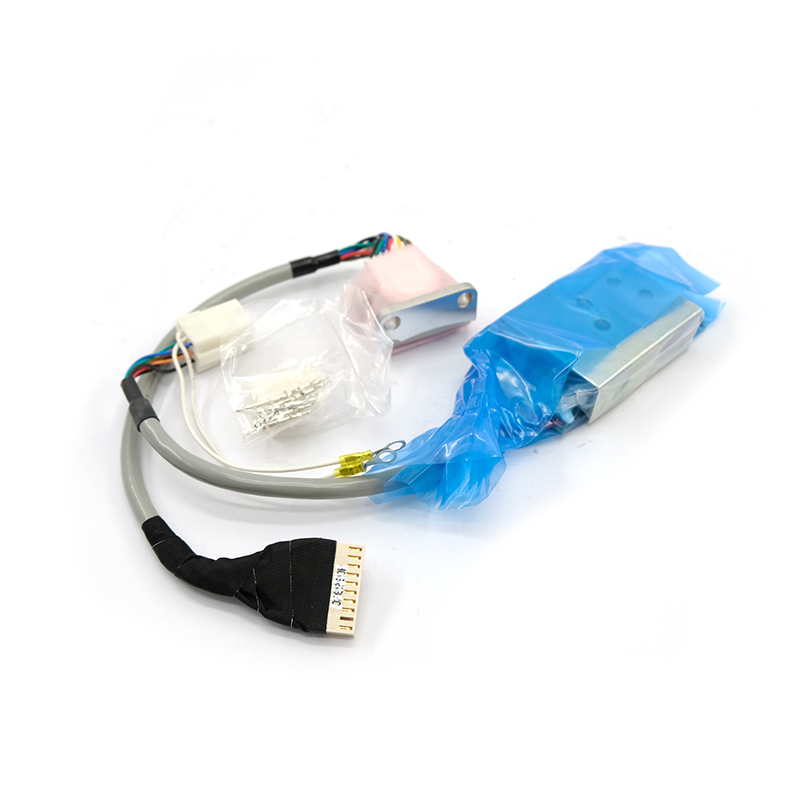
How an Encoder Functions in Industrial Systems
The primary function of an encoder is to translate the motion of a shaft into digital signals that are sent to a controller. By sending feedback to the control system, encoders enable precise movements and feedback in various automated processes. Understanding how an encoder works can help you pinpoint the ideal part needed for your system.
Types of Encoders and Their Applications
Encoders come in several types, including incremental and absolute encoders. How an encoder functions can vary based on these types:
Incremental Encoders: These measure changes in position, often used in applications like CNC machinery, robotics, and conveyor belts.
Absolute Encoders: These provide an exact position at all times, suitable for systems requiring high precision, such as in robotics and industrial automation.
Each type of encoder serves a specific purpose, and choosing the right one is crucial for optimizing your automation processes.
Why Understanding How an Encoder Works is Crucial
Accurate feedback is crucial in systems such as CNC machines, robotics, and conveyor systems. A malfunctioning encoder can cause downtime, reduced productivity, and costly repairs. Understanding how an encoder functions allows companies to avoid such issues and keep their operations running smoothly.
Benefits of High-Quality Encoders in Automation Systems
Encoders from renowned brands such as Siemens, FANUC, and Mitsubishi are designed to provide exceptional performance, reliability, and precision. These top-tier brands ensure that your systems are equipped with the best components for optimal performance.
How DUOMI CNC Can Help You Source the Best Encoders
At DUOMI CNC, we specialize in providing original and replacement parts for automated systems. Whether you’re looking for hard-to-find or discontinued encoder models, we can help. With our extensive selection of encoders from leading brands, we ensure your systems remain up-to-date and functional.
Conclusion:
Understanding how an encoder functions is integral to maintaining the precision and efficiency of your automated systems. Whether you’re working with Siemens, FANUC, or Mitsubishi, choosing the right encoder ensures smooth operation and prevents costly disruptions. At DUOMI CNC, we are your trusted partner in sourcing high-quality, reliable automation parts, including encoders from leading brands. Contact us today to find the perfect encoder for your needs.


 by
by