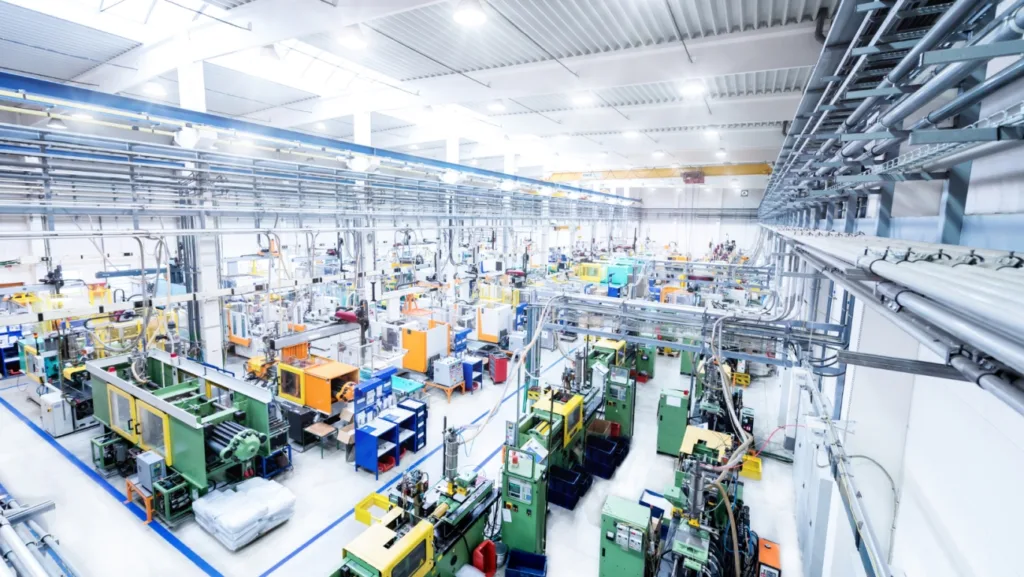
Significado de PLC: la definición principal ¿Qué significa PLC?? PLC significa controlador lógico programable (a veces simplemente llamado controlador programable). Es un resistente... Continuar leyendo

Archivos mensuales: Noviembre 2025
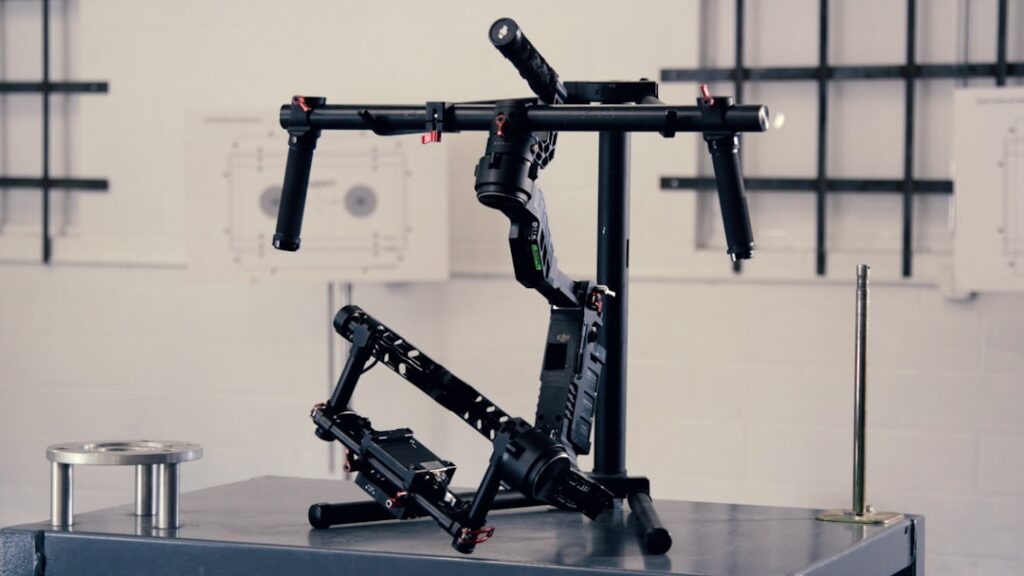
En el mundo acelerado de hoy, La robótica y la automatización están en el centro de los cambios transformadores que impulsan la eficiencia., innovación, y ventaja competitiva en una multitud de.... Continuar leyendo
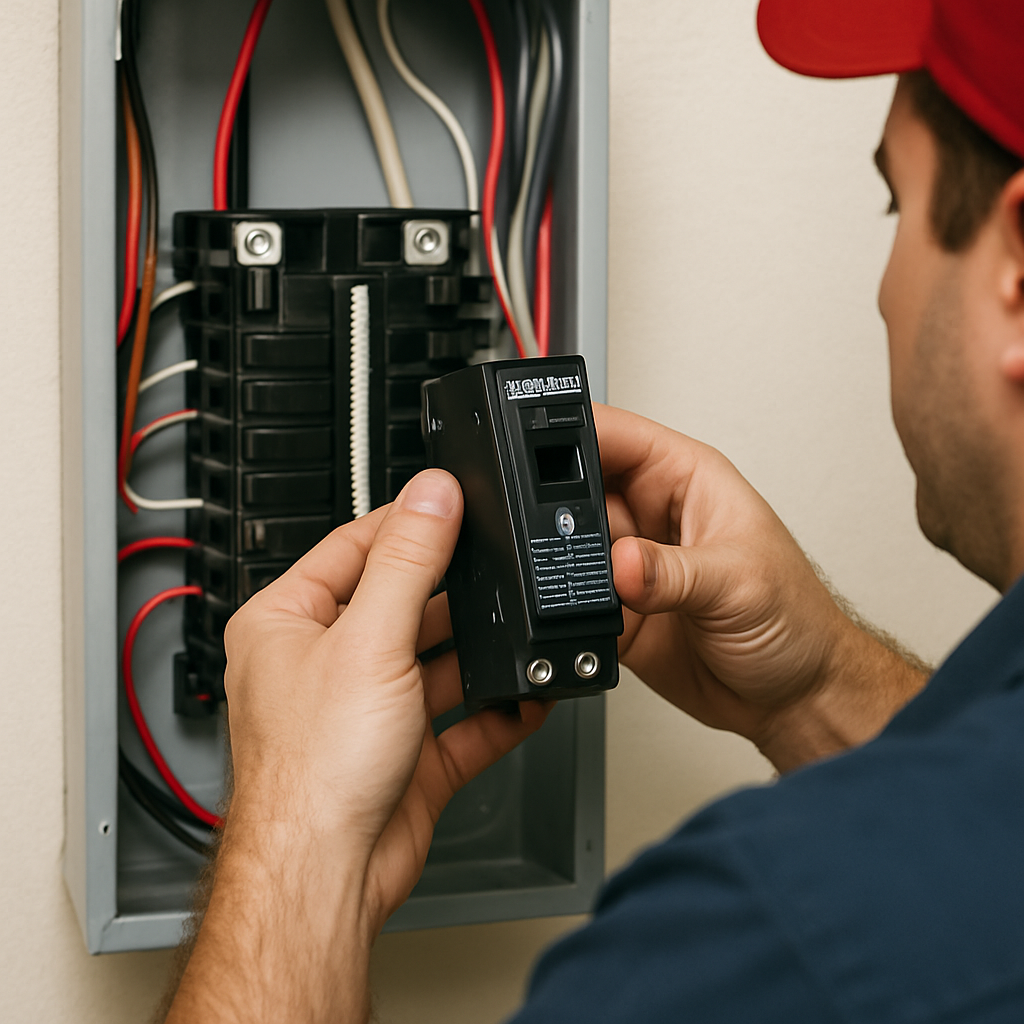
En el mundo de hoy, donde la electricidad alimenta casi todos los aspectos de la vida diaria, Garantizar la fiabilidad y seguridad de los sistemas eléctricos es crucial.. Los disyuntores Siemens son una opción bien considerada para quienes buscan soluciones confiables y eficientes para la protección de circuitos eléctricos.. Conocidos por su construcción robusta y tecnología avanzada., Los disyuntores Siemens se han convertido en un elemento básico tanto en entornos residenciales como comerciales.. Este artículo profundiza en las características y beneficios de los disyuntores Siemens., arrojando luz sobre por qué son un nombre confiable en la industria eléctrica y una opción preferida tanto para electricistas como para propietarios de viviendas.. Los disyuntores Siemens son dispositivos sofisticados diseñados para proteger los circuitos eléctricos de posibles daños causados por sobrecargas y cortocircuitos.. Estos disyuntores funcionan automáticamente.. Continuar leyendo
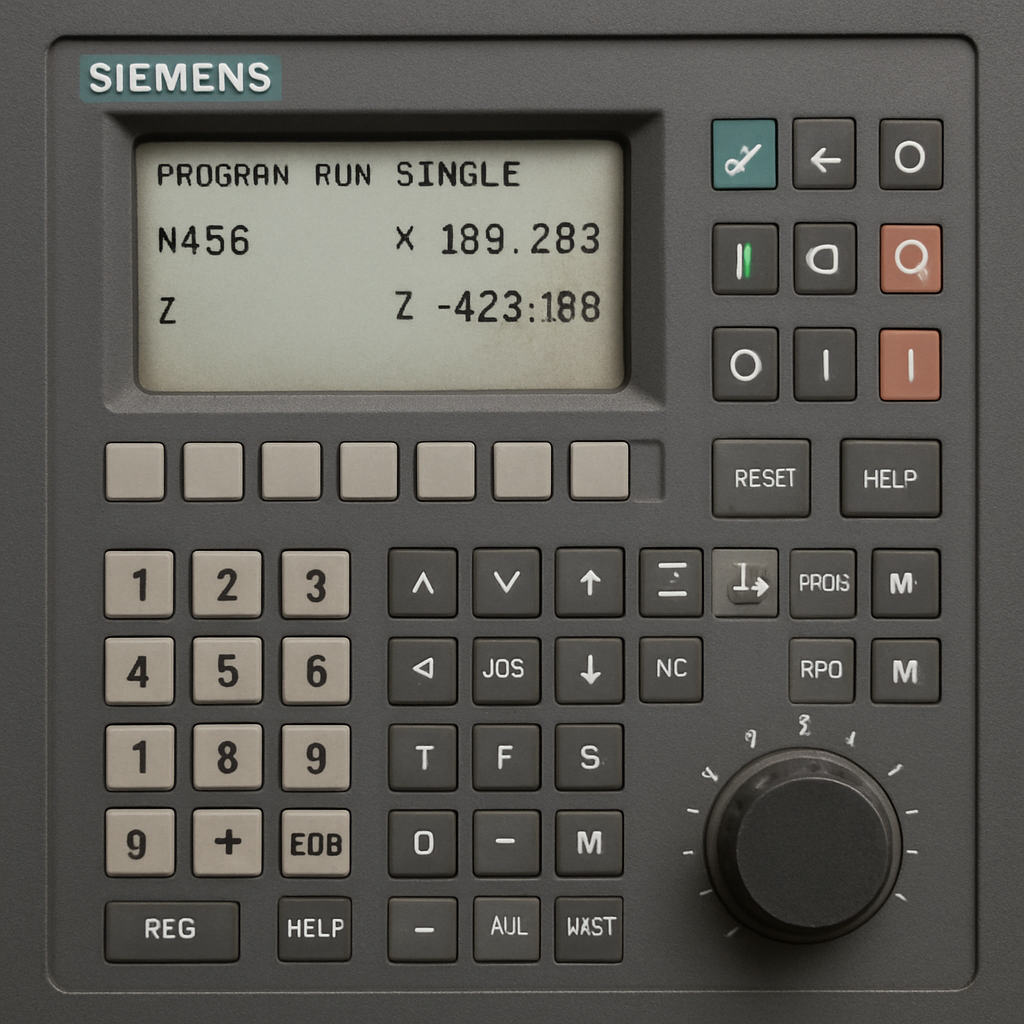
En el acelerado mundo manufacturero actual, La necesidad de eficiencia y precisión nunca ha sido más crítica.. Mientras las industrias se esfuerzan por satisfacer las crecientes demandas manteniendo al mismo tiempo altos estándares, Los sistemas de control CNC de Siemens se han convertido en la piedra angular para lograr estos objetivos.. Estos sistemas no son sólo herramientas; Son soluciones integrales que mejoran la productividad y la precisión en varios procesos de fabricación.. Si eres nuevo en la programación CNC o un profesional experimentado, Obtener una comprensión profunda de las características y beneficios del control CNC de Siemens puede afectar profundamente sus operaciones.. Este artículo profundiza en los aspectos multifacéticos del control CNC de Siemens., sus capacidades avanzadas de automatización, y cómo puede agilizar y optimizar sus procesos de fabricación. Los sistemas de control CNC de Siemens son sofisticados sistemas de control numérico por computadora diseñados para operar máquinas herramienta y gestionar procesos de fabricación con precisión y eficiencia.. Estos sistemas se han convertido en un componente integral de la fabricación moderna., ofreciendo un control incomparable sobre las tareas de mecanizado. siemens, un líder mundial en automatización y digitalización, ha diseñado sistemas de control CNC que son versátiles y fáciles de usar, convirtiéndolos en la opción preferida para una amplia gama de industrias, desde la automoción hasta la aeroespacial y más allá. La adaptabilidad de los sistemas CNC de Siemens les permite adaptarse perfectamente a diversos entornos de fabricación.. Están diseñados para satisfacer las necesidades tanto de pequeños talleres como de grandes instalaciones industriales., Proporcionar soluciones que se escalan según requisitos específicos.. Esta adaptabilidad garantiza que las empresas puedan mantener una ventaja competitiva en un mercado que cambia rápidamente., aprovechando Siemens’ compromiso con la innovación y la excelencia tecnológica. Características clave del control CNC de Siemens Los sistemas de control CNC de Siemens están equipados con un conjunto de funciones diseñadas específicamente para optimizar el proceso de fabricación.. A continuación se detallan algunas de las características clave que los distinguen.: Interfaz fácil de usar: La interfaz intuitiva de los sistemas CNC de Siemens simplifica la programación y el funcionamiento de la máquina., Reducir la curva de aprendizaje de los operadores.. Esta facilidad de uso permite a los operadores concentrarse en la eficiencia de la producción en lugar de verse atascados en complejas tareas de programación.. La interfaz optimizada es crucial para minimizar errores y garantizar un funcionamiento fluido en entornos de alta presión.. Capacidades de programación avanzadas: Los sistemas CNC de Siemens destacan en el manejo de operaciones de mecanizado complejas con facilidad. Soportan múltiples lenguajes de programación., ofreciendo flexibilidad y adaptabilidad en diversos entornos de fabricación. Esta capacidad permite a los fabricantes ejecutar diseños y modificaciones complejos rápidamente, mejorar su capacidad para innovar y satisfacer las necesidades específicas de los clientes. Alta precisión y exactitud: Reconocido por su precisión, Los sistemas de control CNC de Siemens garantizan que cada acción de mecanizado, ya sea de corte, perforación, o torneado: se ejecuta con la máxima precisión. Esta precisión es vital para mantener los estándares de calidad., reduciendo el desperdicio, y minimizando la necesidad de retrabajo, garantizando así que cada producto cumpla con estrictos criterios de calidad. Monitoreo en tiempo real: Una característica destacada del control CNC de Siemens es su capacidad de monitoreo en tiempo real.. Esto permite a los operadores seguir el progreso de las tareas de mecanizado., identificar problemas potenciales, y realizar ajustes en tiempo real para reducir el tiempo de inactividad y mejorar la productividad. La capacidad de monitorear los procesos a medida que ocurren proporciona una ventaja significativa para mantener la eficiencia y evitar demoras costosas.. Beneficios de utilizar el control CNC de Siemens La implementación del control CNC de Siemens en las operaciones de fabricación ofrece numerosos beneficios que se extienden más allá de la mera.... Continuar leyendo
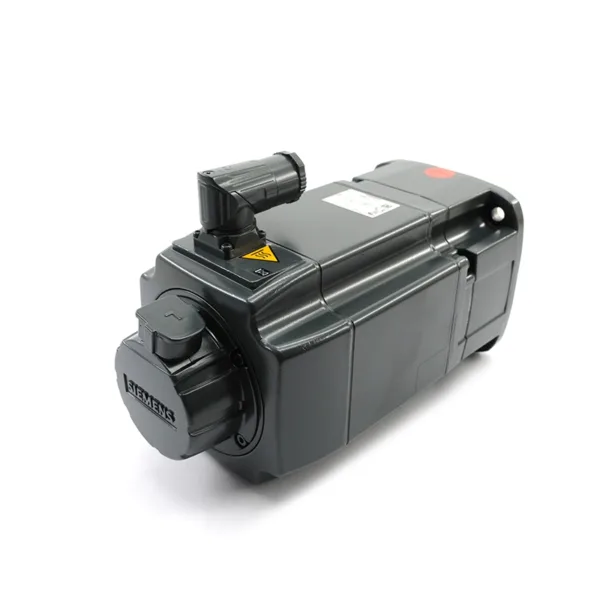
En el panorama industrial en rápida evolución actual, La automatización está a la vanguardia de la eficiencia en la conducción., productividad, e innovación. Las piezas de automatización del logotipo de Siemens desempeñan un papel crucial.. Continuar leyendo
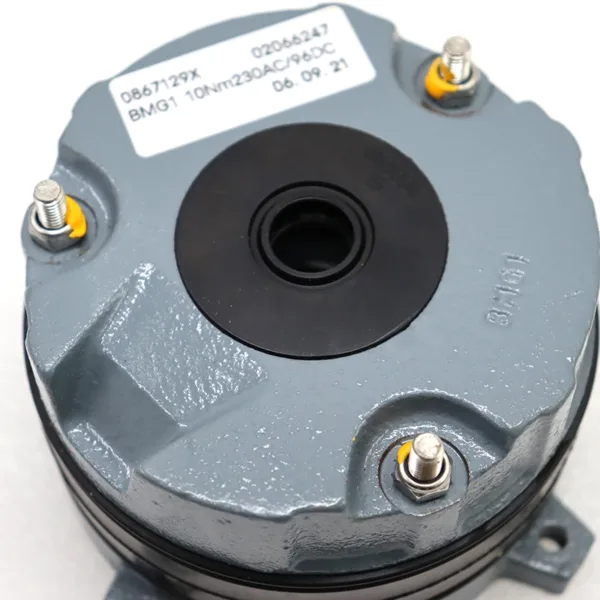
En DUOMI CNC, Nos especializamos en proporcionar piezas de equipos de automatización de alta calidad., incluyendo inversores Sew Eurodrive, a más 100 países en todo el mundo. Ya sea que lo necesites.... Continuar leyendo
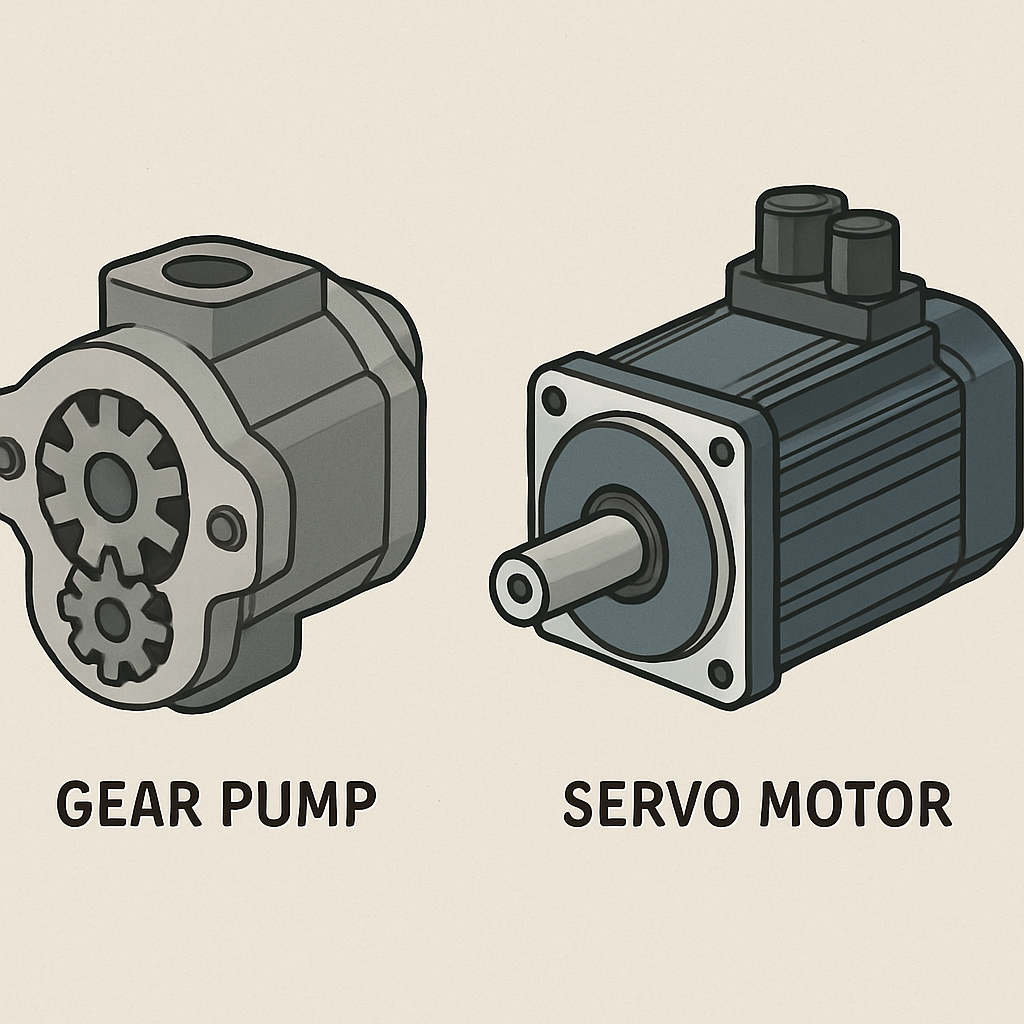
Quitar una bomba de engranajes de un servomotor puede parecer desalentador, pero con las herramientas y la orientación adecuadas, se convierte en una tarea manejable. Esta guía tiene como objetivo proporcionar una clara, Método paso a paso para desmontar una bomba de engranajes de un servomotor.. Si se enfrenta a un problema de atascamiento de la bomba de engranajes, o necesita realizar un mantenimiento de rutina, Esta guía le ayudará a solucionar problemas y a retirar de forma segura la bomba de engranajes.. Antes de sumergirse en el proceso de desmontaje, Es crucial comprender la relación entre las bombas de engranajes y los servomotores.. Una bomba de engranajes utiliza engranajes para bombear fluido por desplazamiento., y se utiliza comúnmente en sistemas hidráulicos.. Servomotores, por otro lado, Se utilizan para controlar con precisión la posición., velocidad, y aceleración de la bomba. Razones comunes para retirar la bomba de engranajes Hay varias razones por las que es posible que deba retirar una bomba de engranajes de un servomotor.: Mantenimiento o inspección de rutina. Reparación o sustitución por desgaste.. Solución de problemas y solución de un problema de atascamiento de la bomba de engranajes. Actualización a un sistema más eficiente. Comprender estos motivos puede ayudarle a determinar la urgencia y el enfoque necesarios para el desmontaje.. Herramientas esenciales y precauciones de seguridad antes de comenzar, reunir las herramientas necesarias: Llaves y destornilladores Llaves Allen Mazo de goma Lubricantes Guantes y gafas de protección La seguridad debe ser su principal prioridad. Asegúrese siempre de que el sistema esté apagado y despresurizado antes de comenzar.. Utilice equipo de protección adecuado para evitar lesiones.. Guía paso a paso para desmontar una bomba de engranajes 1. Preparación del sistema Arranque desconectando la fuente de alimentación al servomotor. Asegúrese de que el sistema hidráulico esté despresurizado para evitar cualquier liberación repentina de líquido.. Limpie el área alrededor de la bomba de engranajes para evitar que entren residuos en el sistema durante el desmontaje.. 2. Desconexión de las líneas hidráulicas Desconecte con cuidado las líneas hidráulicas conectadas a la bomba de engranajes.. Utilice un recipiente para recoger cualquier líquido residual que pueda filtrarse durante este proceso.. Etiquete las líneas si es necesario para garantizar un reensamblaje adecuado.. 3. Extracción de los pernos de montaje Utilice la llave adecuada para quitar los pernos que sujetan la bomba de engranajes al servomotor.. Es importante aflojar los pernos gradualmente en un patrón entrecruzado para evitar tensiones indebidas en los componentes.. 4. Desmontaje de la bomba de engranajes.. Continuar leyendo
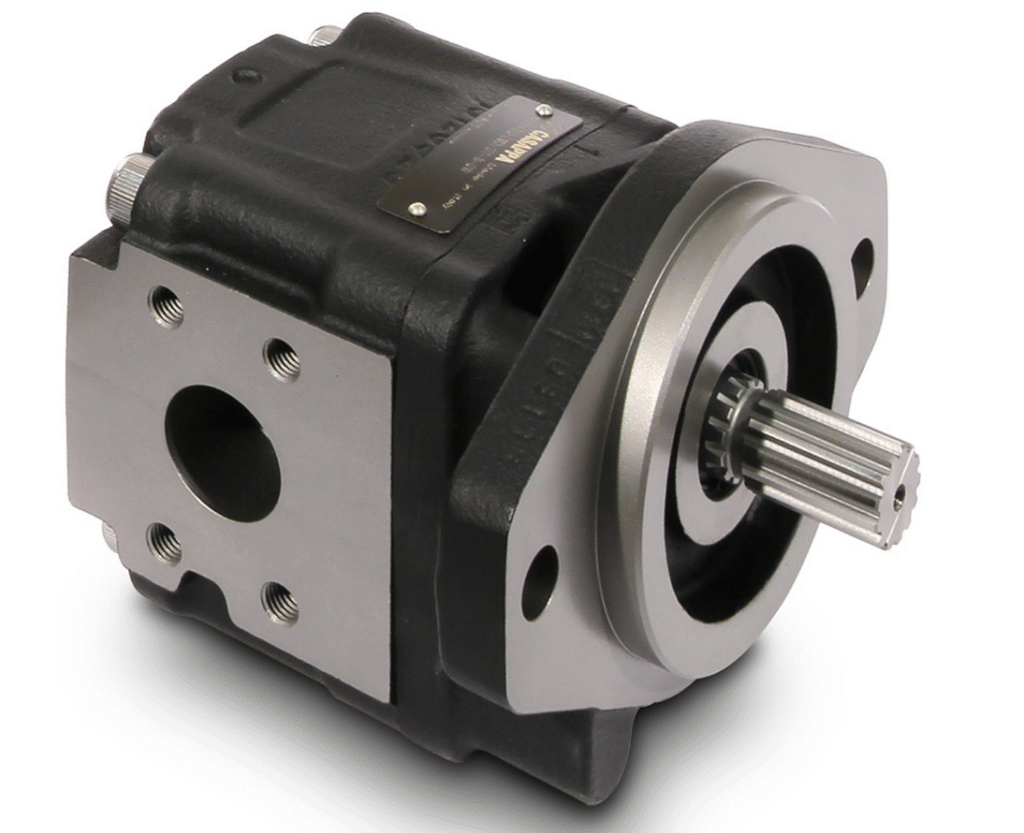
Herramientas y materiales que necesitará antes de comenzar a retirar la bomba de engranajes de su servomotor, Reúna estas herramientas y materiales esenciales.: herramientas manuales basicas:... Continuar leyendo
Comprender las causas de la fluctuación del voltaje del inversor La fluctuación del voltaje del inversor es un problema común en muchos hogares. Puede provocar daños en los aparatos eléctricos y causar molestias.. Comprender las causas de estas fluctuaciones es crucial tanto para los propietarios de viviendas como para los electricistas.. Las fluctuaciones de voltaje pueden deberse a varios factores.. Cableado deficiente, circuitos sobrecargados, y los inversores defectuosos son los culpables comunes. Las condiciones ambientales como la temperatura y la humedad también influyen.. El mantenimiento regular de los sistemas eléctricos puede ayudar a prevenir estos problemas.. Es esencial garantizar que los inversores tengan el tamaño adecuado para la carga.. Esto puede reducir significativamente el riesgo de fluctuaciones de voltaje.. En esta guía, Exploraremos las causas de la fluctuación del voltaje del inversor.. También proporcionaremos soluciones para mitigar estos problemas de manera efectiva.. ¿Qué es la fluctuación del voltaje del inversor?? La fluctuación de voltaje del inversor se refiere a los cambios irregulares en la salida de voltaje de un inversor.. Estas fluctuaciones pueden afectar el rendimiento de los dispositivos eléctricos conectados al inversor.. Comprender las causas de estas fluctuaciones es fundamental para encontrar soluciones.. Varios factores contribuyen a la fluctuación del voltaje del inversor., incluido: Dimensionamiento inadecuado del inversor Condiciones ambientales Circuitos sobrecargados Los inversores están diseñados para proporcionar una salida de voltaje constante, pero cuando fallan, puede provocar un suministro de voltaje inconsistente. Esta inconsistencia puede crear problemas como luces parpadeantes o rendimiento intermitente de los electrodomésticos.. El monitoreo de los niveles de voltaje ayuda a identificar cuándo ocurren las fluctuaciones.. Usando un multímetro, Puede medir el voltaje para asegurarse de que esté dentro de los límites normales.. El diagnóstico temprano de las fluctuaciones puede prevenir problemas más graves en el futuro. Causas comunes de fluctuación de voltaje en inversores Los inversores son cruciales para convertir energía CC en energía CA.. Sin embargo, Varios factores pueden provocar fluctuaciones de voltaje.. Identificar estas causas es esencial para solucionar problemas y garantizar la confiabilidad del sistema.. Una causa común de fluctuación de voltaje es un cableado deficiente.. Un cableado inadecuado o viejo puede dificultar el flujo de electricidad, lo que lleva a una salida de voltaje errática. Este problema a menudo se pasa por alto, pero puede tener impactos significativos en la estabilidad eléctrica.. Además, Los circuitos sobrecargados son otro culpable.. Cuando demasiados dispositivos consumen energía a la vez, el inversor puede tener dificultades para mantener una salida constante. Esto puede provocar picos o caídas de voltaje., afectando los dispositivos conectados. Algunas causas frecuentes de fluctuación de voltaje del inversor incluyen: Conexiones defectuosas o flojas Factores ambientales como la humedad Inversores de tamaño inadecuado Los factores ambientales también influyen. Las altas temperaturas y la humedad pueden afectar el rendimiento del inversor, causando inconsistencias de voltaje. Es importante considerar estas influencias externas al diagnosticar problemas de voltaje.. Recordar, Es posible que algunos inversores simplemente tengan un tamaño insuficiente para la demanda de energía.. Si el inversor no se adapta correctamente a la carga, puede provocar fluctuaciones. Actualizar a un inversor del tamaño adecuado puede mitigar este riesgo. ¿Puede el inversor causar fluctuaciones de voltaje??... Continuar leyendo
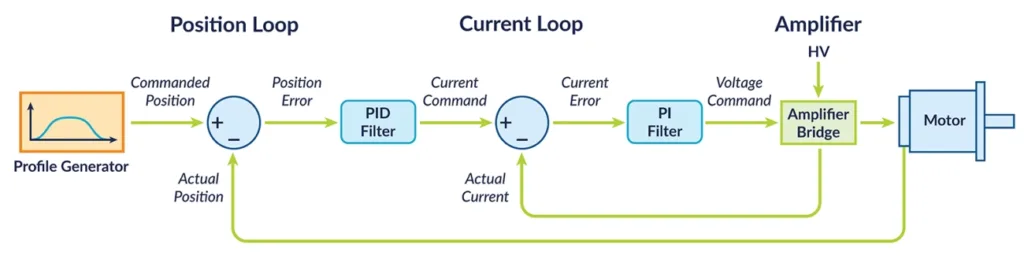
Si trabajas en automatización o robótica, Usted sabe que los controladores de servoaccionamiento son los héroes anónimos detrás de cada movimiento preciso del motor.. Pero ¿qué es exactamente?. Continuar leyendo
Mostrando 1–10 de 15 publicaciones