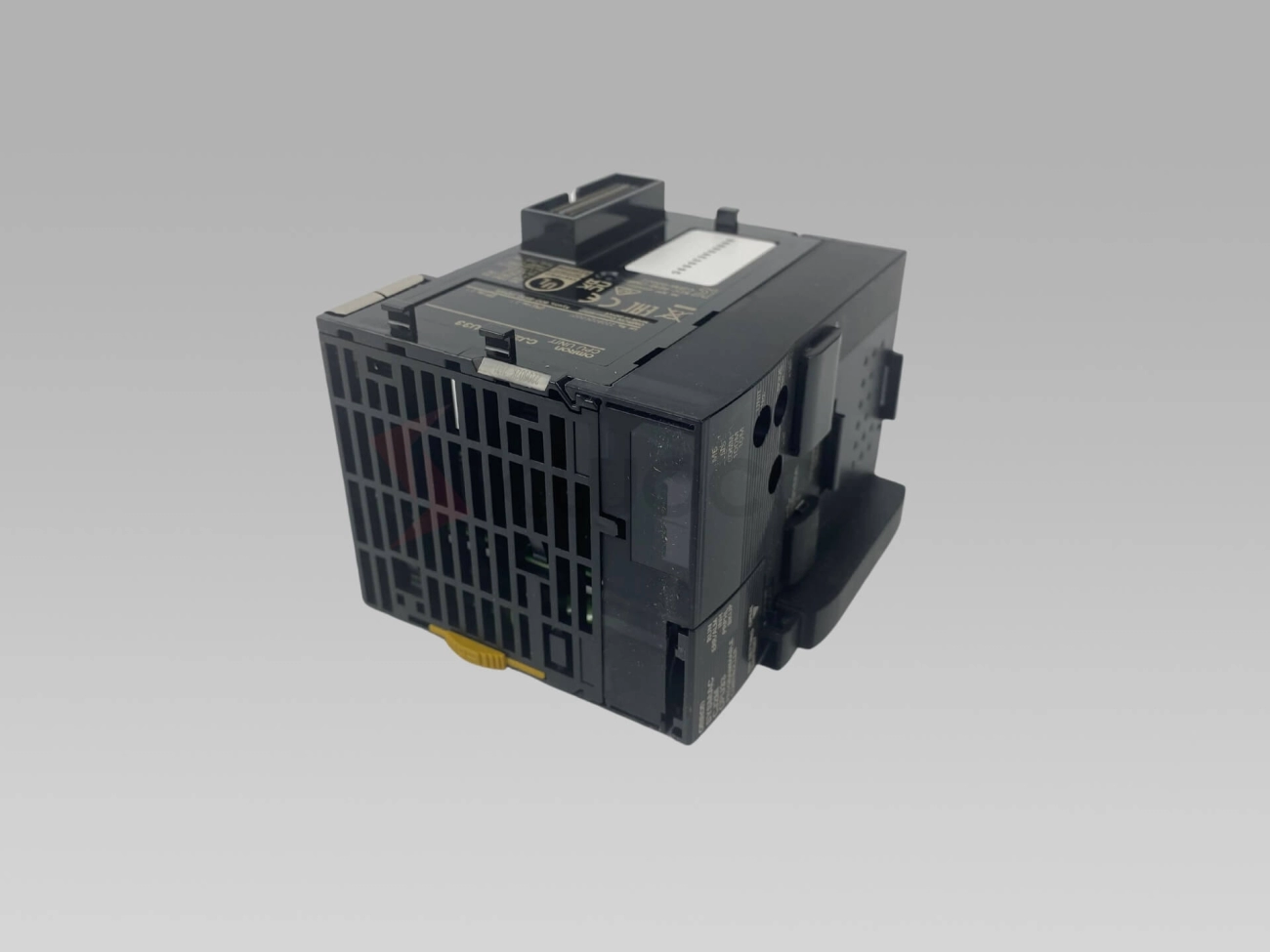
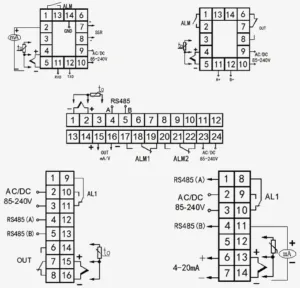
Les servomoteurs sont des composants essentiels dans les systèmes d'automatisation, alimentant tout, de la robotique aux machines CNC. Un entretien régulier est essentiel pour prolonger la durée de vie de ces moteurs et éviter des temps d'arrêt coûteux. Nous vous fournirons des informations exploitables conseils d'entretien des servomoteurs pour que vos équipements fonctionnent efficacement. En suivant ces conseils, vous pouvez vous assurer que votre servomoteur fonctionne à des performances optimales pendant de longues périodes, minimiser les perturbations et maintenir une productivité constante.
Pourquoi la maintenance des servomoteurs est cruciale
Les servomoteurs font partie intégrante du bon fonctionnement des machines industrielles, et négliger leur entretien peut entraîner des pannes inattendues. Un entretien régulier réduit non seulement le risque de réparations coûteuses, mais améliore également les performances, efficacité, et longévité. Un bon entretien du servomoteur peut aider à prévenir l’usure des composants critiques, garantir que le système fonctionne correctement et que votre processus de production reste ininterrompu.
1. Inspection et nettoyage réguliers
L'un des conseils d'entretien des servomoteurs les plus simples mais les plus efficaces consiste à effectuer des inspections régulières.. Au fil du temps, poussière, saleté, et des débris peuvent s'accumuler dans le moteur, entraînant une surchauffe ou une usure prématurée. Nettoyez soigneusement le moteur à l'air comprimé ou avec une brosse douce pour éliminer toute particule étrangère.. Concentrez-vous sur les bouches d’aération du moteur et les zones d’admission d’air pour éviter l’accumulation de poussière, ce qui peut réduire son efficacité de refroidissement.
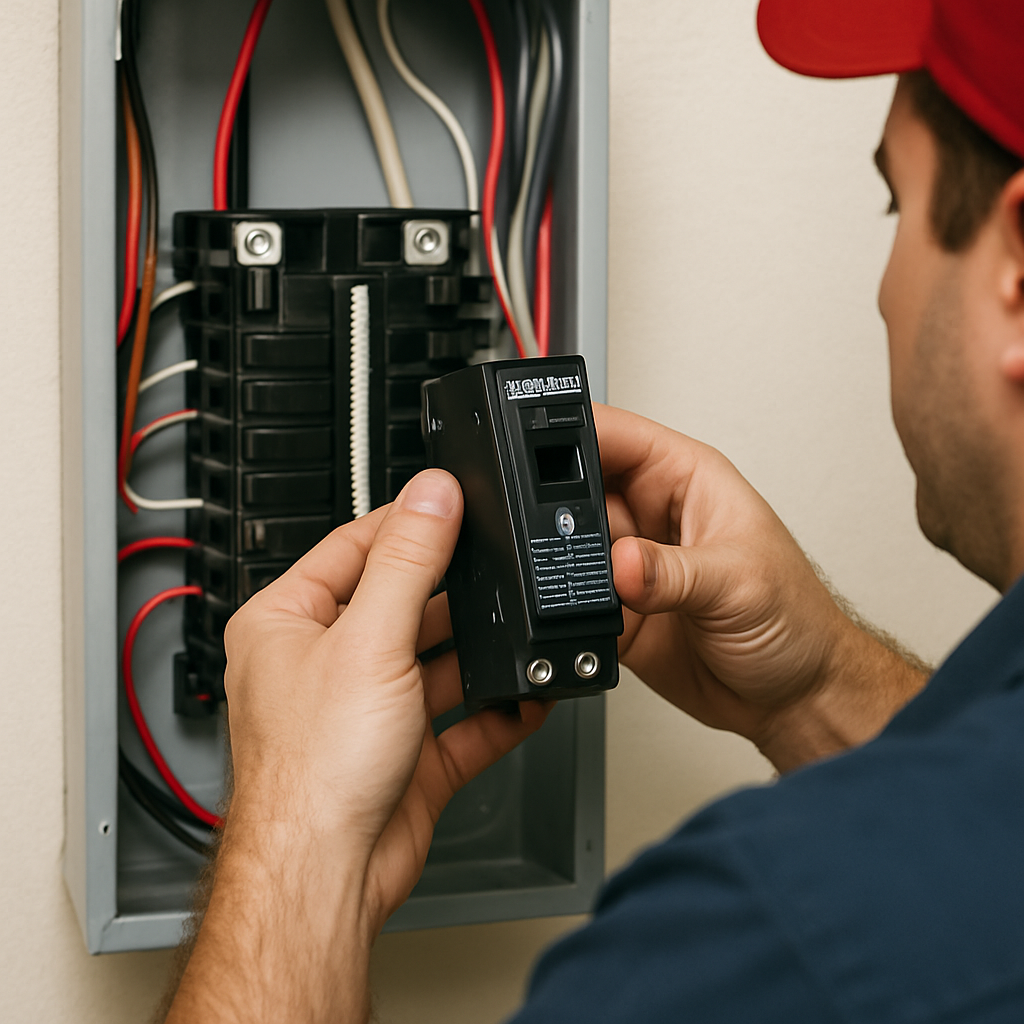
Vérifiez régulièrement tout signe visible de dommage, comme des câbles usés, connecteurs desserrés, ou des fissures dans le boîtier. Une détection précoce peut vous aider à résoudre des problèmes mineurs avant qu'ils ne dégénèrent en réparations coûteuses..
2. Lubrification et entretien des roulements
Les servomoteurs contiennent des pièces mobiles, et les roulements sont particulièrement sensibles à l'usure. Une lubrification adéquate des roulements et autres composants mobiles est essentielle pour réduire la friction et prévenir les défaillances prématurées.. Assurez-vous d'utiliser le lubrifiant recommandé par le fabricant pour votre modèle de servomoteur spécifique..
Les conseils d'entretien du servomoteur incluent également la vérification des roulements pour détecter tout signe d'usure.. Si le moteur fait des bruits inhabituels ou présente une résistance pendant la rotation, cela peut indiquer que les roulements doivent être remplacés. Le remplacement rapide des roulements peut empêcher le moteur de subir une panne totale.
3. Surveiller et entretenir l'encodeur
L'encodeur est un composant essentiel du servomoteur, fournir des informations sur la position du moteur, vitesse, et direction. Au fil du temps, la saleté et la crasse peuvent s'accumuler sur l'encodeur, nuire à ses performances. Inspectez régulièrement l'encodeur pour vérifier sa propreté et ses signes d'usure..
Utilisez un chiffon doux pour nettoyer le capteur optique de l'encodeur et assurez-vous qu'il est exempt de débris.. Les conseils d'entretien du servomoteur incluent également l'étalonnage régulier de l'encodeur pour garantir un retour précis au système.. Cela peut éviter les erreurs de fonctionnement de la machine et améliorer les performances globales du système..
4. Vérifier la surchauffe
La surchauffe est l'une des causes les plus courantes de panne de servomoteur.. Une surchauffe continue peut dégrader les enroulements du moteur, isolation, et roulements, conduisant finalement à une panne. La surveillance de la température du servomoteur est cruciale pour maintenir des performances optimales.
Installez des capteurs de température si votre équipement ne dispose pas de surveillance intégrée. Assurez-vous de vérifier la température du moteur pendant le fonctionnement, et assurez-vous qu'il ne dépasse pas les limites recommandées. Les conseils d'entretien du servomoteur consistent notamment à s'assurer que les ventilateurs de refroidissement ou les échangeurs de chaleur fonctionnent correctement et que le moteur est correctement ventilé pour éviter l'accumulation de chaleur..
5. Inspecter les connexions électriques
Des connexions électriques défectueuses peuvent entraîner des performances irrégulières du moteur, voire une panne complète.. Inspectez régulièrement les connexions électriques pour détecter les bornes desserrées ou corrodées.. Resserrez toutes les connexions desserrées et nettoyez les contacts pour éviter une mauvaise conductivité..
Les conseils d'entretien des servomoteurs suggèrent de vérifier l'isolation des câbles pour éviter les courts-circuits électriques. Assurez-vous que les câbles ne sont pas effilochés ou exposés à une chaleur excessive, car cela peut entraîner des défauts électriques. En plus, vérifier que l'alimentation électrique du moteur est stable et dans la plage de tension et de courant recommandée par le fabricant.
6. Étalonnage des logiciels et du système
Les servomoteurs sont souvent intégrés à des systèmes de contrôle avancés qui nécessitent un étalonnage logiciel périodique. La mise à jour régulière du micrologiciel et du logiciel du moteur peut contribuer à garantir que le moteur fonctionne avec les dernières optimisations et corrections de bugs..
Les conseils de maintenance du servomoteur incluent également la révision des paramètres du servocontrôleur., comme les valeurs de gain, limites de vitesse, et limites de couple. Ces paramètres doivent être ajustés en fonction des besoins spécifiques de votre application pour éviter toute contrainte inutile sur le moteur et améliorer l'efficacité globale du système..
7. Tester les performances du moteur
Les tests de performances de routine sont un aspect clé des conseils de maintenance des servomoteurs. Si votre servomoteur ne fonctionne pas comme prévu, il est peut-être temps de faire un diagnostic. Surveiller la réponse du moteur aux commandes, sa vitesse, et sa sortie de couple.
Utiliser des outils de diagnostic spécialisés pour effectuer une analyse motrice complète, à la recherche d'éventuelles incohérences dans les performances. Cela peut aider à détecter des problèmes tels qu'un mauvais signal de retour ou un arbre moteur mal aligné.. Résoudre ces problèmes dès le début peut éviter une panne complète du moteur, vous permettant d'économiser du temps et de l'argent en réparations.
8. Remplacer les pièces usées
Même avec les meilleures pratiques de maintenance, les pièces du servomoteur finiront par s'user. Gardez un œil sur les composants tels que les pinceaux, scellés, et autres pièces à forte usure. Quand ces composants commencent à se dégrader, remplacez-les rapidement pour éviter d'endommager davantage le moteur.
Les conseils d'entretien des servomoteurs soulignent l'importance d'utiliser des pièces de rechange d'origine provenant de marques de confiance.. En tant que fournisseur leader de pièces de rechange pour servomoteurs de haute qualité, DUOMI CNC propose une large gamme de pièces de rechange d'origine de marques de confiance telles que Siemens, FANUC, Allen Bradley, ABB, et plus. Le remplacement des pièces usées par des composants d'origine garantit la longévité et la fiabilité de vos servomoteurs.
9. Surveiller les niveaux de vibration
Une vibration excessive est un signe de déséquilibre ou de désalignement du moteur. La surveillance des niveaux de vibrations pendant le fonctionnement peut aider à identifier les problèmes à un stade précoce. Si vous remarquez des vibrations inhabituelles, inspecter le moteur et ses composants pour détecter toute pièce desserrée ou endommagée.
Les conseils d'entretien du servomoteur consistent notamment à s'assurer que le moteur est correctement aligné avec le reste du système pour éviter toute contrainte sur ses composants.. Un mauvais alignement peut entraîner une usure inégale et des contraintes inutiles sur le moteur, raccourcissant finalement sa durée de vie.
Conclusion
L'entretien de votre servomoteur est crucial pour éviter des réparations coûteuses et maximiser sa durée de vie.. En suivant ces conseils d'entretien des servomoteurs, vous pouvez vous assurer que votre équipement reste dans un état optimal, réduire les temps d’arrêt et améliorer l’efficacité. Chez DUOMI CNC, nous comprenons l'importance de la haute qualité, composants de servomoteur fiables. En tant que fournisseur leader de pièces d'automatisation, nous proposons une large sélection de pièces de rechange d'origine de grandes marques comme Siemens, FANUC, et ABB. Pour plus d'informations sur nos produits et services, visitez notre site Web à DUOMI CNC.


 par
par