Tools and Materials You’ll Need
Before you start removing the gear pump from your servo motor, gather these essential tools and materials:
- Basic hand tools: wrenches, screwdrivers, Allen keys for bolts and connectors
- Torque wrenches: to properly tighten or loosen mounting bolts without damage
- Snap-ring pliers: for removing retaining rings or circlips on shafts
- Pullers: three-jaw or two-jaw pullers, hydraulic pullers, and slide hammers to safely extract the pump from the shaft
- Heating tools: a heat gun or induction heater to gently expand metal parts when the pump is stuck
- Penetrating oil: to soak rusted or seized connections for easier separation
- Anti-seize compound: to apply on reassembly and prevent future seizure
- Thread locker: to secure bolts and prevent loosening from vibration
- Clean rags: for wiping parts and preventing contamination
- Marker and camera/phone: mark shaft alignment and orientation before removal, then document each step visually for accurate reassembly
Having these ready before you start saves time and ensures a smooth, safe pump removal process from your servo motor.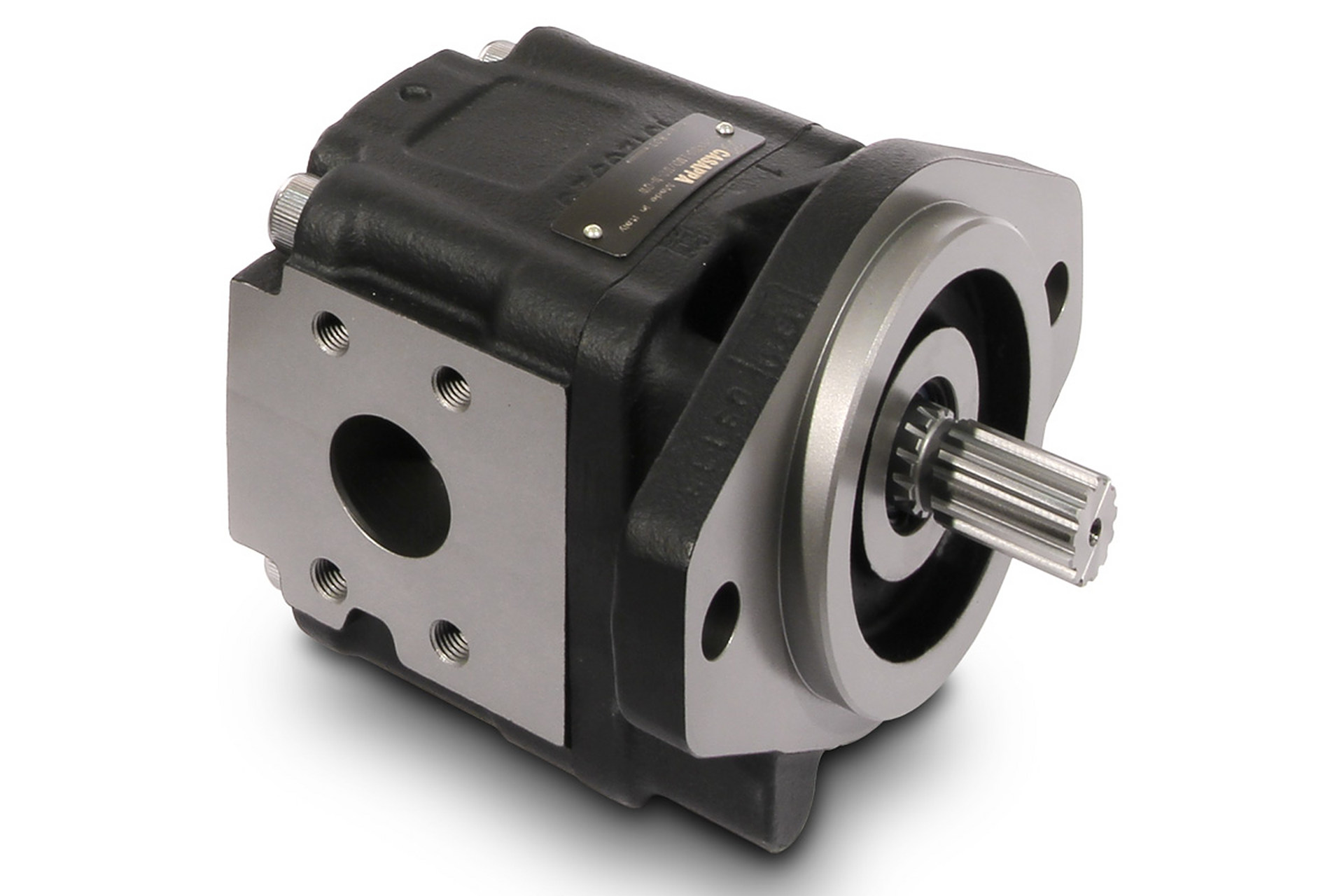
Preparation and Safety First
Before starting the gear pump removal from the servo motor, make sure to follow these safety steps:
- Lock-out/tag-out (LOTO) procedure: Ensure the machine is fully locked and tagged out to prevent accidental startup.
- Depressurize the hydraulic system: Release all pressure to avoid oil sprays or injury.
- Disconnect electrical power: Cut off power to the servo motor completely.
- Drain oil from pump and lines: Remove any hydraulic fluid to prevent spills and make handling easier.
- Mark alignment and rotation direction: Use a marker or tape to note the pump’s position and rotation direction—this helps when you reinstall the pump correctly.
These preparation steps keep you safe and avoid damage during the gear pump removal.
Understanding the Coupling Types
Knowing the type of coupling between your gear pump and servo motor is key to a smooth removal. Here are the common ones you’ll see:
- Splined Shaft: This is the most common on modern servo systems. The pump slides over a grooved shaft, providing a strong, slip-free connection.
- Keyed Shaft: Uses a parallel key or Woodruff key to lock the pump to the motor shaft. The key fits into grooves on both shaft and pump, preventing rotation slip.
- Tapered Shaft with Key: The shaft and pump have a tapered fit, usually secured with a key and sometimes a nut. This setup requires heat or force to separate the pump without damage.
- Bell-Housing Direct Mount vs. Flange Mount: Some pumps bolt directly to the motor bell housing, while others mount on a flange using couplings like Lovejoy or spider couplings that absorb vibration and misalignment.
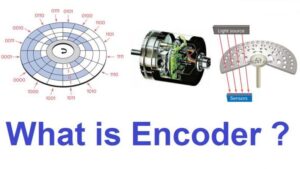
- Magnetic or Hollow-Shaft Encoder Couplings: Less common but critical in precise servo systems. These couplings connect the encoder while allowing easy disassembly without damaging encoder alignment.
Understanding your coupling type helps you pick the right tools and precautions to safely take out your gear pump from the servo motor without causing damage or extra hassle.
Step-by-Step Removal Process
Here’s how to take out the gear pump from the servo motor without causing damage:
- Disconnect hydraulic lines carefully and drain any leftover oil to avoid spills.
- Remove the pump mounting bolts—these might be on the bell housing or flange/foot bolts depending on your setup.
- Support the pump weight while removing bolts. Use a sling or have a second person help; pumps can be heavy and awkward to handle.
- Break the shaft connection based on the coupling type:
- Splined shaft: Gently rock the pump back and forth while using a puller tool to slide it off. Avoid forcing it.
- Keyed shaft: First, remove the retaining ring or circlip that holds the key in place, then pull the pump off carefully.
- Tapered shaft: Heat the shaft area to around 80–120°C using a heat gun or induction heater, then give a few light taps with a brass hammer to loosen the pump.
- Use the right pulling tool—a hydraulic puller or slide hammer works best. Always follow safe pulling practices to avoid damaging the shaft or pump.
- If the pump is completely seized:
- Apply penetrating oil and let it soak.
- Cycle through heating and cooling to break rust or corrosion bonds.
- For stubborn cases, a hydraulic nut can provide controlled force to free the pump without risking damage.
Following these steps will help you remove the gear pump smoothly from a servo motor.
Common Problems & How to Solve Them
When working on gear pump removal from the servo motor, some common issues often pop up:
-
Pump stuck due to rust or galling
This one’s typical if the pump hasn’t been serviced for a while. Use penetrating oil and gentle heat cycles to loosen it. Avoid brute force to prevent damage.
-
Broken or sheared Woodruff key
If the key is damaged, it can jam the pump on the shaft. Remove all remnants before trying to pull the pump. Replacement keys are cheap and should always be swapped out during reassembly.
-
Damaged spline teeth
Stripped or worn spline teeth make it tough to separate the pump from the motor shaft. Inspect carefully; minor wear might allow reattachment, but severe damage means parts need replacing.
-
Shaft snapped inside pump
This is a tricky one. You’ll need to extract the broken shaft piece carefully, sometimes requiring a hydraulic puller or professional help. Don’t force it to avoid further damage.
-
Servo motor encoder misalignment after reassembly
After reinstalling, check the encoder alignment closely. Misalignment can cause control and feedback errors, affecting servo performance. Use your marker or photos taken during disassembly to realign properly.
Keeping these issues in mind helps you troubleshoot efficiently and save time during gear pump removal from servo motor work.
Inspection After Removal
Once you’ve taken the gear pump off the servo motor, a thorough inspection is key to know what needs fixing or replacing. Here’s what I check personally:
- Gear wear and scoring: Look closely at the gear teeth for any signs of wear, deep scratches, or pitting. These can cause performance issues or noise later on.
- Cavitation marks: Check for small, blister-like spots or erosion on the gears and housing. Cavitation happens when air bubbles collapse inside the pump, damaging the metal.
- Shaft runout: Use a dial indicator to measure if the servo motor shaft is perfectly straight. Any wobbling means the shaft might be bent, which will cause vibration and wear.
- Spline condition: Inspect the spline teeth for chips, cracks, or excessive wear. Damaged spline teeth can cause the pump to slip or fail to engage properly.
- O-ring and seal condition: Don’t forget the seals. Old, cracked, or flattened O-rings and seals can lead to leaks or contamination in the system.
- Servo motor shaft and keyway: Finally, examine the servo motor shaft and keyway for any damage or deformation, especially if a keyed or tapered shaft was involved. This ensures a smooth reinstallation and prevents future stuck pump issues.
Doing this inspection after removal saves you time and money by spotting potential problems early before reassembly or pump replacement.
Reinstallation Tips to Avoid Future Stuck Issues
To keep your gear pump working smoothly after removal, follow these simple steps during reinstallation:
- Clean everything thoroughly. Remove old grease, dirt, and residue from the shaft, mounting surfaces, and pump housing. A clean surface helps prevent corrosion and seizing later.
- Apply anti-seize lubricant. Use a high-quality anti-seize compound on the motor shaft and bolt threads. This makes future removal easier and protects against rust and galling.
- Use correct torque on mounting bolts. Over-tightening can deform the pump or cause misalignment, while under-tightening risks loosening. Follow the manufacturer’s torque specs carefully.
- Check alignment precisely. Use a dial indicator to verify the pump shaft and motor shaft are perfectly aligned before final tightening. Misalignment is a common cause of premature wear and stuck pumps.
- Prime the pump before startup. Fill the gear pump with hydraulic oil before running it. This reduces dry running and helps avoid damage during initial operation.
Following these reinstallation tips reduces common problems like a stuck gear pump on the servo motor shaft, ensuring your hydraulic system stays reliable longer.
When You Should Replace Instead of Repair
Knowing when to replace your gear pump instead of repairing it saves you time and money. Here’s a quick cost-benefit look to help you decide:
| Condition |
Repair |
Replacement (New cncdomi Pump) |
| Minor wear or scoring |
Repair is cost-effective |
Usually unnecessary |
| Broken or sheared Woodruff key |
Replace key, possibly repair pump |
Consider replacement if damage is extensive |
| Damaged or worn spline teeth |
Repair may be costly and unreliable |
Replacement recommended |
| Seized or snapped shaft |
Often not worth repairing |
Replacement is best option |
| Multiple seal leaks or worn seals |
Repair seals only if parts available |
Replacement might save downtime |
| Frequent pump failures |
Repair may be temporary fix |
New cncdomi pump ensures reliability |
Remember: A new cncdomi replacement pump offers better performance, warranty, and peace of mind. If your pump has serious spline damage, shaft problems, or repeated failures, replacing it will prevent costly downtime and repairs down the road. Use this guide to judge whether repairing your stuck or damaged gear pump is practical or if it’s time for a fresh start.

 by
by