¿Qué es un sistema PLC modular??
En el mundo de la automatización industrial, elegir la arquitectura adecuada es fundamental. Mientras PLC compactos Ofrecen un número fijo de puntos de E/S y una fuente de alimentación integrada en una sola unidad, ideal para aplicaciones pequeñas., Máquinas independientes: carecen de la versatilidad necesaria para entornos de fabricación complejos..
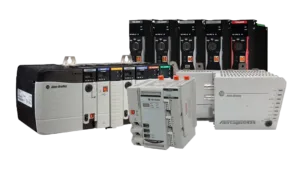
A Sistema PLC modular adopta un enfoque diferente. en lugar de un “talla única” ladrillo, Utiliza una arquitectura basada en bastidor en la que se personaliza el hardware para adaptarlo a la aplicación específica.. No estás estancado en capacidades fijas; construyes el sistema que necesitas, módulo por módulo.
Los principales beneficios de la arquitectura modular
Los ingenieros y directores de planta prefieren sistemas modulares como el Serie GE Fanuc 90-30 o Siemens S7 por tres razones principales:
- Flexibilidad: Usted selecciona la combinación exacta de E/S digitales, E/S analógicas, y módulos de especialidad requeridos para su proceso. Si su aplicación cambia, simplemente cambia o agrega un módulo en lugar de reemplazar todo el controlador.
- Escalabilidad: Comience poco a poco y amplíese a medida que crece la producción.. Los sistemas modulares le permiten agregar bastidores de expansión y módulos de interfaz para manejar miles de puntos de E/S en múltiples gabinetes..
- Facilidad de mantenimiento: Si falla un solo componente, digamos, una tarjeta de salida digital: solo reemplaza esa tarjeta específica. Esto reduce drásticamente el tiempo de inactividad y los costos de repuestos en comparación con el reemplazo de una unidad compacta completa..
El 7 Diferentes tipos de módulos PLC (Desglose detallado)
Un sistema PLC modular funciona como un equipo especializado donde cada jugador tiene un trabajo específico. No compras simplemente un “SOCIEDAD ANÓNIMA”; usted construye un sistema seleccionando los componentes adecuados para adaptarse a su aplicación industrial específica. Aquí está el desglose de la 7 Componentes de hardware esenciales que encontrará en un rack estándar..
1. Bastidor o chasis
Piensa en el Bastidor o chasis como columna vertebral de todo el sistema. Es el hardware físico el que mantiene todos los demás módulos en su lugar.. Más importante aún, contiene el plano posterior, una placa de circuito impreso que actúa como sistema nervioso, Distribuir señales de energía y datos entre los módulos conectados.. sin el estante, Los módulos no tienen forma de comunicarse entre sí..
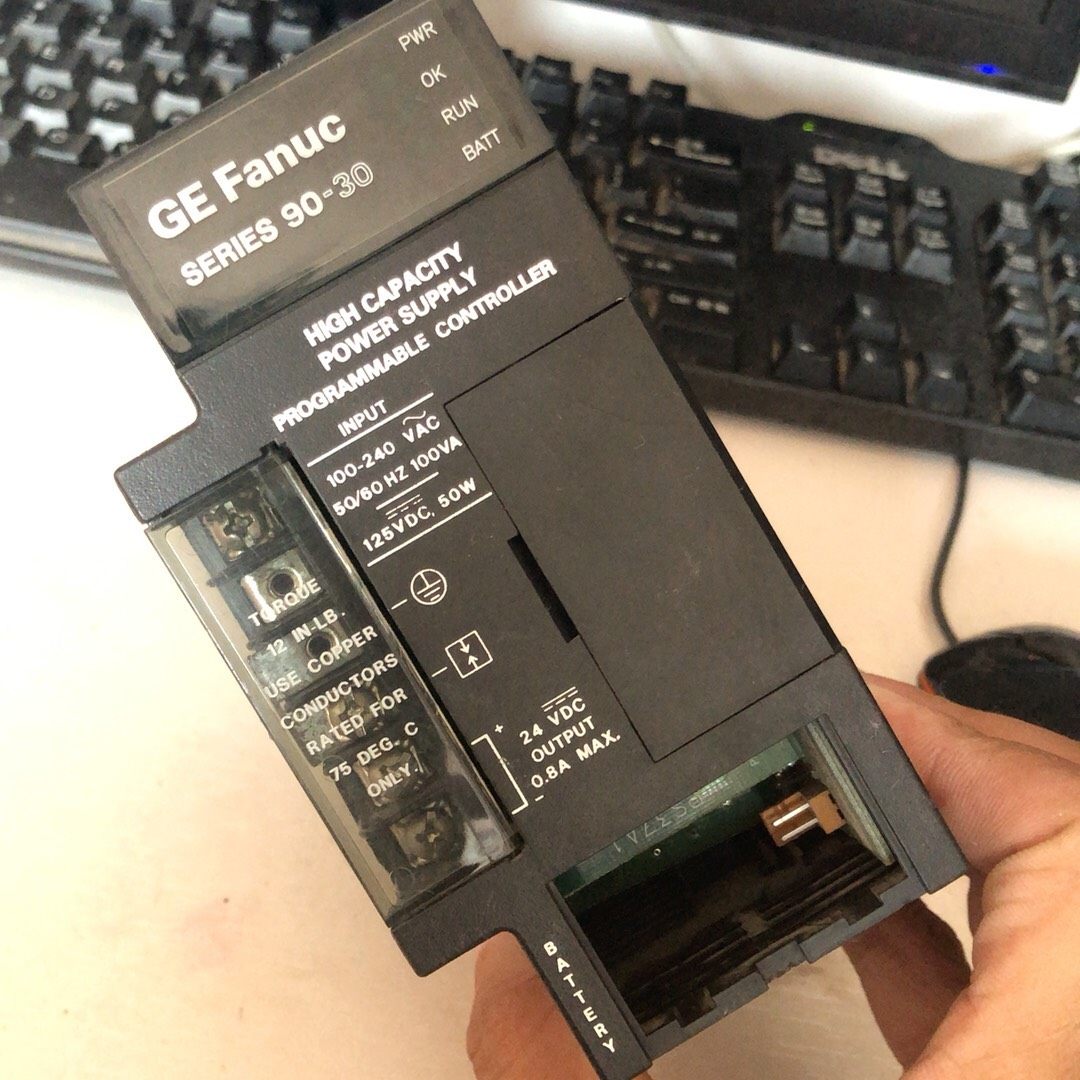
2. Fuente de alimentación (PD) Módulo
El Fuente de alimentación (PD) Módulo es el latido del PLC. En la mayoría de las fábricas de EE. UU., El voltaje de línea que ingresa al gabinete suele ser de 120 VCA o 240 VCA.. Sin embargo, La delicada electrónica dentro de la CPU y las tarjetas de E/S normalmente funcionan con 24 V CC o 5 V CC.. El módulo PS maneja esta conversión., asegurando una estabilidad, El voltaje regulado fluye al resto del sistema.. Si este módulo falla, todo el estante se oscurece.

3. Unidad Central de Procesamiento (UPC)
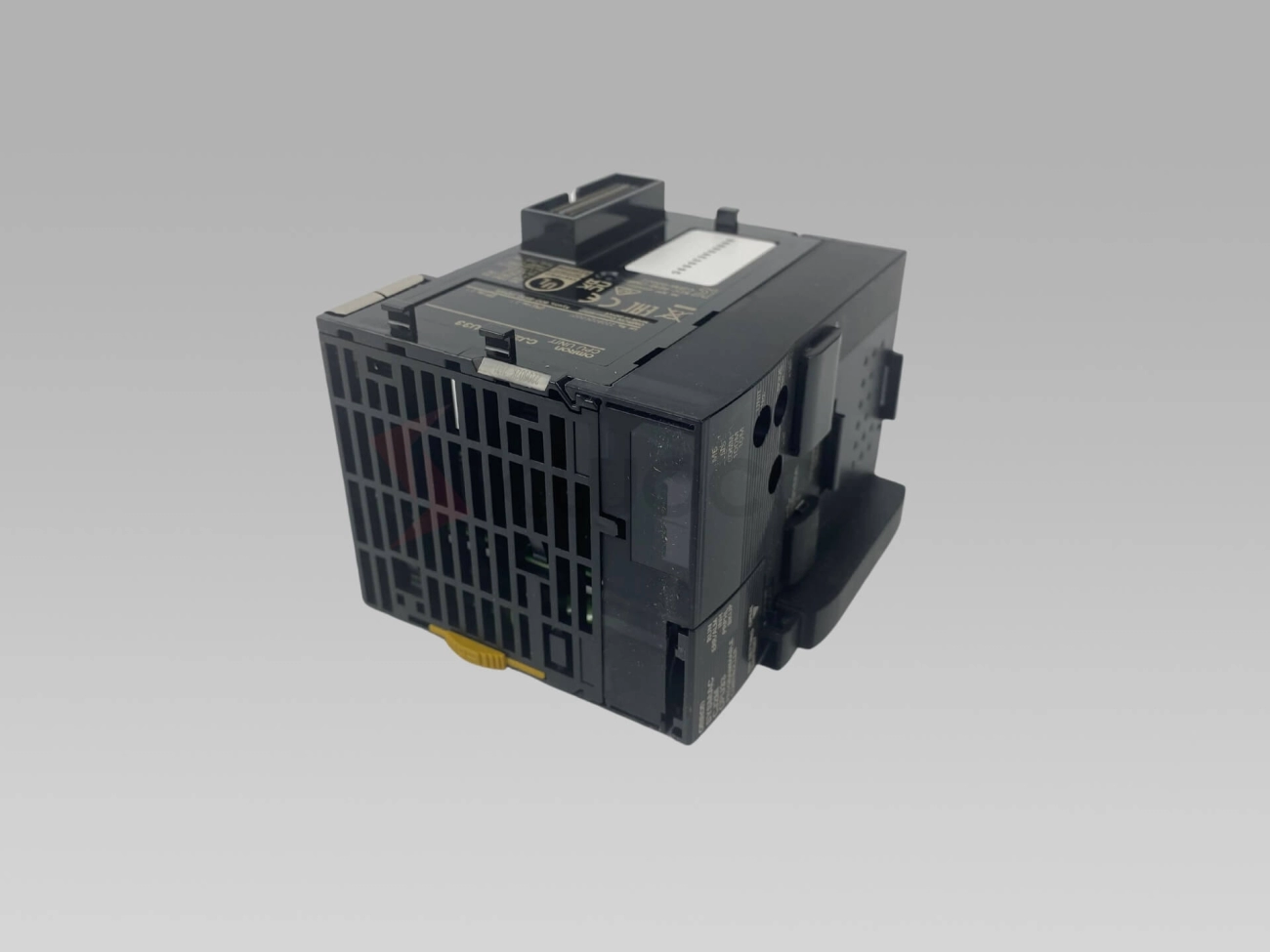
El Unidad Central de Procesamiento (UPC) es el cerebro de la operación. Almacena el programa lógico. (lógica de escalera) y ejecuta instrucciones basadas en los datos de entrada que recibe. Ya sea que esté ejecutando una serie GE heredada 90-30 o un moderno Controlador básico SIMATIC S7-1200, El trabajo de la CPU es tomar decisiones y decirle a los dispositivos de salida qué hacer..
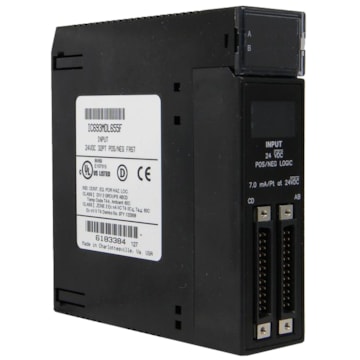
4. Módulo de interfaz (SOY)
A veces, un solo bastidor no es suficiente para maquinaria compleja. El Módulo de interfaz (SOY) le permite conectar varios bastidores juntos. Actúa como un puente, transferir señales de bus desde el rack principal (donde se encuentra la CPU) a racks de expansión ubicados en diferentes gabinetes o áreas de la máquina. Esto es fundamental para la escalabilidad..
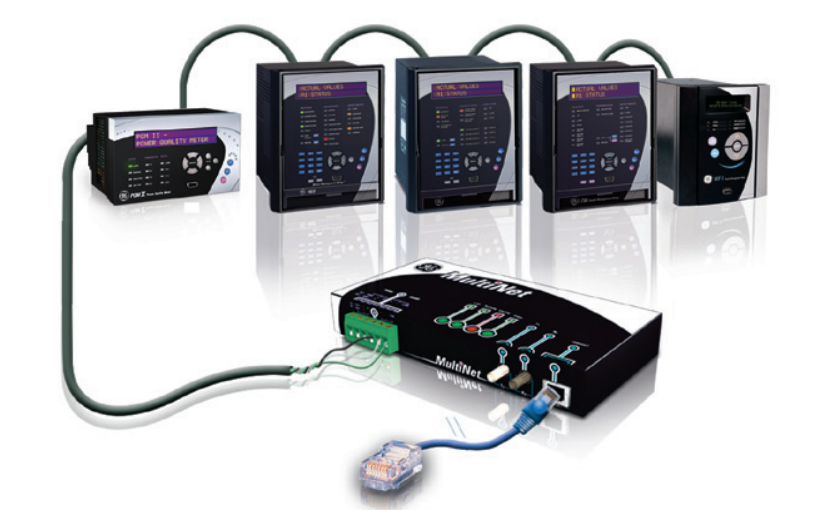
5. Módulo de señal (SM) / Módulos de E/S
Estos son los “manos y ojos” del PLC. Módulos de señal (SM), comúnmente llamados módulos de E/S, interactuar directamente con dispositivos de campo como sensores, interruptores, y motores. Generalmente se dividen en dos categorías.:
- E/S digitales: Maneja señales simples de encendido/apagado (p.ej., botones, interruptores de límite).
- E/S analógicas: Maneja datos variables (p.ej., sensores de temperatura, manómetros, medidores de flujo).
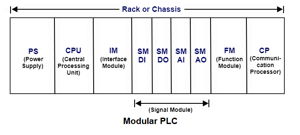
6. Módulos de funciones (FM)
Módulos de funciones (FM) son los especialistas. Las CPU estándar son excelentes en lógica, pero pueden atascarse en complejos, tareas que requieren muchos recursos. Los módulos de funciones descargan estas tareas específicas. Los ejemplos comunes incluyen:
- Módulos contadores de alta velocidad: Para contar pulsos rápidos de codificadores..
- Módulos de posicionamiento: Para un control de movimiento preciso.
- Módulos de control PID: Para regular bucles de temperatura o presión..
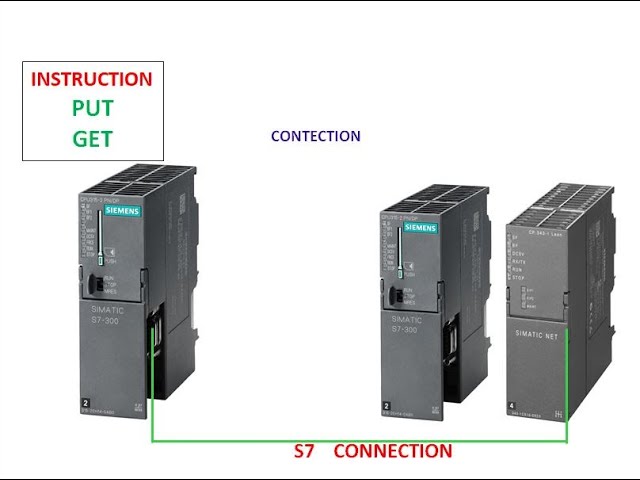
7. Procesador de comunicación (PC)
El Procesador de comunicación (PC) actúa como el “voz” del sistema. Mientras la CPU maneja la lógica interna, El módulo CP gestiona el intercambio de datos con sistemas externos.. Esto permite que el PLC se comunique con las HMI., Sistemas SCADA, u otro controles de automatización industrial a través de redes como Ethernet/IP, Profibus, o Modbus. Esta conectividad es esencial para el registro de datos moderno y el monitoreo remoto..
Foco en los módulos PLC de GE
Al observar el panorama de la automatización industrial en los EE. UU., Módulos PLC GE mantener un estatus legendario en la fábrica. Todos los días veo instalaciones que confían completamente en el poder comprobado de la línea GE Fanuc para sus operaciones más críticas..
Fiabilidad heredada y inigualable
En sectores pesados como la generación de energía y la fabricación a gran escala., familias específicas de GE son conocidas por su rendimiento a prueba de balas:
- Serie GE Fanuc 90-30: El caballo de batalla indiscutible para el control de rango medio.
- Serie 90-70: El peso pesado para lo masivo, recuentos de E/S complejos.
- Módulos GE VersaMax: La opción ideal para compactos, operaciones escalables.
Por qué la demanda sigue siendo alta
Todo se reduce a un hardware robusto. Aunque muchos de estos componentes ahora son Piezas descontinuadas de GE PLC, La ingeniería original era tan sólida que miles de fábricas estadounidenses todavía funcionan íntegramente con estos sistemas.. En lugar de gastar millones para desmontar y reemplazar una línea completa, Los gerentes de planta mantienen estos caballos de batalla en funcionamiento., manejo complejo sin problemas Integración de VFD y PLC para gestionar configuraciones de motores modernos utilizando estos cerebros heredados.
El desafío del abastecimiento
Porque estos sistemas de control todavía se utilizan mucho en todo el país., mantenerlos en línea presenta un obstáculo importante para los equipos de mantenimiento.
- Escasez de inventario: Rastreando el verdadero 'Nuevo en caja'’ módulos GE sellados de fábrica es cada vez más difícil.
- La apuesta renovada: El mercado secundario está lleno de hardware sin control.. Encontrar alta calidad, Unidades reacondicionadas probadas de manera confiable que no comprometan la seguridad de la producción es el mayor desafío de abastecimiento que enfrentan los compradores en la actualidad..
Cómo seleccionar y obtener el módulo PLC GE adecuado
Encontrar el reemplazo exacto para un sistema heredado no se trata sólo de hacer clic “comprar”; se trata de garantizar que su línea de producción no vuelva a fallar la próxima semana. Al abastecerse Módulos PLC GE, específicamente para sistemas antiguos como la Serie 90-30 o VersaMax, la precisión lo es todo. Así es como recomendamos navegar por el mercado para asegurarse de obtener el hardware adecuado.
Verificación de compatibilidad: Haga coincidir los números de pieza y el firmware
En la automatización industrial, “suficientemente cerca” es peligroso. El paso más crítico es verificar el código alfanumérico exacto en la placa frontal o etiqueta lateral de su módulo.. Una diferencia de un solo dígito a menudo indica una clasificación de voltaje diferente, capacidad de E/S, o protocolo de comunicación.
Más allá del número de pieza del hardware, prestar atención a versiones de firmware. Es posible que los módulos más nuevos no se comuniquen correctamente con una CPU o un backplane más antiguo sin una actualización de firmware, lo cual puede ser riesgoso en un sistema en ejecución. Siempre verifique que la unidad de reemplazo, tal como un Placa de circuito GE Fanuc IC693MDL645G, coincide con el nivel de revisión requerido por su configuración actual.
Nuevo vs.. Renovar: Sopesando las opciones
Porque muchas líneas de GE Fanuc están descontinuadas, a menudo te enfrentarás a una elección entre “Nuevo excedente” y “Renovar” existencias.
- Nuevo excedente: Estas son piezas no utilizadas que a menudo se encuentran en su embalaje original.. Ofrecen la vida útil más larga y normalmente vienen con nuestro 2-año de garantía. Son la apuesta más segura pero tienen un precio superior..
- Renovar: Estas son piezas usadas que han sido limpiadas., reparado, y restablecer. Son una solución rentable para un mantenimiento económico y, a menudo, son la única opción para sistemas muy antiguos.. Respaldamos nuestros productos usados con una sólida 3-mes de garantía para darte tranquilidad.
La importancia de las pruebas profesionales
Adquisición de piezas de automatización en mercados generales (como ebay) es un riesgo enorme para la seguridad de la producción. Un módulo puede verse limpio por fuera pero tener condensadores fundidos o memoria dañada por dentro. La instalación de un módulo no probado puede dañar la placa posterior de su bastidor o quemar los sensores conectados.
ese duomi, no solo enviamos cajas; verificamos la funcionalidad. Utilizamos más 10 Diferentes tipos de equipos de prueba profesionales para garantizar que cada Módulo PLC GE—ya sea una fuente de alimentación o una CPU compleja—pasa rigurosas pruebas funcionales antes de salir de nuestras instalaciones. Esto elimina el “muerto al llegar” riesgo y garantiza que la pieza esté lista para funcionar en el momento en que la instale.
Por qué confiar en DUOMI para sus necesidades de PLC GE?
Cuando su línea de producción no funciona debido a un módulo GE defectuoso, no tienes tiempo para conjeturas. Necesita un socio que comprenda la urgencia de la automatización industrial. ese duomi, hemos gastado más 15 años Cultivar una cadena de suministro diseñada para minimizar el tiempo de inactividad y maximizar la confiabilidad.. He aquí por qué miles de instalaciones confían en nosotros para su Módulos PLC GE y repuestos de automatización.
Fortaleza de inventario inigualable
No solo enumeramos números de piezas; los almacenamos. Nuestro almacén tiene una enorme 10,000+ inventario al contado, brindándole acceso inmediato a componentes críticos.
- Piezas difíciles de encontrar: Nos especializamos en escasos, obsoleto, y piezas de automatización descatalogadas. Si necesitas un legado Serie GE Fanuc 90-30 tarjeta o una específica GE Versa Max unidad, probablemente lo tengamos listo para enviar.
- Abastecimiento global: Más allá de nuestro stock inmediato, tenemos acceso a más 300,000 productos, desde componentes GE hasta productos de alta calidad Componentes de automatización siemens.
Protocolos de prueba rigurosos
Comprar piezas reacondicionadas o usadas no debería ser una apuesta. Eliminamos el riesgo mediante un estricto control de calidad..
- Equipo profesional: Utilizamos más 10 conjuntos de equipos de prueba profesionales para verificar cada módulo.
- Verificación funcional: Si es una CPU, módulo de E/S, o fuente de alimentación, Probamos su función real antes de la entrega.. Nos aseguramos de que la pieza se comunique., lógica de procesos, y maneja la energía exactamente como lo pretendía el OEM.
Protección de velocidad y garantía
Sabemos que cada minuto de inactividad le cuesta dinero. Nuestras políticas de logística y garantía están diseñadas para brindarle tranquilidad..
- Entrega rápida: Ofrecemos 48-envío urgente por hora y mantener una red logística capaz de llegar a más de 100 países dentro 7 días.
- Garantía sólida: Respaldamos firmemente nuestros productos. Obtienes un 2-año de garantía en productos nuevos y un completo 3-Mes de garantía en productos usados..
24/7 Soporte experto
No somos sólo transportistas de cajas; somos tus socios técnicos. Nuestro equipo profesional está disponible. 24/7 para proporcionar cotizaciones, verificar compatibilidad, y ofrecer soporte técnico. Siempre estamos ahí para ti, asegurándose de obtener lo correcto repuestos para automatizacion industrial para que sus máquinas vuelvan a funcionar.
Preguntas frecuentes (Preguntas frecuentes)
¿Cuáles son los componentes principales de un PLC GE Fanuc??
Un estándar GE Fanuc PLC sistema, como la popular Serie 90-30 o 90-70, Se basa en una arquitectura modular diseñada para durabilidad industrial.. La configuración principal siempre incluye un placa base (estante) que actúa como columna vertebral, a Módulo de fuente de alimentación para convertir el voltaje de línea, y un Unidad Central de Procesamiento (UPC) que contiene la lógica. Más allá de estos elementos esenciales, El sistema se personaliza con varios Módulos de E/S (Entrada/Salida) para interactuar con dispositivos de campo y Módulos de comunicación para hablar con HMI o sistemas SCADA.
¿Puedo reemplazar un módulo GE descontinuado por una versión más nueva??
Esta es una situación complicada. Mientras más nuevo Módulos PLC GE o existen kits de migración (a menudo avanzando hacia el Emerson PACSystems RX3i), La compatibilidad directa no está garantizada sin una reconfiguración o cableado del sistema.. En la mayoría de los escenarios de mantenimiento, La ruta más segura y rápida para restablecer la producción es reemplazar la unidad defectuosa con un número de pieza que coincida exactamente.. Dado que muchas de estas líneas están descontinuadas, conseguir un “Nuevo excedente” o “Renovar” La coincidencia exacta de un proveedor especializado como nosotros es a menudo la única manera de evitar una costosa revisión del sistema..
¿Cómo garantiza DUOMI la calidad de los módulos PLC GE usados??
Sabemos que comprar piezas usadas o reacondicionadas requiere confianza. Es por eso que no solo “limpiar y enviar.” cada usado Módulo PLC GE que ingresa a nuestro inventario pasa por un riguroso proceso de control de calidad:
- Inspección visual: Comprobamos daños físicos., corrosión, o condensadores quemados.
- Pruebas funcionales: Montamos el módulo en un banco de pruebas dedicado para simular condiciones operativas del mundo real..
- Pruebas de carga: Verificamos que el módulo pueda manejar su carga eléctrica nominal sin sobrecalentarse..
- Garantía: Respaldamos nuestras piezas usadas con un 3-mes de garantía y nuestras piezas nuevas con un 2-año de garantía, para que puedas instalarlos con total confianza.


 por
por