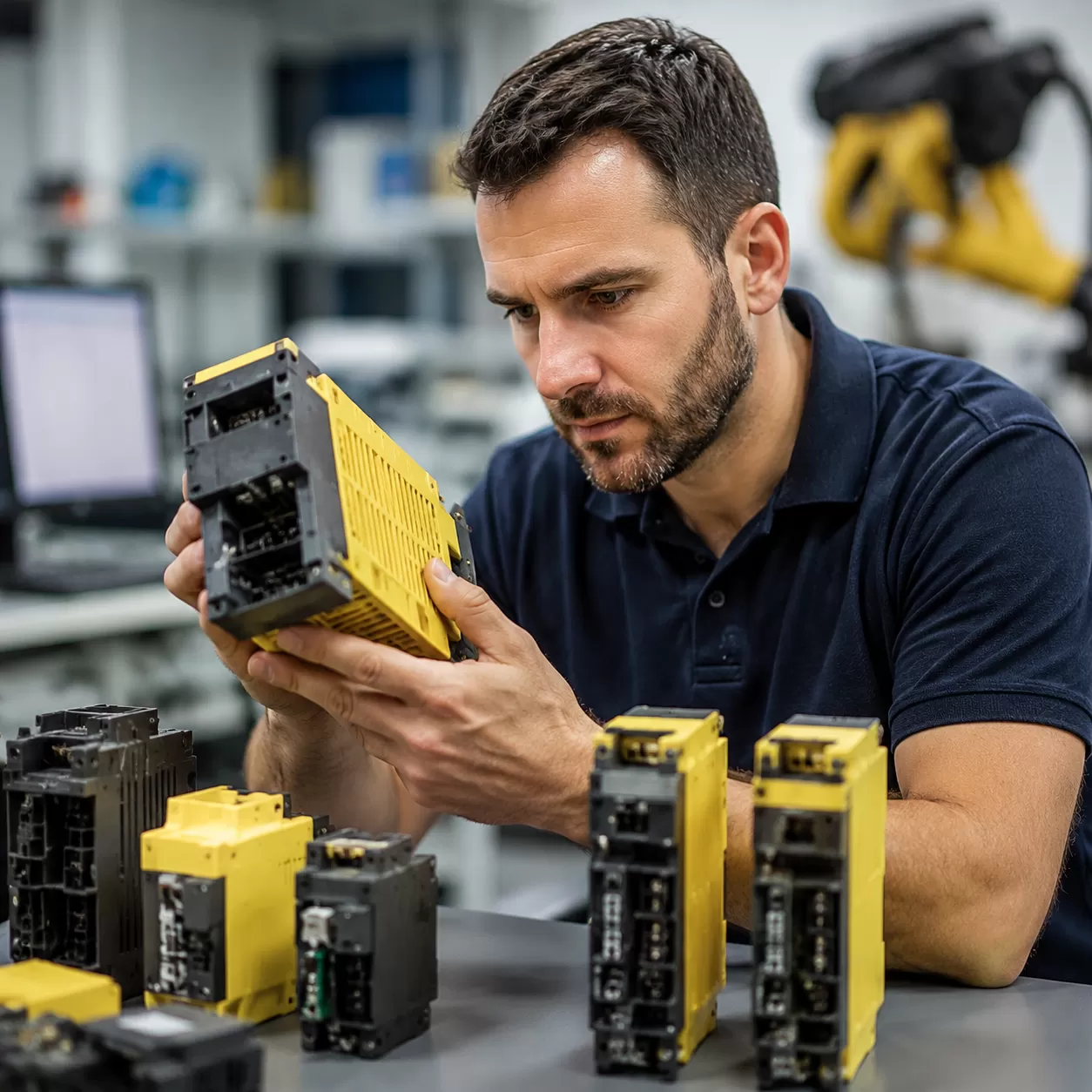
 Why Counterfeit Fanuc Parts Are a Growing Problem
Counterfeit Fanuc parts are more common than many realize—and their impact can be severe. As an experienced maintenance professional, I’ve seen how fake Fanuc spare parts can cause costly downtime, safety hazards, and warranty issues.
Industry statistics show a sharp rise in counterfeit Fanuc parts infiltrating supply chains. According to recent reports, up to 10% of parts in some factories may be counterfeit, especially in high-demand areas like CNC and robot components. These fake parts often look genuine at first glance but fail prematurely or cause equipment failures.
The real-world impact is significant. When counterfeit Fanuc parts are installed, factories face unexpected downtime, which can cost thousands of dollars per hour. Safety incidents also increase when substandard parts fail during operation. Plus, using fake parts voids warranties and complicates maintenance plans, leaving your team vulnerable to costly repairs.
How do counterfeit Fanuc parts enter the supply chain? Many come through gray-market brokers, online marketplaces, or overseas sellers who bypass authorized Fanuc distributors. These channels often sell at lower prices but lack the proper verification and traceability. As a result, buyers risk receiving fake, refurbished, or tampered parts that don’t meet Fanuc’s strict quality standards.
Fanuc CNC and robot parts are especially targeted by counterfeiters. These components are high-value, have long lead times, and involve complex technology. Automation facilities demand high-quality, reliable parts to keep production running smoothly. Because of their high demand and technical complexity, counterfeiters see Fanuc parts as prime targets for quick profits—making vigilance more critical than ever.
The Essential Tools You Need Before You Buy
Before purchasing Fanuc parts, having the right tools and resources is crucial to avoid counterfeit Fanuc parts. Start with basic inspection tools like a flashlight, magnifying glass, calipers, and a scale. These help you perform quick visual checks and verify physical dimensions and weight, which are key indicators of genuine parts.
Access to serial number and part data is equally important. Use official sources like the Fanuc database, MyPortal, or OEM catalogs to verify the authenticity of serial numbers and part details. This step helps prevent buying cloned or duplicated serial numbers often found on fake Fanuc robot parts.
Building a trusted supplier and authorized Fanuc distributor list is a smart move. Working with verified sources reduces the risk of counterfeit parts entering your supply chain. When you’re ready to buy, create a simple buyer’s checklist for every Fanuc purchase—covering packaging, markings, documentation, and serial number verification. This keeps your inspections consistent and thorough.
Finally, integrating DUOMI’s in-house verification process into your workflow can streamline your counterfeit detection efforts. Their multi-step quality control and serial number verification ensure every Fanuc part you receive is genuine, saving you time and avoiding costly failures. For more on reliable supply options, check out reliable Siemens automation parts.
Step-by-Step Visual Inspection Checklist
Performing a thorough visual inspection is one of the easiest ways to spot counterfeit Fanuc parts. Here’s a simple, step-by-step guide to help you identify red flags before making a purchase.
Step 1: Inspect Fanuc Packaging Quality
Start by examining the packaging. Genuine Fanuc parts come in high-quality boxes with consistent colors, sharp print, and clear barcodes. Look for any signs of tampering, such as re-taping or mismatched seals. Fake packaging often uses cheap materials, uneven printing, or blurry graphics.
Step 2: Check Labels and Stickers
Next, scrutinize the labels and stickers. Authentic Fanuc parts feature precise layout, consistent fonts, and security holograms or QR codes. Verify these details against official Fanuc branding standards. Any misspellings, font inconsistencies, or low-quality holograms could indicate a counterfeit.
Step 3: Compare Dimensions and Weight
Compare the physical dimensions and weight of the part with official Fanuc specifications. Counterfeit parts may look similar but often have slight size differences or feel lighter due to substandard materials. Using calipers and a scale can help you catch these discrepancies.
Step 4: Inspect Molding, Casting, and Machining
Check the quality of the molding, casting, or machining of the part body. Genuine Fanuc components are made with high precision. Look for rough surfaces, uneven finishes, or visible flash that suggests low-quality manufacturing.
Step 5: Review Logos, Fonts, and Markings
Look closely at the Fanuc logos, fonts, and markings on the part. They should match the official branding perfectly. Any inconsistencies in logo placement, font style, or spelling are red flags for counterfeit parts.
Step 6: Verify Part Numbers and Date Codes
Ensure the part number, serial number, and date codes follow the correct format. Cross-reference these with Fanuc’s official databases or OEM catalogs. Fake parts often have incorrect or inconsistent codes that don’t match their supposed manufacturing date or revision level.
Step 7: Inspect Connectors and Terminals
Examine connectors, pins, terminals, and ports for build quality. Authentic Fanuc parts have tight, clean connections without burrs or signs of tampering. Poorly made connectors are common in fakes and can lead to operational issues.
Step 8: Detect Signs of Used or Repaired Parts
Finally, look for signs of previous use, such as scratches, worn areas, or evidence of tampering. Fake parts are sometimes sold as new but show clear signs of being refurbished or used.
Common Mistakes During Visual Inspection
Many buyers overlook subtle details, like mismatched fonts or slight color variations, which can lead to purchasing counterfeit Fanuc parts. Always double-check every detail and compare with known genuine parts.
Quick Field Checklist for Fanuc Visual Checks
Save this on your phone for quick reference:
- Packaging quality and seals
- Label accuracy and holograms
- Dimensions and weight
- Molding and finish quality
- Logo and markings consistency
- Part and serial numbers
- Connector integrity
- Signs of previous use or tampering
Being vigilant during visual inspection helps prevent costly mistakes and ensures you buy genuine Fanuc parts that meet safety and performance standards.
Packaging and Documentation Red Flags
When inspecting Fanuc parts, packaging and documentation are often overlooked but can reveal a lot about authenticity. Counterfeit Fanuc parts frequently come in packaging that looks suspicious. Look for signs like tampered seals, re-taping, or mismatched seals on the box. These details suggest the packaging has been opened or altered, which is a major red flag.
Next, check for inconsistencies between the box labels and the actual part inside. Sometimes, counterfeit parts are shipped in packaging that doesn’t match the official Fanuc branding, or the labels might have incorrect fonts, colors, or barcodes. If the labels don’t look right, it’s worth questioning the authenticity.
Missing, altered, or low-quality documentation is another common sign of fake Fanuc parts. Genuine parts usually come with clear Certificates of Authenticity (COA), invoices, and detailed packing lists. If these documents are missing, poorly printed, or seem altered, it could mean the part isn’t genuine.
What should be included in genuine Fanuc paperwork?
- Authentic COA with serial number and part details
- Clear invoices showing the seller’s information
- Properly formatted packing lists with traceability info
Always compare these documents with the serial numbers and part history. Cross-check the serial number on the part with the official Fanuc database or MyPortal. Discrepancies here are a clear sign of counterfeit or tampered parts.
Finally, pay attention to shipping labels, seller information, and return addresses. Fake parts often come from suspicious sources or addresses that don’t match authorized Fanuc distributors. If anything looks off, it’s better to walk away and verify before making a purchase. Remember, counterfeit Fanuc parts can often slip through online marketplaces, so always double-check packaging and paperwork for red flags.
Serial Number and Traceability Verification
Verifying the serial number and traceability of Fanuc parts is one of the most reliable ways to spot counterfeit Fanuc parts. Genuine Fanuc components always have a clear, verifiable origin, which helps ensure you’re getting authentic spare parts for your CNC machine or robot.
How Fanuc Serial and Part Numbers Are Structured
Fanuc serial numbers and part numbers follow specific formats designed for easy verification. Serial numbers typically include information about the manufacturing date, location, and production batch. Part numbers are structured to reflect the type of component, revision level, and version. Familiarity with these formats makes it easier to spot irregularities or suspicious markings.
Step-by-Step Process to Verify Fanuc Serial Numbers
- Locate the serial number on the part or packaging. It’s usually printed on a label or engraved directly on the component.
- Access official Fanuc tools like MyPortal or OEM databases. These platforms allow you to verify whether the serial number matches their records.
- Cross-check the serial number with the paperwork, such as invoices, certificates of authenticity, or packing lists. Confirm that the date codes, revision levels, and manufacturing details align.
- Verify the serial number’s format against Fanuc’s standard structure. Any deviation could indicate a counterfeit part.
- Use Fanuc’s official verification channels to confirm the authenticity of the serial number. Many authorized distributors or OEM tools can help with this.
How to Spot Cloned or Duplicated Serial Numbers
Counterfeit Fanuc parts often have cloned or duplicated serial numbers. These can look convincing but usually have subtle differences, such as:
- Slight variations in font or spacing
- Missing or incorrect date codes
- Serial numbers that don’t match the part’s manufacturing date or model
Always be suspicious if the serial number cannot be verified through official channels or if it appears inconsistent with the paperwork.
Why Genuine Fanuc Parts Always Have Verifiable Origin and Traceability
Genuine Fanuc parts are manufactured with traceability in mind. They come with unique serial numbers that can be traced back to the original production batch, ensuring quality and authenticity. This traceability is critical for warranty claims, safety, and performance.
When to Walk Away if a Supplier Refuses Serial Number Verification
If a supplier refuses or is unable to provide serial number verification, it’s a major red flag. Authentic parts won’t be sold without proper documentation or traceability checks. In such cases, it’s best to walk away and seek out a trusted, authorized Fanuc distributor. Protecting your equipment from counterfeit Fanuc parts is worth the extra effort.
For more on verifying Fanuc parts and avoiding counterfeit risks, check out our Fanuc parts checklist to streamline your buying process.
Warranty, Certification, and Third-Party Testing
A genuine Fanuc part’s warranty is a good sign it’s authentic. Typically, it covers manufacturing defects and ensures the part will perform reliably for a certain period. When reviewing warranty cards, look for clear, official markings—fake warranty claims often have altered or low-quality print, or missing details. Be cautious if the warranty document seems generic or inconsistent with Fanuc standards.
Certification marks like ISO, CE, and RoHS are also key indicators of authenticity. These marks show the part meets strict safety, environmental, and quality standards. Genuine Fanuc parts will often display these marks along with Fanuc’s official authorization symbols on packaging and labels.
When buying high-value Fanuc CNC boards, robots, or drives, it’s smart to request test reports and functional test data. These documents confirm the part has been tested and verified by trusted sources. For critical components, consider using third-party testing labs that specialize in verifying industrial automation parts. This extra step helps prevent counterfeit Fanuc parts from slipping through.
Finally, all warranty and certification information should tie back to the original Fanuc supply chain. If a seller hesitates to provide traceability details or verification through official channels like Fanuc’s databases or MyPortal, it’s a red flag. Authentic parts always have a clear, verifiable origin, which is essential for maintaining safety and operational reliability.
Supplier Verification and Buying Safely
When it comes to buying Fanuc parts, verifying your supplier is crucial. You want to avoid counterfeit Fanuc parts and ensure you’re getting genuine, high-quality components. Here’s how to vet suppliers effectively:
How to vet suppliers of Fanuc parts
- Background checks: Look into their history, years in business, and reputation.
- Customer reviews: Check online reviews and feedback from other buyers.
- Certifications: Confirm if they hold official certifications or authorized distributor status from Fanuc.
Differences between authorized Fanuc distributors and gray-market resellers
- Authorized distributors provide genuine Fanuc parts with full warranty and traceability.
- Gray-market resellers often sell cheaper, but the parts may be counterfeit or refurbished, with no official warranty.
Warning signs when buying Fanuc parts from marketplaces and auction sites
- Unusually low prices compared to market value.
- Seller profiles with limited or no verified credentials.
- Lack of detailed product information or traceability documents.
- Absence of a clear return policy or warranty.
Questions to ask every seller before placing an order
- Is this part genuine and authorized by Fanuc?
- Can you provide serial numbers and traceability info?
- Are there warranties or certifications included?
- What testing or inspection processes do you follow?
- Can I see proof of OEM certification or authorization?
Best practices for purchase orders, contracts, and return policies
- Use detailed purchase orders specifying serial numbers, model numbers, and quantities.
- Include clear clauses about warranty coverage and testing procedures.
- Establish a straightforward return policy for counterfeit or defective parts.
- Keep records of all transactions and correspondence.
Building a trusted vendor list for critical Fanuc CNC and robot parts
- Prioritize authorized Fanuc distributors known for quality and traceability.
- Regularly review and update your list based on supplier performance.
- Consider working with trusted partners like DUOMI, who verify every part through rigorous inspection and serial number checks. This helps ensure you avoid counterfeit Fanuc parts and maintain smooth operations.
By following these steps, you can buy with confidence and protect your factory from the costly impacts of counterfeit Fanuc parts.
How DUOMI Builds Trust and Delivers Genuine Fanuc Parts
At DUOMI, we understand how critical it is to buy genuine Fanuc parts to keep your automation running smoothly. That’s why we have a strict incoming inspection process and a multi-step quality control system specifically for Fanuc components. We don’t take any chances—every part undergoes thorough checks to ensure authenticity and performance.
We verify traceability and serial numbers on every Fanuc part using official databases and tools like Fanuc’s MyPortal. This helps us confirm that each item has a legitimate origin and matches the documentation. Our team also checks that serial numbers and part numbers are correct, and we cross-reference these details with official records to prevent counterfeit parts from slipping through.
When it comes to testing, storage, and handling, DUOMI follows strict standards. We perform functional tests on high-value Fanuc boards and drives, ensuring they meet original specifications. Our storage environment is controlled to prevent damage or tampering, so your parts stay in prime condition until they reach your facility.
We’ve helped many factories avoid costly failures caused by counterfeit Fanuc parts. Our rigorous verification process catches red flags early, saving our clients time and money. Maintenance teams and purchasing managers trust DUOMI because we deliver genuine, verified Fanuc parts every time.
Integrating DUOMI into your MRO and spare parts strategy is simple. We provide reliable supply, detailed documentation, and ongoing support to ensure your automation equipment stays authentic and operational. By working with us, you’re protected from counterfeit Fanuc parts and can focus on your production without worry.


 by