Understanding Lights-Out Machining in 2026
Are you wondering if your shop is ready to go fully lights-out? Or maybe you’re questioning whether unattended machining can really work for your operation? In 2026, lights-out machining isn’t just a dream — it’s becoming a practical reality for many shops.
What Lights-Out Machining Really Means in 2026
Lights-out machining means running your CNC machines without human intervention, overnight or even around the clock. It’s not about just turning off the lights; it’s about creating a smart, automated environment where machines operate efficiently, reliably, and safely on their own.
In 2026, lights-out manufacturing involves:
- Fully automated CNC processes
- Advanced robotics for loading and unloading
- Real-time data and sensor integration
- AI-driven predictive maintenance
- Secure remote monitoring and control
This setup allows your shop to produce more parts, reduce labor costs, and improve throughput—all while minimizing downtime.
How Lights-Out CNC Has Evolved to Today’s AI-Driven Automation
Ten years ago, unattended machining was limited to simple, repetitive tasks. Today, AI-powered tools and automation add a new level of sophistication:
- AI in CNC machining predicts tool wear and suggests optimal tool changes before failures happen.
- Adaptive control systems adjust machining parameters on the fly to prevent part defects.
- Robotic loading and unloading now seamlessly integrate with multi-pallet systems, enabling continuous production.
- In-process inspection with advanced sensors ensures quality without stopping the machine.
- Digital twins and CNC simulation allow you to validate programs virtually, reducing setup time and risk.
This evolution makes unattended CNC machining not only possible but reliable for most shops, even those running complex parts or high-mix, low-volume jobs.
Why 24/7 Unattended Machining Is Finally Realistic for Most Shops
Historically, lights-out manufacturing was reserved for large, highly automated shops. Now, thanks to advances in technology and software, even small to mid-sized shops can achieve 24/7 CNC production.
Key reasons include:
- Affordable automation add-ons like robotic loaders and pallet systems
- Reliable sensors and monitoring tools that detect tool wear and machine issues early
- Integrated data systems (ERP, MES) that streamline operations and alert managers remotely
- Enhanced safety protocols that protect workers and equipment during unattended runs
With these tools, your shop can run longer hours with fewer risks, making the move to 24/7 unattended machining more feasible than ever.
How Lights-Out Machining Targets Your Biggest Shop Bottlenecks
Most shops face common bottlenecks like machine idle time, setup delays, and labor shortages. Lights-out machining directly addresses these issues:
- Reduces idle time by running machines overnight and during weekends
- Minimizes setup and changeover time with standardized setups and proven CNC programs
- Decreases dependency on skilled operators for routine tasks
- Boosts throughput by maximizing machine utilization
By focusing on automating the most time-consuming parts of your process, you can unlock new levels of efficiency and productivity.
Next steps? Evaluating your shop’s readiness for lights-out machining in 2026 is crucial. Use the upcoming checklist and technology insights to see where you stand and what upgrades will deliver the biggest impact.
Lights-Out Machining Readiness Checklist
Getting your shop ready for lights-out machining in 2026 means having the right technology and processes in place. Here’s a quick checklist to help you evaluate your current setup and identify gaps before moving to 24/7 unattended CNC production.
Technology Stack for Lights-Out CNC in 2026
To enable reliable lights-out manufacturing, you’ll need a modern, integrated technology stack. This includes advanced CNC controllers, reliable sensors, and secure remote access systems. Upgrading your CNC hardware with components like Genuine Siemens parts can ensure stability and longevity. Combining these with AI-driven tools helps predict tool life and prevent unexpected downtime.
Automation Add-Ons: Robots, Pallet Systems, Tool Changers, Probing
Automation is key to achieving true lights-out machining. Robotic loaders and unloaders, multi-pallet systems, and automatic tool changers reduce manual intervention. Probing systems for in-process inspection help maintain quality without operator presence. These add-ons streamline operations and improve throughput, making unattended runs more practical.
Process Foundation: Standardized Setups and Proven CNC Programs
Standardized setups and well-tested CNC programs are the backbone of lights-out machining. Consistent processes minimize errors and reduce the need for operator adjustments during unattended runs. Developing a library of proven programs and workholding setups ensures repeatability and reliability.
Tooling Strategies for Unattended Machining
Choosing the right tooling is critical for 24/7 CNC production. Redundant tools, tool monitoring systems, and adaptive control software help prevent tool breakage and extend tool life. Proper tooling strategies reduce downtime and improve overall efficiency.
People Skills Needed for 24/7 CNC Production
While lights-out machining reduces operator involvement, skilled technicians are still essential. They need to understand automation systems, troubleshooting, and remote response protocols. Investing in team training ensures your staff can handle unexpected issues and keep the shop running smoothly.
Training Your Team for Lights-Out Automation and Remote Response
Training should focus on managing automation equipment, interpreting sensor data, and responding to alarms remotely. Building a knowledgeable team helps prevent small issues from turning into costly downtime and ensures safe, reliable operations.
Data, Sensors, and Monitoring for Lights-Out Reliability
Continuous monitoring with CNC machine sensors and IoT devices provides real-time data on machine health and process status. Implementing a lights-out monitoring dashboard allows you to quickly spot potential problems and act proactively.
ERP, MES, and Machine Data Integration for 24/7 Shops
Integrating your Enterprise Resource Planning (ERP) and Manufacturing Execution System (MES) with machine data creates a seamless flow of information. This integration improves scheduling, traceability, and overall shop floor visibility, which are vital for successful lights-out manufacturing.
By ensuring these elements are in place, your shop will be better positioned to adopt lights-out machining in 2026, boosting productivity and competitiveness in the evolving dark factory manufacturing landscape.
2026 Lights-Out Machining Technologies
The latest advancements in lights-out machining for 2026 are transforming how shops operate around the clock. AI-powered tool life prediction is a game-changer, helping machines automatically adjust to prevent tool wear and breakage during unattended runs. This technology ensures your tools last longer and reduces unexpected downtime, making 24/7 CNC production more reliable.
Adaptive control systems are also essential. They constantly monitor cutting conditions and automatically tweak parameters to protect both tools and parts, especially in dark factory setups where human intervention isn’t immediate. For seamless unattended operation, robotic loading and unloading are becoming standard. These robots handle parts efficiently, reducing cycle times and boosting overall productivity.
Multi-pallet and multi-spindle setups are key to maximizing lights-out efficiency. They allow multiple jobs to run simultaneously, keeping your CNC machines busy without manual swapping. Advanced sensing and in-process inspection tools further enhance lights-out reliability by catching defects early and ensuring quality without human oversight.
Predictive maintenance tools are vital for unattended CNC machines, providing real-time alerts on potential issues before failures happen. This minimizes downtime and keeps your shop running smoothly. Digital twin and CNC simulation technology also play a critical role, allowing you to validate programs virtually and eliminate risks before actual machining.
Finally, secure remote access combined with robust cybersecurity measures ensures your dark factory environment stays protected. These technologies enable remote monitoring and control, giving you peace of mind and operational flexibility in your lights-out manufacturing setup. For more on integrating these advanced systems, check out our CNC automation 2026.
Step-by-Step Lights-Out Machining Implementation
Getting started with lights-out machining in 2026 means taking a structured approach. First, pick a pilot job that’s simple but representative of your shop’s needs. Starting with just one machine, one job, and one shift helps you manage risks and learn the ropes without overwhelming your team. It also allows you to test your automation setup and identify any bottlenecks early on.
Workholding plays a big role in reliable unattended machining. Secure fixtures that keep parts stable during long, unmanned runs. Combining good workholding with tooling redundancy—like extra tools and real-time tool monitoring—can prevent unexpected failures. This is especially important for 24/7 CNC production where downtime hits hard on ROI.
Building a straightforward lights-out monitoring dashboard is another key step. Use sensors, CNC machine data, and in-process inspection tools to keep an eye on the process remotely. Setting up clear on-call protocols and automated alerts ensures your team can respond quickly if something goes wrong, minimizing unplanned downtime.
Finally, focus on key KPIs like machine uptime, tool life, and part quality. These metrics help you track progress and refine your process. Once your pilot runs smoothly, you can scale up from one machine and one job to full 24/7 CNC automation, boosting productivity and reducing costs across your shop. For more on automation best practices, see CNC automation ROI.
Lights-Out Machining Risks and How to Mitigate Them
While lights-out machining offers huge productivity gains, it also comes with risks that need careful management. Common failure points in unattended CNC machining include tool breakage, tool wear, and unexpected machine downtime. To reduce these issues, implementing robust tool monitoring systems and predictive maintenance strategies is essential. For example, using CNC machine sensors and AI-powered tool life prediction can help catch problems early before they cause costly delays.
Power issues and network downtime are also critical concerns for 24/7 shops. Having backup power supplies and reliable remote CNC monitoring can keep operations running smoothly even during outages. Managing raw material variation and part stability is another challenge—standardized setups and proven CNC programs help ensure consistent quality during unattended runs.
Safety protocols are vital in dark factory environments to protect staff and equipment. In-line inspection and gauging are key for maintaining quality control without human oversight. These systems can automatically detect defects and trigger alerts if something goes wrong, helping prevent scrap and rework.
Investing in lights-out machining requires a clear cost breakdown. While initial investments in automation add up, the ROI can be significant through increased throughput and reduced labor costs. Calculating payback involves factoring in productivity gains, lowered downtime, and minimized scrap. Proper planning and risk mitigation strategies make lights-out machining a smart move for modern U.S. shops aiming for continuous, reliable operation.
Is Your Shop Really Ready for Lights-Out in 2026?
Before jumping into 24/7 unattended machining, it’s crucial to honestly assess your shop’s current readiness. This means evaluating your existing automation level, equipment, and processes to see if they can support lights-out manufacturing.
Scoring Your Lights-Out Machining Readiness
Start by creating a simple checklist:
- Do you have CNC machines with reliable sensors and monitoring?
- Is your tooling strategy optimized for unattended runs?
- Do you have the right automation add-ons like robotic loaders or pallet systems?
- Are your team trained in remote monitoring and troubleshooting?
A thorough readiness score helps you identify gaps and prioritize what needs fixing first.
Prioritizing Upgrades for Maximum Impact
Focus on upgrades that deliver the biggest boost to your 24/7 CNC production:
- Implementing advanced CNC sensors and tool monitoring for lights-out reliability
- Upgrading to multi-pallet or multi-spindle setups for higher throughput
- Integrating AI-powered predictive maintenance tools to prevent unexpected downtime
- Adding remote CNC monitoring solutions to keep an eye on machines from anywhere
These investments can significantly reduce downtime and improve overall efficiency.
Building a 6–12 Month Lights-Out CNC Roadmap
Creating a clear plan helps you transition smoothly into dark factory manufacturing. Break it down into phases:
- Phase 1: Pilot test on one machine with a simple job
- Phase 2: Expand to additional machines and jobs, refine processes
- Phase 3: Full-scale 24/7 unattended production with robust safety and monitoring systems
This roadmap ensures gradual upgrades and minimizes risks as you move toward fully automated, lights-out manufacturing.
How DUOMI Can Support Your Lights-Out Automation Journey
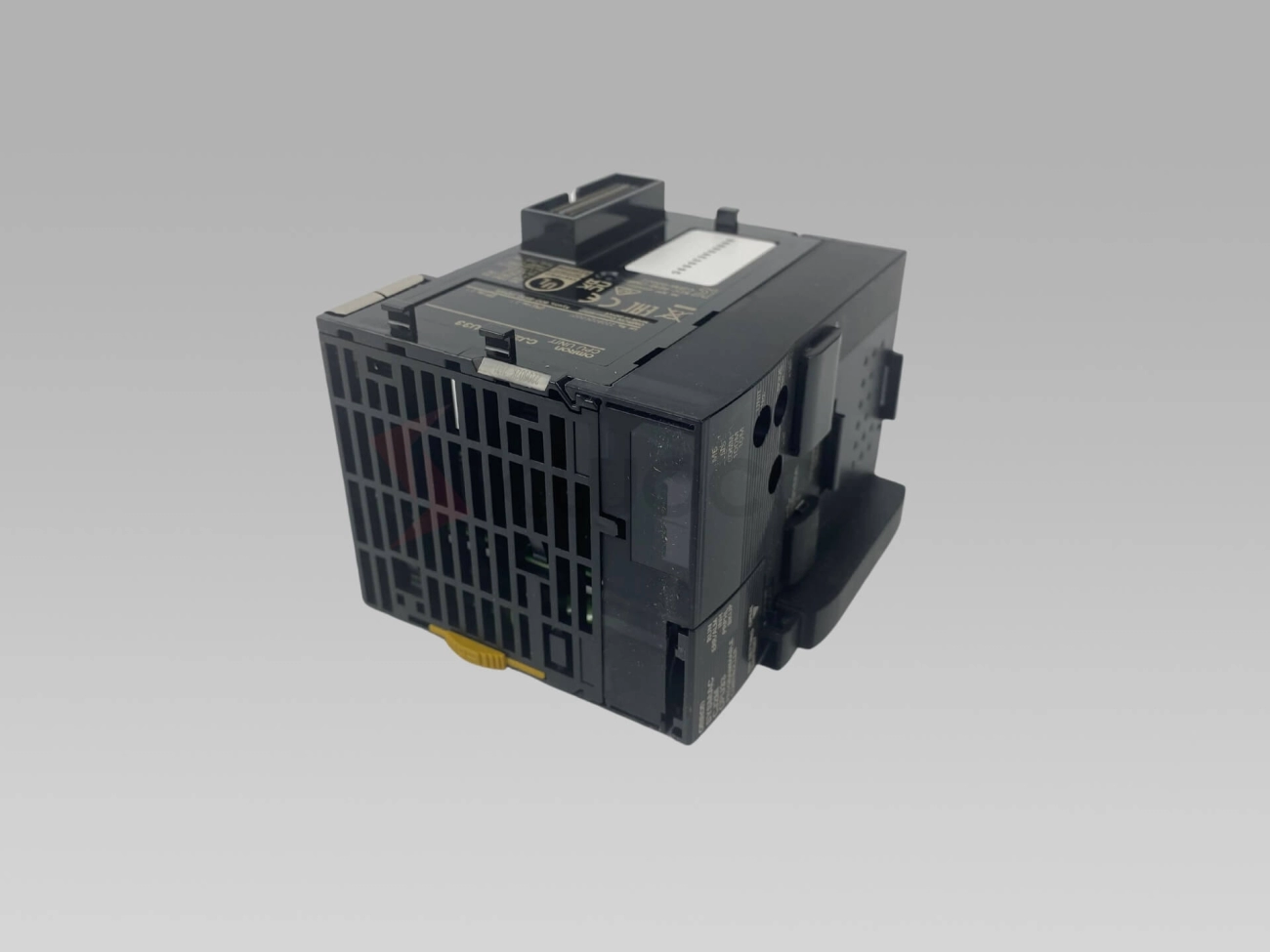
DUOMI offers solutions that streamline your transition to 24/7 CNC production. From CNC sensors to remote monitoring tools, their technology helps you achieve lights-out reliability and safety. For example, industrial PLC modules can integrate your CNC data, making remote management seamless.
Getting your shop ready for lights-out in 2026 isn’t just about equipment — it’s about creating a strategic plan with the right tools and support. DUOMI can be a key partner in making your dark factory a reality.


 by
by