Основные различия ПЛК и ЧРП: понимание ролей перед интеграцией
При работе с промышленной автоматикой, очень важно понять основные различия между ПЛК и ЧРП перед интеграцией их в вашу систему.
Основы ПЛК
А Программируемый логический контроллер (ПЛК) по сути, это мозг процесса автоматизации. Он обрабатывает:
- Входы и выходы: Чтение сигналов от датчиков и управляющих устройств, таких как двигатели., клапаны, и приводы.
- Программирование лестничной логики: Простой и эффективный способ создания последовательностей управления и процессов принятия решений..
- Оркестровка процессов: Управление сложными задачами, время, и взаимосвязь между несколькими компонентами автоматизации.
ПЛК ориентированы на принятие решений и контроль рабочего процесса промышленного оборудования..
Основы частотно-регулируемого привода
А Частотно-регулируемый привод (ЧРП) контролирует питание двигателя, регулируя:
- Модуляция частоты и напряжения: Изменение этих параметров регулирует скорость и крутящий момент двигателя..
- Оптимизация энергопотребления: Запускает двигатели более эффективно, снижение энергопотребления.
- Встроенная защита: Защита от перегрузки по току, перегрев, и другие неисправности двигателя.
VFD специализируются на подаче нужной мощности на двигатели., обеспечение точного контроля скорости и крутящего момента.
Ключевые контрасты
| Особенность |
ПЛК |
ЧРП |
| Главная роль |
Логика и управление процессами |
Контроль скорости и крутящего момента двигателя |
| Входы/выходы |
Цифровые и аналоговые вводы-выводы от датчиков |
Входная мощность двигателя, входы управляющих сигналов |
| Программирование |
Лестничная логика или структурированный текст |
Настройка параметров, мало логических функций |
| Функция |
Принятие решений, время, секвенирование |
Доставка электроэнергии, изменение скорости |
| Варианты использования |
Полный контроль процесса |
Оборудование с приводом от двигателя, требующее регулирования скорости |
| Автономный или комбинированный |
Может запускать сложные системы независимо |
Часто комбинируется с ПЛК для полного контроля. |
И ПЛК, и ЧРП могут работать по отдельности., но их интеграция приносит лучшее из обоих миров — плавное принятие решений с интеллектуальным управлением двигателем.
Помните об этой разнице при планировании настройки автоматизации для максимизации эффективности и надежности. Хочу увидеть подробное сравнение? Прокрутите вниз, чтобы увидеть удобную таблицу с разбивкой функций., входы, результаты, и стили программирования.
Преимущества объединения ЧРП и ПЛК в промышленных системах
Совместное использование частотно-регулируемого привода и ПЛК может серьезно повысить производительность вашей промышленной системы.. Вот почему:
Повышение эффективности
ЧРП позволяют осуществлять динамическое управление скоростью двигателя., поэтому вы используете столько энергии, сколько необходимо.
Это снижает износ двигателя и затраты на электроэнергию., особенно при работе с переменными нагрузками.
ПЛК плавно управляют этими изменениями скорости с помощью точных команд., оптимизация всего процесса.
Повышенная надежность
ПЛК могут отслеживать состояние ЧРП в режиме реального времени., выявление неисправностей до того, как они приведут к простою.
Удаленный мониторинг позволяет следить за состоянием системы из любого места..
С несколькими VFD, ПЛК обеспечивают аварийное переключение и резервирование, обеспечивая бесперебойную работу операций..
Масштабируемость и экономия средств
Сочетание модульных ПЛК с преобразователями частоты сокращает сложность проводки и время установки..
Совместимое оборудование известных брендов часто поддерживает настройки Plug-and-Play., упрощение обслуживания.
Расширять вашу систему проще, поскольку оба устройства хорошо интегрируются с распространенными промышленными протоколами, такими как Modbus RTU и Ethernet IP..
Тизер тематического исследования
Одна из модернизаций производственной линии, над которой мы работали, значительно сократила время простоев за счет интеграции управления ЧРП и ПЛК, что привело к более плавной работе двигателя и более быстрому реагированию на неисправности.. Подобная модернизация системы — разумный шаг, если ваша линия должна работать экономичнее и эффективнее..
Путем сочетания регулирования скорости двигателя с ЧРП и автоматизации ПЛК., ты становишься умнее, более надежная установка, которая экономит энергию и повышает производительность.
Пошаговое руководство по подключению частотно-регулируемого привода и управлению им с помощью ПЛК
Подготовка и оценка
Прежде чем начать, уделите время оценке потребностей вашей системы:
- Характеристики двигателя: Напряжение, текущий, лошадиные силы, и введите (индукция переменного тока, сервопривод, и т. д.)
- Протоколы связи: Проверьте, поддерживают ли ваш ПЛК и ЧРП Modbus RTU., IP-адрес Ethernet, Профинет, или простой проводной ввод-вывод
- Совместимость: Убедитесь, что выходы вашего ПЛК соответствуют входам ЧРП., и проверьте все необходимые типы сигналов (аналоговое напряжение, цифровые импульсы)
- Заземление и безопасность: Запланируйте правильное заземление, чтобы уменьшить электрические помехи и обеспечить безопасность оператора.
Метод 1 Аппаратное управление вводом-выводом
Это самый простой способ подключения ЧРП к ПЛК с использованием дискретных входов и выходов.:
- Использовать цифровые терминалы на ПЛК для основных команд, таких как начинать, останавливаться, и направление
- Используйте аналоговый выход из ПЛК (0-10В или 4–20 мА) для задание скорости
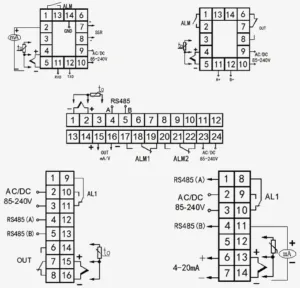
- Подключите выходы ПЛК непосредственно к клеммам управления ЧРП в соответствии с руководством ЧРП.
- Держите проводку короткой и экранированной, чтобы уменьшить помехи.
- Правильно заземлите систему во избежание электрических неисправностей
Пример диаграммы
Простая схема покажет:
- Цифровые выходы ПЛК, подключенные к клеммам ЧРП для запуска/останова и направления.
- Аналоговый выход ПЛК, подключенный к входу управления скоростью ЧРП
- Общая основа между ПЛК и ЧРП
Метод 2 Протоколы цифровой связи
Для более продвинутого контроля и мониторинга, подключаться через протоколы связи, такие как Модбус РТУ, ASCII-серийный номер, IP-адрес Ethernet, или Профинет:
- Настройка физических соединений: RS485 для Modbus RTU или кабели Ethernet для соединений TCP/IP
- Карта регистров и команд: Используйте руководство VFD для определения адресов регистров, контролирующих частоту., статус, и неисправности
- Реализация релейной логики ПЛК: Напишите фрагменты кода для отправки команд, прочитать отзыв, корректировать параметры в режиме реального времени
- Преимущества:
- Контроль и мониторинг в режиме реального времени
- Возможность работы в сети с несколькими устройствами
- Уменьшенная сложность проводки
- Советы по устранению неполадок:
- Проверьте скорость передачи данных и настройки четности
- Проверьте правильный идентификатор подчиненного устройства и командные кадры.
- Используйте диагностические инструменты для мониторинга пакетных данных
Метод 3 Расширенные возможности интеграции с HMI
Добавление ЧМИ (Человеко-машинный интерфейс) улучшает визуализацию и контроль:
- Подключите HMI к ПЛК или напрямую к VFD, если поддерживается.
- Отображение скорости двигателя, текущий, недостатки, и информация о времени выполнения на удобных экранах
- Используйте прилагаемое программное обеспечение для упрощения настройки. (многие преобразователи частоты предлагают специальные шаблоны HMI.)
- Рассмотрите интегрированные решения VFD-PLC для компактных насосных или конвейерных систем.
- Для миграции или обновлений, планируйте поэтапные замены, чтобы избежать простоев
Выполнение этих шагов поможет обеспечить бесперебойную совместную работу преобразователя частоты и ПЛК., обеспечение точного контроля скорости двигателя и повышение эффективности и надежности вашей системы.
Основы программирования. Настройка логики ПЛК для операций с ЧРП.
При программировании ПЛК для управления ЧРП, Цель состоит в том, чтобы убедиться, что двигатель работает плавно., безопасно, и эффективно. Вот на что вам нужно обратить внимание:
Базовая лестничная логика для управления ЧРП
- Последовательности запуска/останова: Создайте простую логику цепочек для запуска и остановки двигателя с помощью кнопок или цифровых входов.. Благодаря этому управление становится интуитивно понятным и отзывчивым..
- Контроль направления: Включите команды вперед и назад, если вашему двигателю необходимо изменить направление..
- Контуры регулирования скорости: Используйте контуры ПИД в лестничной логике для автоматической регулировки скорости двигателя на основе переменных процесса., как давление или поток.
Настройка параметров с помощью записи ПЛК
- Рампы ускорения и замедления: Запрограммируйте постепенное изменение скорости, чтобы предотвратить механическое напряжение и продлить срок службы двигателя.. Этими темпами можно управлять путем записи параметров из ПЛК в ЧРП..
- Пределы крутящего момента: Установите и отрегулируйте пределы крутящего момента с помощью ПЛК для защиты двигателя в условиях высокой нагрузки..
- Эталоны скорости: Отправляйте точные команды частоты через аналоговые или цифровые выходы для точной настройки управления скоростью двигателя..
Защитные блокировки в коде
- Аварийные остановки: Встроенная логика аварийного останова, которая немедленно отключает питание или дает команду ЧРП на безопасную остановку двигателя..
- Защита от перегрузки по току: Программные процедуры обработки ошибок, которые контролируют уровни тока и вызывают сигналы тревоги или контролируемые отключения в случае превышения предельных значений..
- Обнаружение неисправности и сброс: Включите релейную логику для обнаружения неисправностей ЧРП и позвольте операторам быстро выполнить сброс или устранить неполадки..
Инструменты
- Программное моделирование: Используйте среды программирования ПЛК, которые имитируют релейную логику перед развертыванием.. Моделирование помогает выявить ошибки на ранней стадии и оптимизировать последовательность управления двигателем..
- Инструменты управления параметрами: Многие ЧРП поставляются с программным обеспечением для настройки, которое работает вместе с программным обеспечением для программирования ПЛК, что упрощает настройку параметров и устранение неполадок..
Сосредоточив внимание на этих основах программирования, вы обеспечиваете надежный и эффективный интерфейс между вашим ПЛК и ЧРП., адаптированный к реальным промышленным требованиям.
Реальные приложения и практические примеры
Когда дело доходит до реального использования, Интеграция частотно-регулируемого привода и ПЛК проявляется в нескольких промышленных условиях по всей территории США.. В системах отопления, вентиляции и кондиционирования воздуха и насосных системах, использование частотно-регулируемого привода для регулирования скорости двигателя помогает контролировать переменный расход., резкое повышение энергоэффективности в коммерческих зданиях. Это не только сокращает счета за электроэнергию, но и продлевает срок службы оборудования за счет снижения износа..
В производстве, особенно на конвейерных линиях, ПЛК управляют синхронизированными системами с несколькими двигателями, а ЧРП обеспечивают плавное регулирование скорости.. Вместе, они оптимизируют пропускную способность и сокращают время простоя. Один клиент недавно модернизировал свою сборочную линию, интегрировав ЧРП с ПЛК., сокращение времени простоя за счет 30% и повышение общей эффективности за счет 25%. Показатели «до» и «после» ясно показывают более плавный старт, меньше механических напряжений, и лучшая экономия энергии.
На технологическом фронте, Промышленный Интернет вещей (IIoT) возможность подключения стимулирует новые тенденции. Удаленный мониторинг в сочетании с профилактическим обслуживанием позволяет предприятиям выявлять потенциальные проблемы до того, как они приведут к сбоям., экономия времени и денег. Этот разумный подход хорошо сочетается с системами с частотно-регулируемым приводом., сделать операции более надежными и простыми в управлении.
Итог: Будь то энергоэффективные здания или налаженное промышленное производство, сочетание частотно-регулируемого привода и ПЛК обеспечивает надежность, экономичные решения по автоматизации, адаптированные для США. предприятия.
Устранение распространенных проблем интеграции ЧРП и ПЛК
При работе с системами ЧРП и ПЛК, обычно возникают несколько распространенных проблем. Вот краткое руководство, которое поможет вам быстро обнаружить и исправить их.:
Электрические неисправности
- Падение напряжения: Это может привести к отключению или нестабильному поведению ЧРП.. Убедитесь, что силовые кабели имеют правильный размер и соединения прочны..
- электромагнитные помехи: Электрический шум может нарушить сигналы между ПЛК и ЧРП.. Используйте экранированные кабели и отделите линии электропитания от проводов связи.. Добавление сетевых фильтров или фильтров гармоник также может уменьшить помехи..
Сбои в общении
- Потеря пакетов и тайм-ауты: Если вы используете такие протоколы, как Modbus RTU или Ethernet/IP, проверь свою проводку, скорость передачи данных, и согласующие резисторы. Плохая настройка сети часто приводит к потере или задержке команд..
- Диагностический контрольный список:
- Проверьте настройки протокола на обоих устройствах.
- Проверьте физические соединения на наличие повреждений.
- Проверьте связь с помощью простых команд чтения/записи.
- Используйте диагностические инструменты или программное обеспечение для мониторинга трафика.
Ловушки производительности
- Перегрев: ЧРП могут перегреться, если вентиляция заблокирована или температура окружающей среды слишком высока.. Обеспечьте надлежащее охлаждение и регулярно очищайте корпуса от пыли..
- Неточный контроль скорости.: Проверьте настройки параметров, таких как контуры ПИД и сигналы обратной связи.. Неисправности датчиков или ослабление проводки часто вызывают проблемы со скоростью..
Таблица анализа первопричин
| Проблема |
Общая причина |
Быстрое решение |
| ЧРП неожиданно срабатывает |
Падение напряжения, перегрузка |
Проверьте источник питания, размер двигателя |
| Ошибка связи |
Неправильная скорость передачи данных, проводка |
Проверьте настройки, заменить кабели |
| Медленная двигательная реакция |
Неправильная настройка ПИД-регулятора. |
Точная настройка параметров |
| Отображаются коды неисправностей |
Неисправности проводки, ЭМИ |
Перемонтировать, добавить фильтры |
Для чаевых
Имейте под рукой удобные программные инструменты и руководства от поставщиков ЧРП и ПЛК для быстрой диагностики.. Присоединение к форумам или группам поддержки производителей также может ускорить устранение неполадок..
Выполнив эти шаги, вы сведете к минимуму время простоя и обеспечите бесперебойную работу вашего преобразователя частоты и ПЛК в любой промышленной установке..
Лучшие практики оптимизации и подготовки к будущему
Чтобы получить максимальную отдачу от вашего ЧРП и ПЛК настраивать, начать с энергоаудит. Регулярный мониторинг энергопотребления и рентабельности инвестиций помогает определить, где вы можете сэкономить деньги и повысить эффективность.. Использовать интегрированная аналитика инструменты на вашей платформе ПЛК или ЧРП для сбора данных в реальном времени, чтобы вы могли быстро принимать более разумные решения.
Планируйте масштабируемость выбирая модульные конструкции. Такой подход упрощает проводку и позволяет легко добавлять или заменять компоненты по мере роста вашей системы.. Не упускайте из виду кибербезопасность— сетевые установки с удаленным доступом нуждаются в надежной защите, чтобы избежать дорогостоящих простоев или нарушений.
Обеспечьте бесперебойную работу вашей системы с помощью рутины обслуживание как обновления прошивки, калибровка параметров, и проверка соединений. Если вы всегда будете в курсе этих шагов, это поможет избежать неожиданных сбоев и обеспечит оптимизацию всего процесса..
Если вы готовы обновить, рассмотреть возможность изучения Комплекты ПЛК с ЧРП. Практические испытания позволят вам убедиться, насколько простой может быть интеграция., экономия времени при установке и обслуживании, гарантируя при этом надежность, энергоэффективное управление двигателем для вашего промышленного применения.


 к
к