Как управлять трехфазным двигателем с помощью ПЛК и ЧРП
Внедрение автоматизированного управления промышленными двигателями требует тщательного планирования и исполнения.. В этом подробном руководстве, мы пройдемся по построению Система трехфазного двигателя с управлением от ПЛК и ЧРП для двунаправленной работы.
Обзор проекта
Этот проект промышленной автоматизации позволяет:
- Плавная последовательность запуска/остановки двигателя
- Безопасное изменение направления
- Защитные блокировки
- Программируемые функции синхронизации
Все благодаря объединенной силе программируемые логические контроллеры (ПЛК) и частотно-регулируемые приводы (ЧРП).

Базовое введение в Power System
Необходимые компоненты
Чтобы построить эту систему, вам понадобится:
Компоненты управления
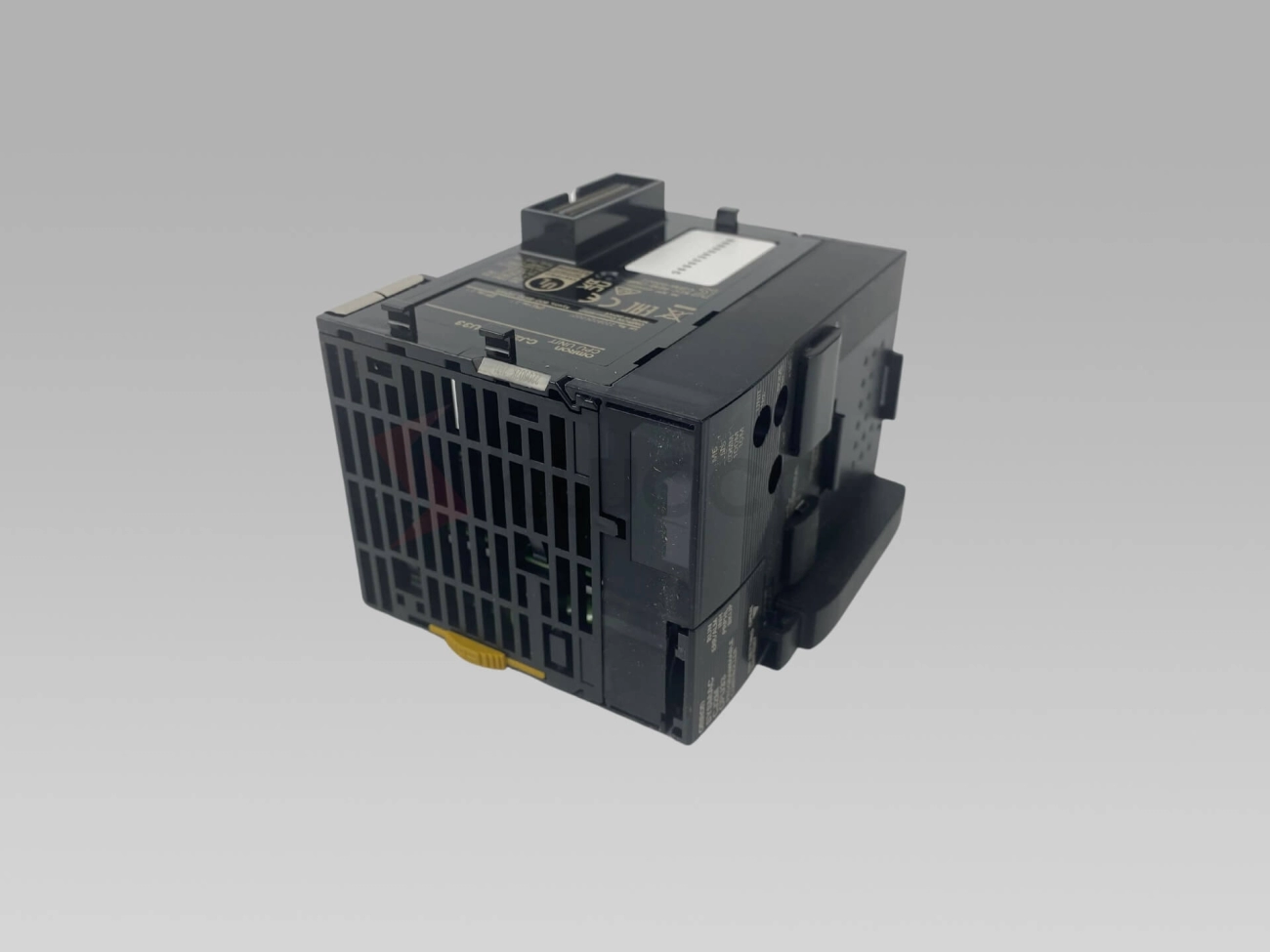
- Блок ПЛК (Сименс, Аллен-Брэдли, и т. д.)
- ЧРП (2.2кВт-5,5 кВт типично)
- Реле управления (24Катушка постоянного тока)
- Силовые контакторы
Силовые компоненты
- Трехфазный двигатель (соответствует рейтингу VFD)
- Автоматические выключатели (главный и филиал)
- Кнопки аварийной остановки
- Селекторные переключатели
Основы проводки
- Кабели управления (экранированный для сигналов ЧРП)
- Силовые кабели (правильный калибр)
- Клеммные колодки
- Монтаж на DIN-рейку
Проектирование системы & Электропроводка
Архитектура схемы управления
Интеллектуальная магистральная сеть включает в себя:
- Ввод оператора → Цифровые входы ПЛК
- Логическая обработка ПЛК → Выходы на реле
- Контакты реле → Клеммы управления ЧРП
- Силовая ступень ЧРП → Приводной двигатель
Критические функции безопасности
- Электрическая изоляция между ПЛК и силовыми цепями
- Физические блокировки на контакторах
- Аварийная остановка жестко подключено к включению VFD
- Защита от перегрузки на всех этапах
Основы программирования ПЛК
Логика управления обрабатывает:
Двигательные команды
NETWORK 1: Forward Run
IF "ForwardPB" AND NOT "ReversePB" THEN
   "ForwardCmd" := TRUE;
END_IF;
Защитная логика
- Блокировка направления: Предотвращает одновременное движение вперед/назад
- Таймер задержки запуска: 2-сек. предварительная зарядка ЧРП
- Безопасное время восстановления: 5-секундная блокировка после остановки
Конфигурация ЧРП
Настройки основных параметров:
|
Параметр |
Параметр |
Цель |
|
P0.01 |
1 |
Терминальное управление |
|
P0.03 |
5Гц |
Стартовая частота |
|
P0.04 |
50Гц |
Базовая частота |
|
P1.04 |
3с |
Время ускорения |
Процедуры тестирования
Контрольный список проверки
- Проверьте правильность направления вращения двигателя.
- Подтвердите блокировку вперед/назад
- Проверка функции аварийной остановки
- Проверка защиты от перегрузки
- Проверьте условия срабатывания сигнализации
Общие советы по устранению неполадок
Двигатель не запускается
- Проверьте питание управления 24 В.
- Убедитесь, что выходы ПЛК включены.
- Проверьте светодиод команды запуска ЧРП.
Неожиданные изменения направления
- Проверьте последовательность проводки (УФ-В-В)
- Проверьте, нет ли перекрещивания проводов управления.
- Подтвердите логику блокировки в программе
Расширенные улучшения
Развивайте свой проект дальше с:
- Связь Modbus RTU между ПЛК-ЧРП
- Аналоговое управление скоростью через вход 0–10 В
- ПИД-регулирование для управления процессом
- Интеграция ЧМИ для визуализации оператора
Заключительные мысли
Это решение для управления двигателем с ПЛК/ЧРП обеспечивает:
✅ Точная регулировка скорости
✅ Безопасная двунаправленная работа
✅ Программируемая автоматизация
✅ Промышленная надежность
Для сложных реализаций, всегда сверяйтесь с местными электротехническими нормами и рассмотрите возможность сотрудничества с сертифицированными специалистами по автоматизации..

 к
к