What is a Modular PLC System?
In the world of industrial automation, choosing the right architecture is critical. While Compact PLCs offer a fixed number of I/O points and a built-in power supply in a single unit—great for small, standalone machines—they lack the versatility required for complex manufacturing environments.
A Modular PLC System takes a different approach. Instead of a “one-size-fits-all” brick, it uses a rack-based architecture where you customize the hardware to fit the specific application. You aren’t stuck with fixed capabilities; you build the system you need, module by module.
The Core Benefits of Modular Architecture
Engineers and plant managers prefer modular systems like the GE Fanuc Series 90-30 or Siemens S7 for three primary reasons:
- Flexibility: You select the exact mix of Digital I/O, Analog I/O, and specialty modules required for your process. If your application changes, you simply swap or add a module rather than replacing the entire controller.
- Scalability: Start small and expand as production grows. Modular systems allow you to add expansion racks and interface modules to handle thousands of I/O points across multiple cabinets.
- Ease of Maintenance: If a single component fails—say, a digital output card—you only replace that specific card. This drastically reduces downtime and spare parts costs compared to replacing an entire compact unit.
The 7 Different Types of PLC Modules (Detailed Breakdown)
A modular PLC system functions like a specialized team where every player has a specific job. You don’t just buy a “PLC”; you build a system by selecting the right components to fit your specific industrial application. Here is the breakdown of the 7 essential hardware components you will find in a standard rack.
1. Rack or Chassis
Think of the Rack or Chassis as the backbone of the entire system. It is the physical hardware that holds all the other modules in place. More importantly, it contains the backplane, a printed circuit board that acts as the nervous system, distributing power and data signals between the plugged-in modules. Without the rack, the modules have no way to communicate with each other.
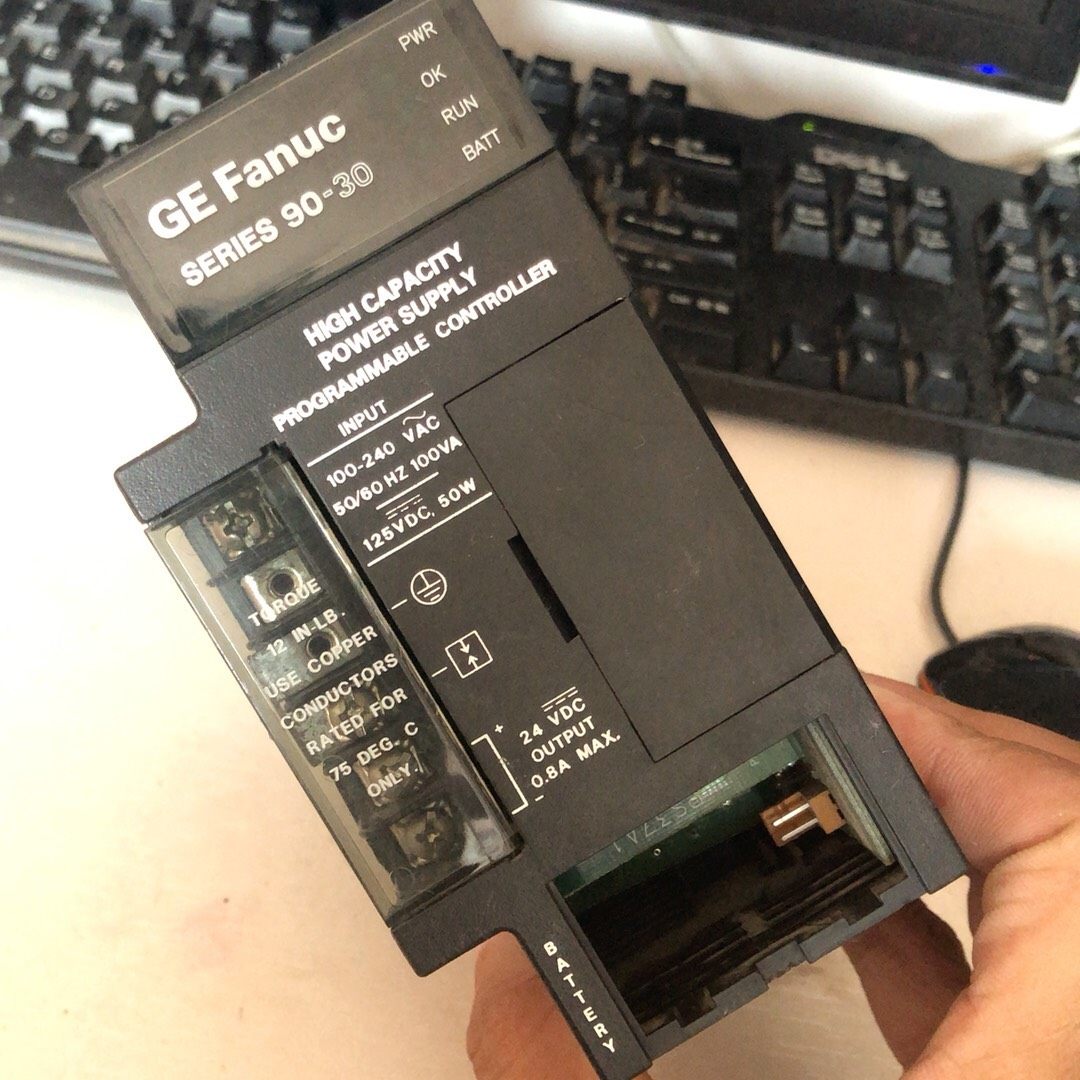
2. Power Supply (PS) Module
The Power Supply (PS) Module is the heartbeat of the PLC. In most US factories, the line voltage coming into the cabinet is usually 120V AC or 240V AC. However, the delicate electronics inside the CPU and I/O cards typically run on 24V DC or 5V DC. The PS module handles this conversion, ensuring a steady, regulated voltage flows to the rest of the system. If this module fails, the entire rack goes dark.

3. Central Processing Unit (CPU)
The Central Processing Unit (CPU) is the brain of the operation. It stores the logic program (ladder logic) and executes instructions based on the input data it receives. Whether you are running a legacy GE Series 90-30 or a modern SIMATIC S7-1200 basic controller, the CPU’s job is to make decisions and tell the output devices what to do.
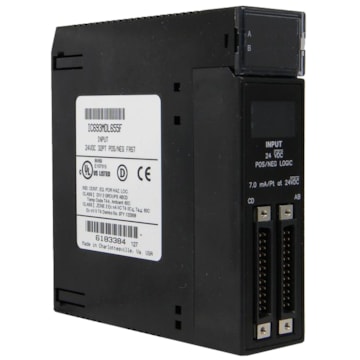
4. Interface Module (IM)
Sometimes, a single rack isn’t enough for complex machinery. The Interface Module (IM) allows you to connect multiple racks together. It acts as a bridge, transferring bus signals from the main rack (where the CPU sits) to expansion racks located in different cabinets or areas of the machine. This is critical for scalability.
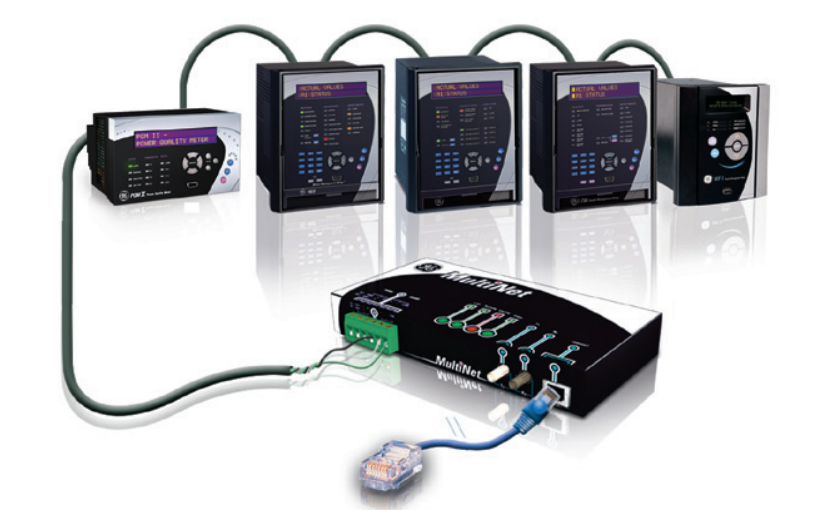
5. Signal Module (SM) / I/O Modules
These are the “hands and eyes” of the PLC. Signal Modules (SM), commonly called I/O modules, interface directly with field devices like sensors, switches, and motors. They generally fall into two categories:
- Digital I/O: Handles simple On/Off signals (e.g., push buttons, limit switches).
- Analog I/O: Handles variable data (e.g., temperature sensors, pressure gauges, flow meters).
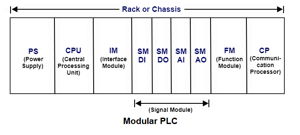
6. Function Modules (FM)
Function Modules (FM) are the specialists. Standard CPUs are great at logic, but they can get bogged down by complex, resource-heavy tasks. Function modules offload these specific duties. Common examples include:
- High-Speed Counter Modules: For counting rapid pulses from encoders.
- Positioning Modules: For precise motion control.
- PID Control Modules: For regulating temperature or pressure loops.
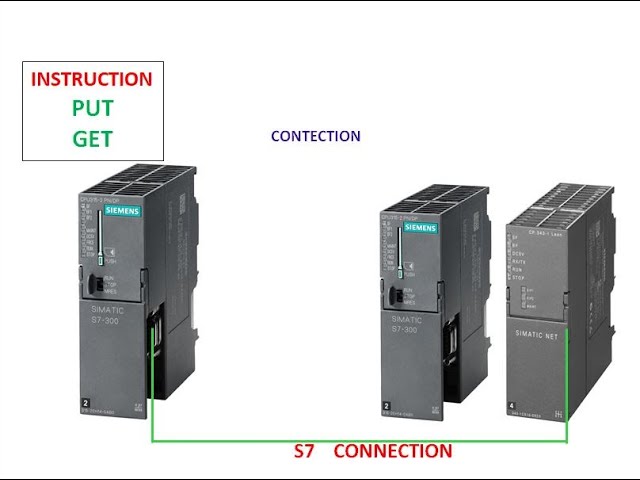
7. Communication Processor (CP)
The Communication Processor (CP) acts as the “voice” of the system. While the CPU handles internal logic, the CP module manages data exchange with external systems. This allows the PLC to talk to HMIs, SCADA systems, or other industrial automation controls over networks like Ethernet/IP, Profibus, or Modbus. This connectivity is essential for modern data logging and remote monitoring.
Spotlight on GE PLC Modules
When looking at the industrial automation landscape in the US, GE PLC Modules hold a legendary status on the factory floor. I see facilities every day that completely rely on the proven power of the GE Fanuc lineup for their most critical operations.
Legacy and Unmatched Reliability
In heavy-duty sectors like power generation and large-scale manufacturing, specific GE families are known for their bulletproof performance:
- GE Fanuc Series 90-30: The undisputed workhorse for mid-range control.
- Series 90-70: The heavy-hitter for massive, complex I/O counts.
- GE VersaMax Modules: The go-to for compact, scalable operations.
Why the Demand Stays High
It all comes down to robust hardware. Even though many of these components are now discontinued GE PLC parts, the original engineering was so solid that thousands of American factories still run entirely on these systems. Rather than spending millions to rip and replace an entire line, plant managers keep these workhorses running, seamlessly handling complex VFD and PLC integration to manage modern motor setups using these legacy brains.
The Sourcing Challenge
Because these control systems are still heavily utilized across the country, keeping them online presents a major hurdle for maintenance teams.
- Inventory Scarcity: Tracking down true ‘New in Box’ factory-sealed GE modules is increasingly difficult.
- The Refurbished Gamble: The secondary market is full of unchecked hardware. Finding high-quality, reliably tested refurbished units that won’t compromise production safety is the biggest sourcing challenge buyers face today.
How to Select and Source the Right GE PLC Module
Finding the exact replacement for a legacy system isn’t just about clicking “buy”; it’s about ensuring your production line doesn’t go down again next week. When sourcing GE PLC Modules, specifically for aging systems like the Series 90-30 or VersaMax, precision is everything. Here is how we recommend navigating the market to ensure you get the right hardware.
Compatibility Check: Match Part Numbers and Firmware
In industrial automation, “close enough” is dangerous. The most critical step is verifying the exact alphanumeric code on the faceplate or side label of your module. A single digit difference often indicates a different voltage rating, I/O capacity, or communication protocol.
Beyond the hardware part number, pay attention to firmware versions. Newer modules might not communicate correctly with an older CPU or backplane without a firmware update, which can be risky on a running system. Always verify that the replacement unit, such as a GE Fanuc IC693MDL645G circuit board, matches the revision level required by your current configuration.
New vs. Refurbished: Weighing the Options
Because many GE Fanuc lines are discontinued, you will often face a choice between “New Surplus” and “Refurbished” stock.
- New Surplus: These are unused parts often sitting in original packaging. They offer the longest lifespan and typically come with our 2-year warranty. They are the safest bet but come at a premium price point.
- Refurbished: These are used parts that have been cleaned, repaired, and reset. They are a cost-effective solution for budget-conscious maintenance and are often the only option for very old systems. We back our used products with a solid 3-month warranty to give you peace of mind.
The Importance of Professional Testing
Sourcing automation parts from general marketplaces (like eBay) is a massive risk to production safety. A module might look clean on the outside but have blown capacitors or corrupted memory on the inside. Installing an untested module can damage your rack’s backplane or fry connected sensors.
At DUOMI, we don’t just ship boxes; we verify functionality. We utilize over 10 different types of professional testing equipment to ensure every GE PLC module—whether a power supply or a complex CPU—passes rigorous functional tests before it leaves our facility. This eliminates the “dead on arrival” risk and ensures the part is ready to run the moment you install it.
Why Trust DUOMI for Your GE PLC Needs?
When your production line is down due to a faulty GE module, you don’t have time for guesswork. You need a partner who understands the urgency of industrial automation. At DUOMI, we have spent over 15 years cultivating a supply chain designed to minimize your downtime and maximize reliability. Here is why thousands of facilities rely on us for their GE PLC modules and automation spares.
Unmatched Inventory Strength
We don’t just list part numbers; we stock them. Our warehouse holds a massive 10,000+ spot inventory, giving you immediate access to critical components.
- Hard-to-Find Parts: We specialize in scarce, obsolete, and discontinued automation parts. If you need a legacy GE Fanuc Series 90-30 card or a specific GE VersaMax unit, we likely have it ready to ship.
- Global Sourcing: Beyond our immediate stock, we have access to over 300,000 products, ranging from GE components to high-quality Siemens automation components.
Rigorous Testing Protocols
Buying refurbished or used parts shouldn’t be a gamble. We eliminate the risk through strict quality control.
- Professional Equipment: We utilize over 10 sets of professional testing equipment to verify every module.
- Functional Verification: Whether it is a CPU, I/O module, or Power Supply, we test its actual function before delivery. We ensure the part communicates, processes logic, and handles power exactly as the OEM intended.
Speed and Warranty Protection
We know that every minute of downtime costs you money. Our logistics and warranty policies are built to give you peace of mind.
- Fast Delivery: We offer 48-hour expedited shipping and maintain a logistics network capable of reaching over 100 countries within 7 days.
- Solid Warranty: We stand firmly behind our products. You get a 2-year warranty on new products and a comprehensive 3-month warranty on used products.
24/7 Expert Support
We aren’t just box movers; we are your technical partners. Our professional team is available 24/7 to provide quotes, verify compatibility, and offer technical support. We are always there for you, ensuring you get the right industrial automation spare parts to get your machines back up and running.
Frequently Asked Questions (FAQs)
What are the main components of a GE Fanuc PLC?
A standard GE Fanuc PLC system, such as the popular Series 90-30 or 90-70, relies on a modular architecture designed for industrial durability. The core setup always includes a baseplate (rack) that acts as the backbone, a Power Supply Module to convert line voltage, and a Central Processing Unit (CPU) that holds the logic. Beyond these essentials, the system is customized with various I/O Modules (Input/Output) to interface with field devices and Communication Modules to talk to HMIs or SCADA systems.
Can I replace a discontinued GE module with a newer version?
This is a tricky situation. While newer GE PLC modules or migration kits exist (often moving toward the Emerson PACSystems RX3i), direct compatibility isn’t guaranteed without system re-configuration or re-wiring. In most maintenance scenarios, the safest and fastest route to restore production is replacing the failed unit with an exact part number match. Since many of these lines are discontinued, sourcing a “New Surplus” or “Refurbished” exact match from a specialized supplier like us is often the only way to avoid a costly system overhaul.
How does DUOMI ensure the quality of used GE PLC modules?
We know that buying used or refurbished parts requires trust. That’s why we don’t just “clean and ship.” Every used GE PLC module that enters our inventory goes through a rigorous quality control process:
- Visual Inspection: We check for physical damage, corrosion, or blown capacitors.
- Functional Testing: We mount the module on a dedicated test bench to simulate real-world operating conditions.
- Load Testing: We verify the module can handle its rated electrical load without overheating.
- Warranty: We back our used parts with a 3-month warranty and our new parts with a 2-year warranty, so you can install them with total confidence.


 by
by