What Is a Digital Twin for CNC Machines?
A digital twin for CNC machines is more than just a sensor dashboard. It’s a living, virtual replica of your actual machine that runs in real time. Unlike basic monitoring tools that show data points, a CNC digital twin creates a continuous, dynamic model of your equipment’s condition and performance.
How a Digital Twin Differs from a Simple Sensor Dashboard
- Sensor dashboard: Displays raw data like temperature or vibration readings. It’s useful but limited—mainly for troubleshooting.
- Digital twin: Uses real-time data to build a virtual replica that mirrors every movement and condition of your CNC machine 24/7. It predicts issues before they happen, not just reports them after.
How Real-Time Data Powers a CNC Digital Twin
By integrating data from sensors measuring vibration, temperature, spindle load, coolant flow, and axis alignment, the digital twin provides a comprehensive, real-time mirror of your CNC. This continuous flow of data enables:
- Immediate anomaly detection
- Predictive maintenance insights
- Better decision-making for shop-floor operations
Key Components of a CNC Digital Twin
- Physical asset: The actual CNC machine on your shop floor.
- Digital model: A virtual replica built from CAD data and live sensor inputs.
- AI-driven analytics layer: Machine learning algorithms analyze data, detect patterns, and generate predictive alerts.
Why CNC-Specific Digital Twins Outperform Generic IoT Tools
Generic IoT platforms can collect data, but they often lack the industry-specific intelligence needed for CNC machines. A CNC digital twin:
- Is tailored to machine-specific behaviors and failure modes
- Provides precise predictive maintenance alerts
- Integrates seamlessly with CNC controls like Fanuc, Siemens, or Haas
- Delivers actionable insights that help reduce downtime by up to 30%
In short, a CNC digital twin is a powerful tool designed to optimize your machine health, cut downtime, and boost productivity—far beyond what standard IoT solutions can offer.
Why Downtime Remains the #1 Killer in CNC Shops
Downtime is still the biggest challenge for CNC shops, and it can hit hard on productivity and profits. Common causes include tool breakage, bearing wear, coolant flow issues, and unexpected stops. For example, tool breakage alone can account for up to 25% of shop-floor downtime, while bearing wear and coolant problems each contribute around 15%. These issues often happen suddenly, forcing shops to halt production and scramble to fix the problem.
The real cost of just 30% downtime is often underestimated. It’s not just lost revenue — it also means extra labor, rushed jobs, and increased material waste. When machines sit idle, every minute adds up, making it harder to meet delivery deadlines and increasing overall costs.
Traditional reactive maintenance, where shops wait for a machine to break before fixing it, actually makes downtime worse. Instead of preventing failures, it often results in longer repair times and more unexpected stops. This approach keeps shops stuck in a cycle of firefighting, which is why many are now turning to predictive maintenance solutions like digital twins for CNC machines. These tools help catch issues early, reducing downtime and keeping production flowing smoothly.
The Proven 30% Downtime Reduction Mechanism
Digital twins for CNC machines use a clear, step-by-step process to catch issues before they turn into costly failures. These virtual replicas continuously analyze real-time data from vibration sensors, thermal monitoring, and other sources to spot anomalies early. For example, predictive algorithms can identify signs of bearing wear, spindle imbalance, or coolant degradation long before they cause a machine breakdown. This proactive approach allows shops to schedule maintenance at the right time, reducing unexpected downtime.
Many CNC shops that have adopted digital twin technology report hitting or even surpassing the 30% downtime reduction goal. They’ve seen fewer emergency stops, less tool breakage, and smoother operations overall. The data backs this up — not just claiming “it works,” but showing exactly how predictive analytics detect issues, like subtle vibration pattern changes indicating bearing failure or coolant flow irregularities hinting at system problems.
By leveraging AI-driven CNC analytics, companies gain a powerful tool to keep their machines running efficiently. This isn’t just about fixing problems faster; it’s about preventing them entirely.
Building Your CNC Digital Twin: A Practical Step-by-Step Guide
Creating a CNC digital twin isn’t complicated if you follow a clear plan. Here’s a simple, step-by-step approach to get your CNC machine connected to a digital twin that can cut downtime by 30% or more.
Phase 1: Choose the Right Sensors and Hardware
Start with the basics—select low-cost vibration sensors and thermal monitoring kits recommended by DUOMI. These sensors capture critical data like spindle vibrations, bearing wear, and temperature changes, which are essential for accurate condition monitoring. Proper sensor placement is key to avoid false alarms and ensure reliable data.
Phase 2: Integrate with Your Existing CNC Controls
Next, connect your sensors to your CNC control system—whether it’s Fanuc, Siemens, Haas, or others. This step involves integrating sensor data with your existing CNC control software, enabling real-time monitoring without disrupting your current operations. Seamless integration is crucial for building an effective CNC digital twin and leveraging predictive maintenance.
Phase 3: Create the Virtual Model
Convert your CAD data into a live virtual replica of your CNC machine. This virtual model mirrors every movement, axis, and component, providing a real-time digital twin. This virtual replica serves as the foundation for applying AI-driven analytics and predictive algorithms, helping you spot issues before they cause downtime.
Phase 4: Set Up AI Thresholds and Alert Rules
With your virtual model in place, configure AI thresholds and set alert rules for key parameters—like spindle load, vibration levels, or coolant flow. These predictive analytics can flag potential failures such as bearing wear or coolant degradation early, reducing unexpected stops and boosting overall equipment effectiveness (OEE).
Phase 5: Go-Live Checklist and First-Week Validation
Finally, prepare a go-live checklist to ensure everything works smoothly. During the first week, validate sensor data accuracy, test alert triggers, and fine-tune your thresholds. This step helps confirm your digital twin is functioning correctly and ready to deliver measurable downtime reductions.
By following these steps, your CNC digital twin can become a powerful tool for proactive maintenance and production optimization. Want to see how it works in real-world shops? Check out DUOMI’s solutions for seamless CNC sensor integration and predictive analytics.
How to Implement a Digital Twin for CNC Machines in 90 Days
Getting started with a CNC digital twin doesn’t have to be complicated or time-consuming. With a clear plan, you can have a fully functioning system in just three months. Here’s a simple, step-by-step guide:
Month 1: Assessment and Sensor Rollout on Your Top 3 Machines
First, identify your most critical CNC machines—those that impact your production the most. Conduct an initial assessment to understand their current condition and pain points. Then, install essential sensors like vibration sensors and thermal monitoring kits—these are key for reliable data collection. For affordability and quality, DUOMI recommends low-cost vibration and thermal kits that integrate smoothly with your existing CNC controls, such as Fanuc or Siemens. This step sets the foundation for real-time CNC condition monitoring and predictive maintenance.
Month 2: Data Connection and Model Training
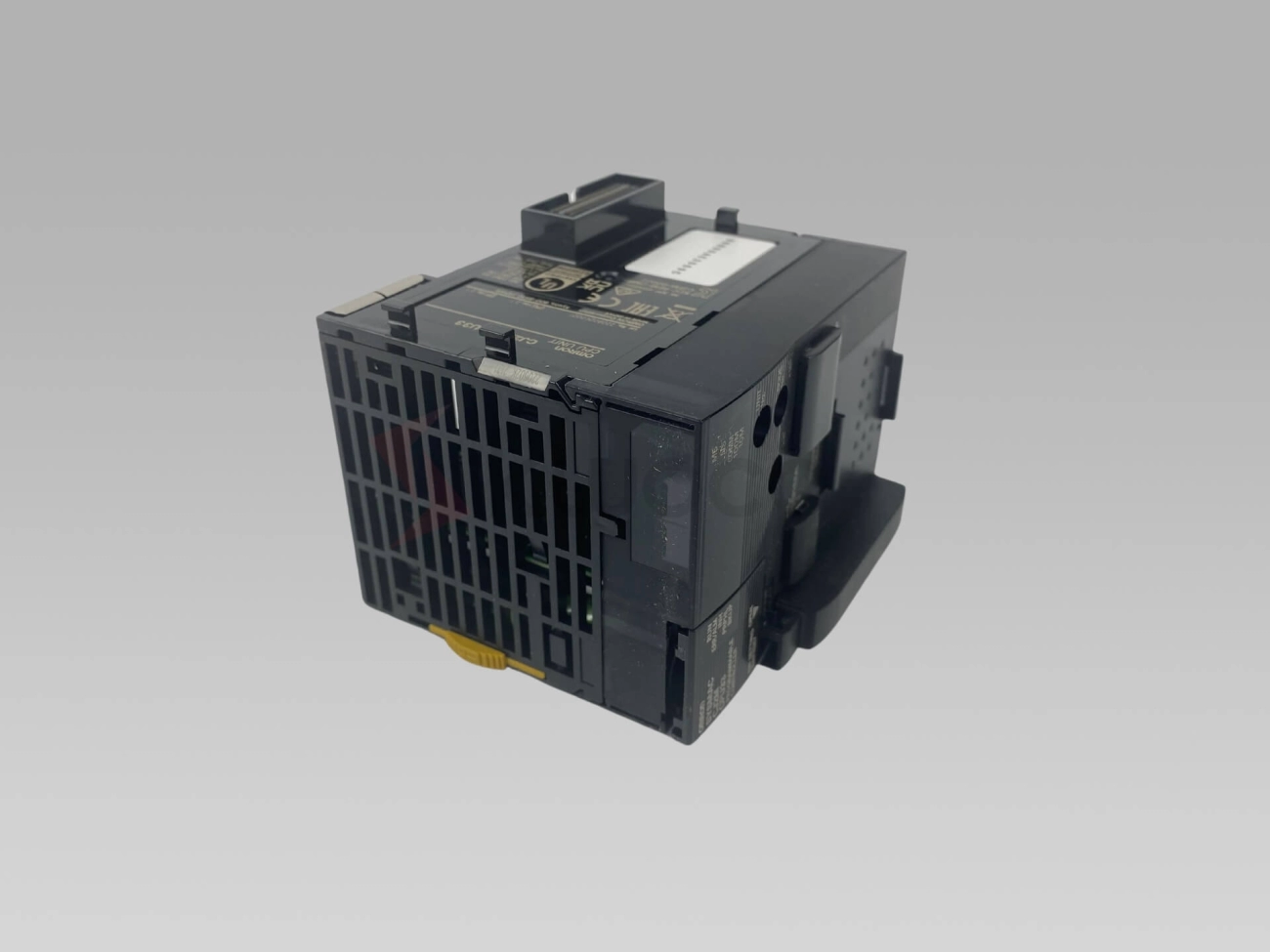
Next, connect your sensors to your CNC control systems and start gathering data. This involves integrating with your existing CNC controls, like the CPU-1214C Controller, and ensuring seamless communication. Once data flows smoothly, create your virtual replica of each machine—transforming CAD models into live digital twins. During this phase, you’ll also train machine learning algorithms to recognize normal operation patterns and detect early signs of issues like spindle imbalance or coolant degradation.
Month 3: Full Deployment and Initial Downtime Tracking
Finally, deploy the digital twin across your shop floor. Set up AI-driven thresholds and alert rules so you get notified of potential problems before they cause downtime. Run your digital twin in parallel with your existing maintenance routines to validate its accuracy. This helps you track downtime reduction and optimize your maintenance schedule. With this setup, you’re now ready to start reducing CNC downtime by 30% or more.
Budget Breakdown: Cost of a Single-Machine Setup in 2026
A complete digital twin setup for one CNC machine typically involves sensor hardware, integration, and software licenses. Expect costs to vary based on your shop size and existing infrastructure, but generally, a single-machine setup could range from $5,000 to $15,000. Investing in quality sensors and reliable integration tools—such as Drive-CLIQ Interface Modules—ensures long-term ROI through improved uptime and reduced maintenance costs.
Implementing a digital twin in just 90 days is achievable with a clear plan. It’s a smart move toward smarter, more predictive CNC operations that cut downtime and boost productivity.
Real ROI: Quantifying the Savings
Investing in a CNC digital twin with DUOMI offers clear, measurable benefits. When comparing the cost of a basic CNC digital twin to traditional maintenance, the savings become obvious. A typical setup can significantly reduce unexpected downtime, cut parts replacement costs, and minimize labor expenses related to reactive repairs.
Using a dedicated annual savings calculator, many shops find they can recoup their investment within 8–12 months. This quick payback period is driven by the 30%+ reductions in CNC downtime that DUOMI customers are already experiencing. These improvements translate into increased production efficiency, fewer machine failures, and lower maintenance costs.
By implementing a CNC digital twin, shops are not just saving money—they’re optimizing their entire operation. The data-driven approach helps predict failures before they happen, ensuring smoother workflows and a healthier bottom line.
7 Common Mistakes That Kill the 30% Benefit
One of the biggest pitfalls in implementing a digital twin for CNC machines is making simple mistakes that sabotage your downtime reduction goals. For example, poor sensor placement can lead to inaccurate data, which skews your predictive maintenance efforts. Ignoring data quality or relying solely on a flashy dashboard without understanding the insights it offers can also undermine your results.
Treating the digital twin like just a fancy monitoring tool instead of a true predictive analytics system is another common mistake. The goal isn’t just to see what’s happening but to proactively prevent failures before they occur.
To hit that 30% CNC downtime reduction target, you need to avoid these pitfalls:
- Place sensors correctly: Focus vibration sensors on critical points like bearings and spindles for accurate condition monitoring.
- Prioritize data quality: Regularly calibrate sensors and verify data integrity to ensure reliable predictions.
- Use the twin for predictive insights: Move beyond just visual dashboards—leverage AI-driven analytics to flag anomalies early.
- Set clear thresholds and alerts: Define specific rules for when maintenance should be scheduled to prevent unexpected stops.
- Train your team: Make sure operators and maintenance staff understand how to interpret digital twin alerts and act accordingly.
By avoiding these common mistakes, your shop can maximize the value of your CNC digital twin and truly cut downtime by 30%. For more on sensor integration best practices, check out CNC sensor integration.
DUOMI’s CNC Digital Twin Solutions
DUOMI’s platform is purpose-built for CNC shops, focusing on reducing downtime and boosting productivity. Unlike generic IoT tools, our CNC digital twin offers a tailored solution that fits the unique needs of manufacturing environments. It combines real-time data from vibration sensors, thermal monitoring, and other key inputs to create a live virtual replica of each machine, enabling smarter maintenance decisions.
Key features that deliver the 30% cut in downtime
- Predictive alerts: Our AI-driven CNC analytics detect issues like bearing failure or spindle imbalance before they cause costly failures, helping shops act proactively.
- Virtual simulation: The digital twin allows operators to run virtual tests and troubleshoot problems without stopping production, saving time and money.
- Seamless integration: DUOMI’s platform easily connects with popular CNC controls like Fanuc, Siemens, and Haas, making it simple to implement without major disruptions. For more on control integration, see Fanuc CNC machine controllers.
Why DUOMI stands out in 2026
Our CNC digital twin platform isn’t just about monitoring; it’s about transforming your entire shop floor into a smart factory. It leverages machine learning CNC monitoring and AI-driven analytics to optimize your CNC production, reduce downtime, and extend equipment lifespan. As Industry 4.0 continues to evolve, DUOMI’s solutions are designed to grow with your operation, ensuring you stay ahead of the curve.
Case Studies: Shops That Cut CNC Downtime by 30%
Here are three real-world examples of shops that successfully reduced their CNC downtime by at least 30%. While the companies remain anonymous, their stories highlight how different machine types and locations can benefit from implementing a CNC digital twin.
Each shop made specific changes—like installing vibration sensors, integrating predictive analytics, and refining maintenance routines—and tracked the results closely. They measured key metrics such as unplanned stops, tool breakage rates, and overall equipment effectiveness (OEE). By following a clear set of steps—setting up virtual replicas, tuning AI thresholds, and establishing alert rules—they achieved consistent improvements.
The lessons from these examples are straightforward and highly replicable. Whether you operate a CNC router, mill, or lathe, adopting a machine learning CNC monitoring approach with digital twins can help you cut downtime, improve productivity, and save costs. These case studies prove that with the right technology and process tweaks, hitting or exceeding the 30% downtime reduction target is well within reach.
Future-Proofing Your CNC Operations
Digital twins are a key part of Industry 4.0, helping CNC shops stay ahead by enabling smarter, more connected manufacturing. As technology advances, these virtual replicas of your CNC machines will become even more sophisticated, integrating machine learning CNC monitoring and predictive analytics to optimize performance.
Upgrading from a basic setup to a full factory twin means creating a comprehensive digital environment that mirrors your entire production line. This allows for real-time CNC condition monitoring, predictive maintenance, and seamless shop floor automation. Over the next 12 months, expect to see more shops adopting these advanced digital twin solutions to boost productivity and reduce downtime.
By investing now, you’re setting your CNC operations up for long-term success, ensuring they remain competitive and ready for Industry 4.0 innovations. Building a future-proof CNC digital twin is not just about current benefits — it’s about preparing for the smarter factories of tomorrow.


 by