Understanding CNC Parts: OEM, Refurbished, and Aftermarket
When it comes to maintaining or upgrading your CNC machine, choosing the right parts is crucial. You’ll often hear about OEM, refurbished, and aftermarket CNC parts. Each type has its own characteristics, advantages, and considerations. Let’s break down what these options are and how they compare to help you make an informed decision.
What Are OEM CNC Parts? Definition, Characteristics, and Advantages
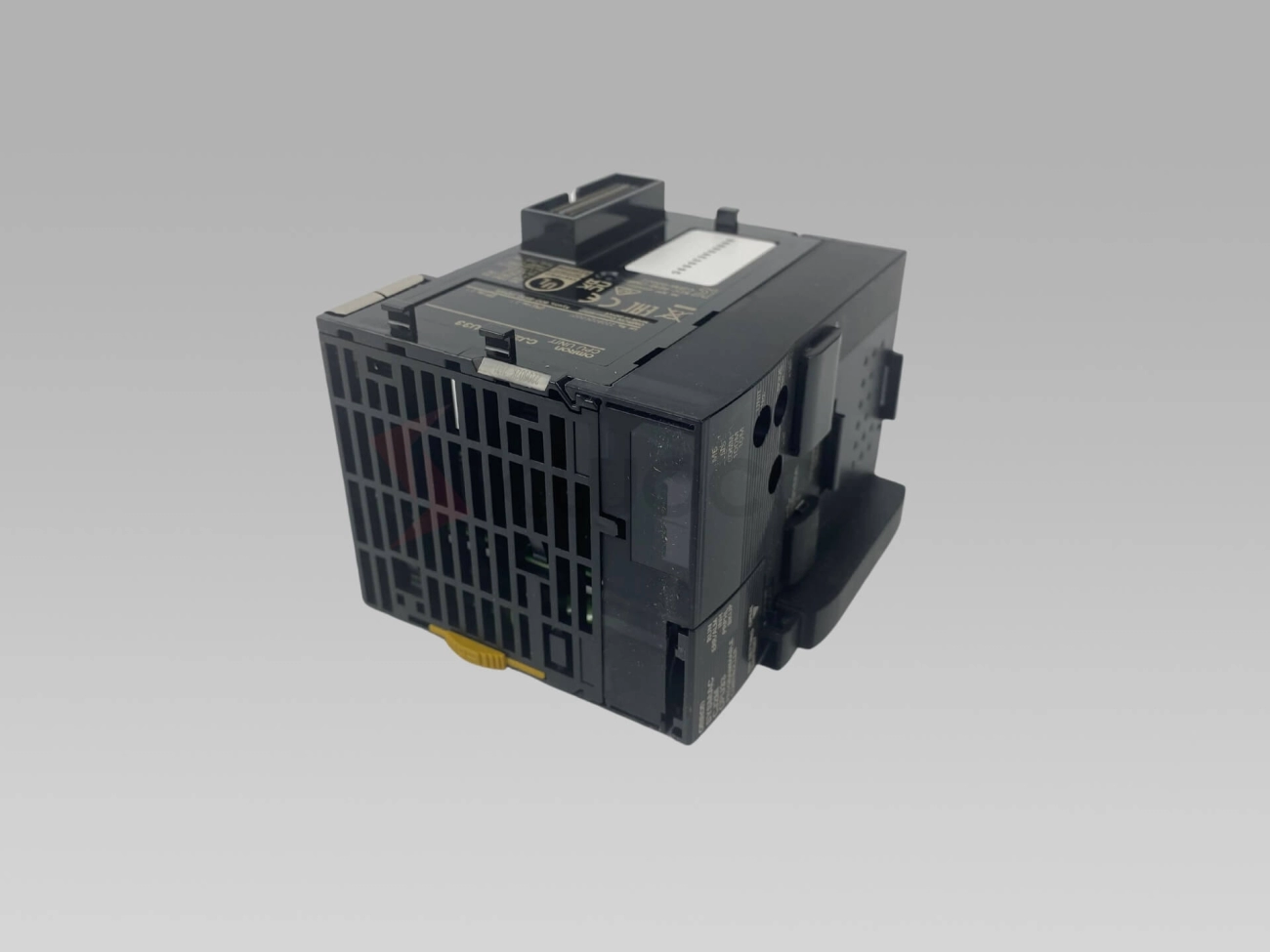
OEM CNC parts are original equipment manufacturer components. These are made by the same company that produced your CNC machine or its original parts. They’re designed specifically for your machine, ensuring perfect fit and optimal performance.
Key features of OEM CNC parts:
- High quality and reliability
- Perfect compatibility
- Backed by manufacturer support and warranty
- Designed for high-precision tasks
Advantages include:
- Consistent performance
- Reduced downtime due to fit issues
- Long-lasting durability
Many professionals prefer OEM parts for critical components or high-precision applications, as they guarantee the same quality as the original equipment.
What Are Refurbished CNC Parts? Definition, Quality Standards, and Usage Scenarios
Refurbished CNC parts are used components that have been cleaned, repaired, and tested to meet specific standards. They are often reconditioned by the original manufacturer or a certified refurbisher.
Quality standards for refurbished parts:
- Thorough testing and inspection
- Replacement of worn or damaged parts
- Certification for safety and performance
Typical usage scenarios:
- Cost-sensitive projects
- Older CNC machines needing replacement parts
- Non-critical components where performance demands are moderate
Pros:
- Cost-effective
- Eco-friendly, reducing waste
- Usually comes with some warranty
Cons:
- Quality can vary depending on the refurbisher
- May have a shorter lifespan than new OEM parts
Refurbished parts are a smart choice when you need reliable performance without the higher price of OEM components.
What Are Aftermarket CNC Parts? Definition, Variability in Quality, and Market Trends
Aftermarket CNC parts are produced by third-party manufacturers, not the original machine maker. They often aim to be compatible with many models, offering a more affordable alternative.
Variability in quality:
- Some are high-quality and reliable
- Others may be inconsistent in performance
- Quality depends on the manufacturer
Market trends:
- Growing popularity due to affordability
- Increasing innovation and product variety
- Some suppliers focus on budget-conscious customers
Pros:
- Lower cost
- Innovative designs and features
- Wide availability
Cons:
- Inconsistent quality and durability
- Potential compatibility issues
- Limited or no manufacturer support
Choosing aftermarket parts requires careful research to ensure you’re getting value and quality.
Key Factors in Choosing CNC Parts
When selecting CNC parts, consider these factors:
| Factor |
What to Look For |
Why It Matters |
| Cost & Budget |
Compare prices of OEM, refurbished, aftermarket |
Balance affordability with quality |
| Quality & Performance |
Reliability, precision, durability |
Critical for high-precision tasks |
| Compatibility |
Fit and function with your CNC machine |
Prevents operational issues |
| Support & Warranty |
Service, coverage, after-sales support |
Ensures peace of mind |
| Lead Time |
How quickly can you get the parts? |
Minimizes machine downtime |
Comparing Costs and Performance
| Type |
Price |
Performance |
Best For |
| OEM |
Highest |
Top-quality, perfect fit |
Critical, high-precision parts |
| Refurbished |
Moderate |
Reliable, with some variability |
Cost-effective replacements |
| Aftermarket |
Lowest |
Varies, innovative options |
Budget projects, older machines |
Pros and Cons
| Type |
Pros |
Cons |
| OEM |
Top quality, perfect fit, manufacturer support |
Higher cost |
| Refurbished |
Cost-effective, eco-friendly |
Quality varies, shorter lifespan |
| Aftermarket |
Affordable, innovative |
Inconsistent quality, potential compatibility issues |
Making the Right Choice
When to choose OEM:
- Critical components
- High-precision tasks
- Long-term reliability needed
When to consider refurbished:
- Cost-conscious projects
- Non-critical parts
- Older machines needing repairs
When to opt for aftermarket:
- Budget constraints
- Older or less demanding applications
- Seeking innovative features
Questions to ask before buying:
- Is the part compatible with my machine?
- What warranty or support is included?
- Is the supplier reputable?
Tips for Buying CNC Parts
- Research reputable suppliers like DUOMI
- Check reviews and certifications to verify quality
- Understand return policies and warranties before purchase
- Consult experts for personalized advice
How DUOMI Supports Your CNC Part Needs
DUOMI offers:
- Quality assurance on all parts
- Wide selection of OEM, refurbished, and aftermarket options
- Dedicated customer support to assist with your project
Final Tips
Choosing the right CNC parts depends on balancing cost, quality, and compatibility. For critical, high-precision tasks, OEM is usually the best choice. For budget or non-critical parts, refurbished or aftermarket options can be suitable. Always do your research and work with trusted suppliers like DUOMI to ensure you get reliable, high-quality parts.
Balancing cost, quality, and compatibility is key to optimizing your CNC machine’s performance. Whether you choose OEM, refurbished, or aftermarket parts, understanding their differences helps you make smarter decisions. For expert guidance and top-quality CNC parts, contact DUOMI today.


 by
by