Understanding IEC 61131-3 in 2026
IEC 61131-3 is the international standard that defines the programming languages used for programmable logic controllers (PLCs). It’s the backbone of how automation engineers develop, maintain, and upgrade control systems across many industries. As of 2026, IEC 61131-3 continues to be a critical reference, but it’s also evolving to meet modern needs.
Role of IEC 61131-3 in PLC Programming
This standard provides a common framework for PLC programming, ensuring that different hardware and software can work together smoothly. It helps engineers:
- Develop consistent control logic
- Share code across projects and vendors
- Maintain and upgrade systems more easily
Standardized PLC Programming Languages in IEC 61131-3
IEC 61131-3 defines five main programming languages:
- Ladder Diagram (LD)
- Function Block Diagram (FBD)
- Structured Text (ST)
- Instruction List (IL) – now deprecated
- Sequential Function Chart (SFC)
These languages serve different purposes, from simple relay logic to complex algorithms, giving engineers flexibility.
Why IEC 61131-3 Keeps Evolving with Industry Needs
The standard adapts to the rapid changes in industrial automation, especially with Industry 4.0, cybersecurity, and digitalization. As plants become smarter and more connected, IEC 61131-3 updates aim to:
- Improve interoperability
- Enhance security
- Support new automation architectures
- Simplify code management and modernization
In 2026, one of the most significant updates is the removal of Instruction List (IL), reflecting a shift toward more modern, readable programming methods. This evolution ensures that IEC 61131-3 remains relevant and practical for today’s automation challenges.
Instruction List (IL) in IEC 61131-3
What Instruction List (IL) Actually Is
Instruction List (IL) is a text-based programming language defined in the IEC 61131-3 standard. It resembles assembly language, using simple mnemonics and instructions to control PLC operations. IL is designed to be compact and efficient, allowing programmers to write low-level control logic with minimal code. This makes it ideal for tasks requiring fast execution and close hardware interaction.
Why IL Became Popular in Early PLC Programming
In the early days of PLC technology, IL gained popularity because of its straightforward, low-level approach. It allowed engineers to create precise control routines without the complexity of graphical languages. Its simplicity and speed made IL a go-to choice for tasks like motor control and timing functions, especially when hardware resources were limited.
Strengths of IL for Low‑Level PLC Control
IL’s main strengths include:
- Speed and Efficiency: Its close-to-hardware nature ensures fast execution, which is crucial for time-sensitive applications.
- Compact Code: IL programs tend to be small, saving memory on PLCs with limited resources.
- Precise Control: It offers detailed control over individual bits and registers, making it suitable for low-level operations.
- Familiarity for Low-Level Programmers: Programmers with a background in assembly or embedded systems find IL intuitive.
Main Limitations of Instruction List in Modern Plants
Despite its advantages, IL has significant limitations today:
- Lack of Readability: IL code can be hard to understand and maintain, especially for complex projects or teams with diverse skills.
- Limited Support for Modern Industry Needs: As automation evolves towards Industry 4.0, interoperability, and digitalization, IL’s low-level approach becomes a bottleneck.
- Security and Reliability Concerns: Low-level code is more prone to errors and harder to audit, raising concerns about cybersecurity and system stability.
- Decreasing Vendor Support: Many vendors are phasing out IL support in favor of more modern, user-friendly languages like Structured Text (ST) and Function Block Diagram (FBD).
As a result, the IEC 61131-3 standard is shifting away from Instruction List, emphasizing more readable and maintainable programming languages suited for today’s industrial automation landscape.
Why Instruction List Was Removed from IEC 61131-3 by 2026
The main reason behind removing Instruction List (IL) from IEC 61131-3 in 2026 is the industry’s shift toward more modern, readable programming languages. IL, being a low-level, text-based language, was once popular for its simplicity and speed in basic PLC control tasks. However, as automation systems become more complex, the need for clearer, more maintainable code has grown. Languages like Structured Text (ST) and Function Block Diagram (FBD) are now preferred because they are easier to understand and troubleshoot, especially in large-scale projects.
Training and skills also play a big role here. Many new engineers are more familiar with high-level, graphical languages, making IL less attractive for new hires. This creates a skills gap and makes it harder for companies to find qualified personnel for legacy IL code. Additionally, Industry 4.0 and digitalization are pushing for better interoperability and cybersecurity. Low-level IL code can be more vulnerable and harder to secure compared to modern, standardized languages.
Official updates from IEC 61131-3 reflect these changes. They have officially deprecated Instruction List, encouraging users to migrate to more modern languages. Industry experts and vendors agree that IL’s deprecation aligns with the future of automation, focusing on safety, security, and ease of use. Moving away from IL is part of a broader effort to modernize PLC programming and ensure long-term system reliability and flexibility.
Impact of Removing Instruction List on Automation in 2026
Removing Instruction List (IL) from IEC 61131-3 in 2026 will significantly affect how automation systems are managed and updated. For legacy PLC projects that rely heavily on IL, this change means they will need to adapt to modern programming languages like Structured Text (ST), Ladder Diagram (LD), or Function Block Diagram (FBD). These newer languages are more readable and easier to maintain, especially in complex industrial environments.
Staying on IL long-term poses risks, such as difficulty in troubleshooting, limited support from vendors, and challenges integrating with Industry 4.0 systems. Plus, IL’s low-level, text-based nature can make security and reliability concerns worse, especially in today’s cybersecurity landscape.
Moving away from IL isn’t just about avoiding risks—it also involves costs and effort. Upgrading old PLC hardware and rewriting programs can be resource-intensive, but it’s necessary for staying current with industry standards and digitalization pressures.
This shift also impacts engineer training and hiring. Future automation professionals will need skills in more modern IEC 61131-3 languages, which opens up opportunities to modernize PLC codebases and workflows. Companies that proactively update their systems will benefit from easier maintenance, better integration, and a more secure automation environment.
Alternatives to Instruction List in IEC 61131-3
As Instruction List (IL) gets phased out in the 2026 update of IEC 61131-3, it’s important to understand the alternatives available for PLC programming. These modern languages offer better readability, flexibility, and support for industry needs like Industry 4.0 and cybersecurity.
Using Structured Text (ST) Instead of Instruction List
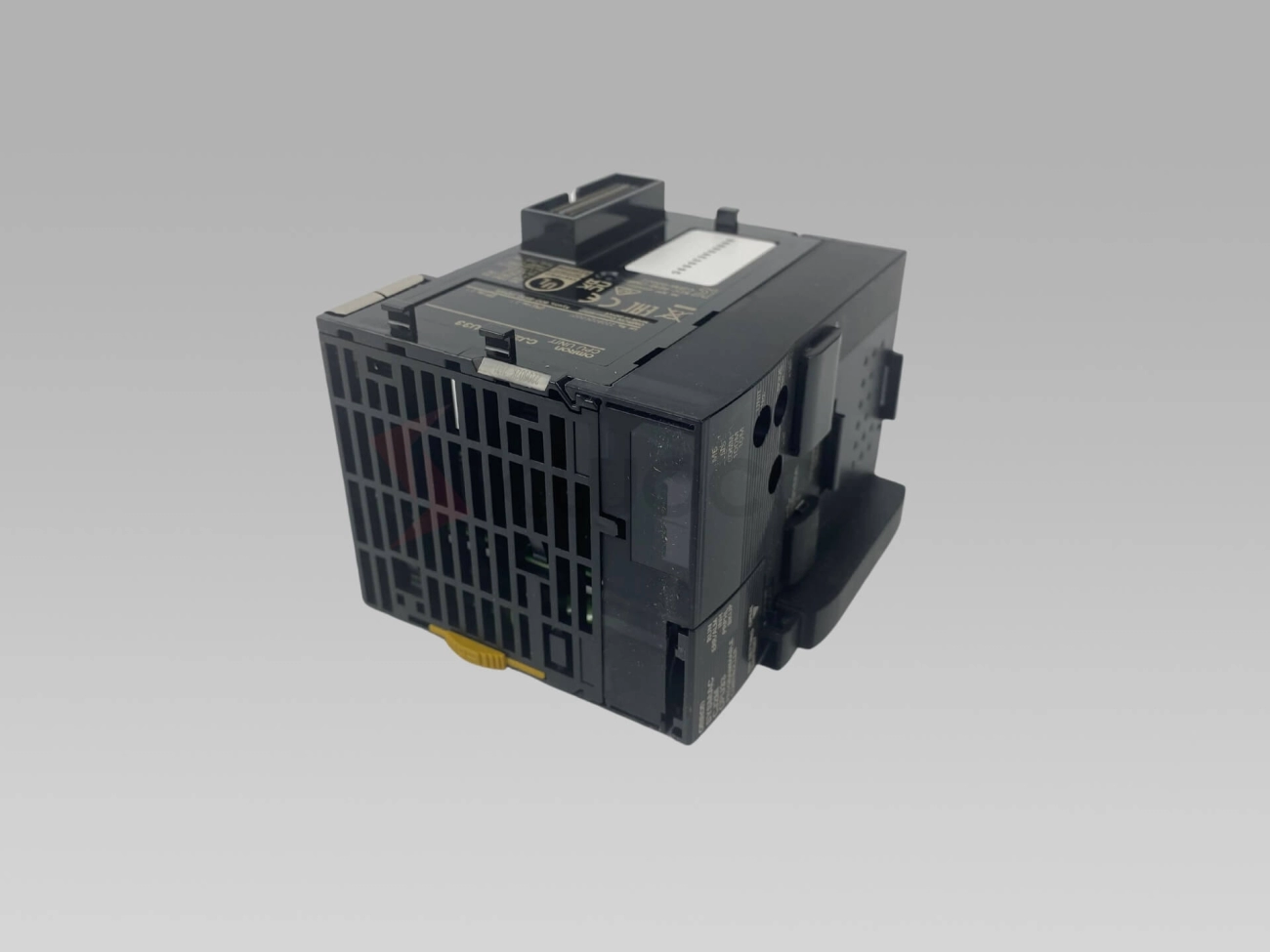
Structured Text (ST) is a high-level, text-based programming language that’s becoming the go-to replacement for IL. It’s similar to traditional programming languages like Pascal or C, making it easier for engineers to write complex logic clearly and efficiently. If you’re familiar with low-level control, ST allows you to implement detailed algorithms without the clutter of ladder diagrams. Plus, many vendors support ST, and it integrates well with modern automation systems. For example, you can find reliable industrial power modules that support ST-based control.
When Ladder Diagram (LD) Still Makes Sense
Ladder Diagram (LD) remains popular for simple, visual control logic, especially in legacy systems. Its graphical nature makes it easy for technicians to troubleshoot and maintain. If your plant relies heavily on relay-style logic or has operators familiar with ladder diagrams, continuing to use LD can be practical. It’s also useful for safety circuits or straightforward on/off controls where visual clarity is key.
Where Function Block Diagram (FBD) Fits Better Than IL
Function Block Diagram (FBD) excels in modular, reusable control logic. It’s ideal for complex automation tasks involving multiple interacting components. FBD makes it easier to visualize data flow between blocks, which is helpful in large or distributed systems. If your plant needs scalable, maintainable control code, FBD is a strong choice over IL.
How Sequential Function Chart (SFC) Replaces IL for Sequences
Sequential Function Chart (SFC) is designed for step-by-step process control, replacing IL in sequence-heavy applications. It simplifies managing complex sequences like batch processes or multi-stage manufacturing. SFC provides clear visualization of process steps, making it easier to troubleshoot and update.
Choosing the Right IEC 61131-3 Language for Your Plant
Picking the best language depends on your specific needs:
- Use Structured Text for complex algorithms and data processing.
- Keep Ladder Diagram for simple, visual controls and legacy support.
- Opt for Function Block Diagram when modularity and scalability matter.
- Choose Sequential Function Chart for process sequences and batch operations.
By understanding these options, you can modernize your PLC codebase efficiently and prepare for the industry shifts coming in 2026.
How to Migrate from Instruction List Before 2026
Migrating away from Instruction List (IL) before its removal in IEC 61131-3 in 2026 is crucial for keeping your automation systems up to date. Here’s a straightforward approach to make the transition smooth and effective:
-
Audit your existing IL programs and PLC hardware.
Start by reviewing all current IL code and hardware setups. This helps you understand what needs to be converted and identify any legacy systems that might require upgrades.
-
Prioritize which IL code needs to be converted first.
Focus on critical control processes or systems that are hard to maintain. This minimizes downtime and ensures safety during the migration.
-
Map IL logic into Structured Text (ST), Ladder Diagram (LD), Function Block Diagram (FBD), or Sequential Function Chart (SFC) step by step.
Choose the most suitable IEC 61131-3 language for each application. For example, use ST for complex algorithms or FBD for modular control logic.
-
Use tools, simulators, and testing for IL conversion.
Leverage PLC programming tools that support code migration and simulation. This reduces errors and verifies that the new code behaves as expected before deployment.
-
Document, refactor, and validate migrated PLC code.
Keep detailed records of the changes and thoroughly test the new code to ensure it matches the original functionality and meets safety standards.
-
Train your team on non-IL IEC 61131-3 languages.
Invest in upskilling your engineers on Structured Text, Ladder Diagram, and other supported languages to future-proof your automation skills.
-
Work with vendors and integrators during migration.
Partner with experienced automation vendors who can assist with tools, best practices, and support during the transition.
Moving away from Instruction List now not only aligns with IEC 61131-3 updates but also prepares your plant for Industry 4.0, improving interoperability and cybersecurity. For example, modern PLC programming languages like Structured Text and Function Block Diagram are more readable and easier to maintain, making your automation more reliable and future-proof.
Future of IEC 61131-3 and PLC Programming Beyond 2026
Looking ahead, the landscape of PLC programming is set to evolve significantly after the removal of Instruction List (IL) from IEC 61131-3. One of the biggest trends will be the increasing focus on cybersecurity. As industrial systems become more connected through Industry 4.0 and IIoT, protecting PLC code from cyber threats is more critical than ever. Modern IEC 61131-3 languages like Structured Text (ST) and Function Block Diagram (FBD) are better suited for implementing security features, making them the go-to choices for future-proof automation.
In addition, the shift toward Industry 4.0 means PLC programming will need to support greater interoperability and data exchange. This will likely push vendors to enhance their support for standardized, flexible languages and tools that integrate seamlessly with cloud platforms and enterprise systems. As a result, the future of IEC 61131-3 will be more about open standards and less about legacy languages like Instruction List.
To stay future-proof without Instruction List, engineers should focus on mastering more versatile IEC 61131-3 languages such as Structured Text and Function Block Diagram. These languages are not only easier to read and maintain but also better suited for complex automation tasks and digitalization efforts. Additionally, investing in training and modern migration tools will help companies adapt quickly as standards continue to evolve, ensuring their systems remain secure, efficient, and aligned with Industry 4.0 demands.


 by
by